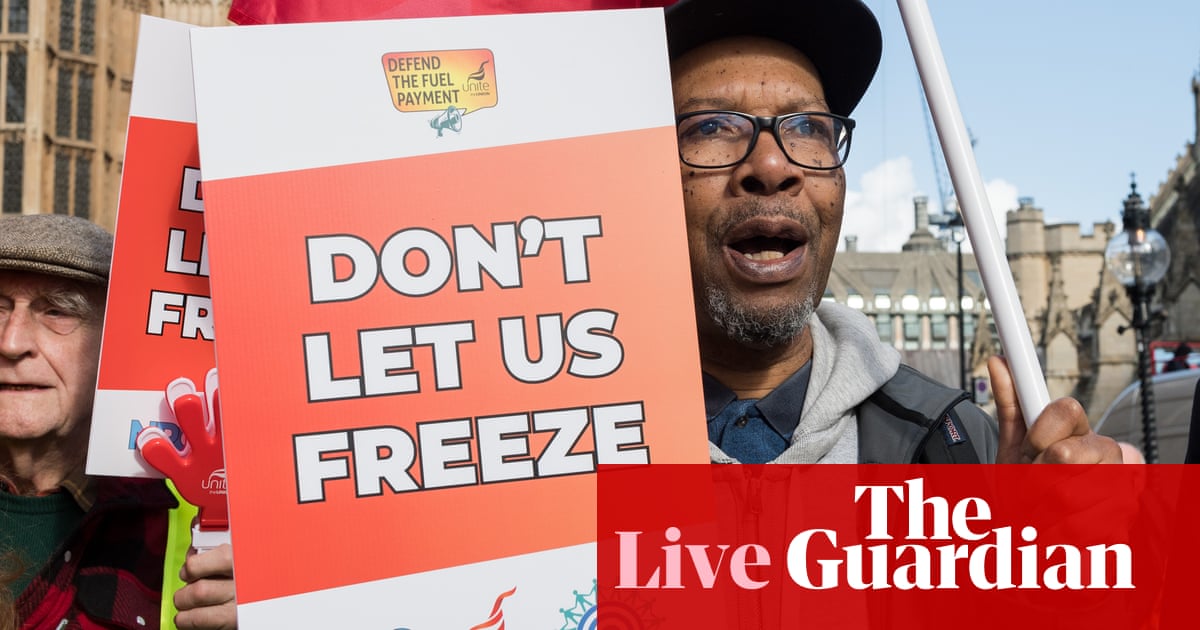
The UK government is facing scrutiny over its handling of winter fuel payments for pensioners, with Downing Street declining to confirm if previously announced reforms will be implemented in time for the upcoming winter. While the government has pledged to reverse cuts to the payments, officials stated that any changes must be affordable and funded, with final decisions to be made at a future fiscal event. Opposition parties, including Labour and the Greens, are pressing for further action, with Labour leader Keir Starmer announcing plans to review the eligibility threshold as the economy improves, while the Conservatives claim credit for the policy U-turn.
The UK government's U-turn on winter fuel payments for pensioners introduces fiscal uncertainty and underscores the reactive nature of current policymaking. Downing Street has confirmed an intention to reverse previous cuts but has deferred specifics on implementation timing and funding mechanisms to a "future fiscal event," emphasizing affordability. This delay and lack of immediate clarity, reflected in the provided "Uncertain" tone signal, create ambiguity regarding near-term government expenditure and its impact on public finances. The political pressure from various parties, including Labour's Keir Starmer linking changes to economic improvement and the Conservatives claiming influence, suggests that fiscal decisions may be increasingly swayed by political expediency and shifting voter sentiment, as seen in by-election dynamics. This policy reversal, despite a low direct "market_impact_score" (0.2), contributes to a narrative of potential fiscal loosening, as supported by Unison's call for revised fiscal rules to permit increased welfare spending. The absence of concrete financial commitments regarding the cost of this U-turn makes it challenging to quantify the precise fiscal impact, but the emphasis on "funded" solutions implies potential reallocations or future revenue-raising measures that will require scrutiny.
AI-powered research, real-time alerts, and portfolio analytics for institutional investors.
Overall Sentiment
Neutral
Sentiment Score
-0.10
