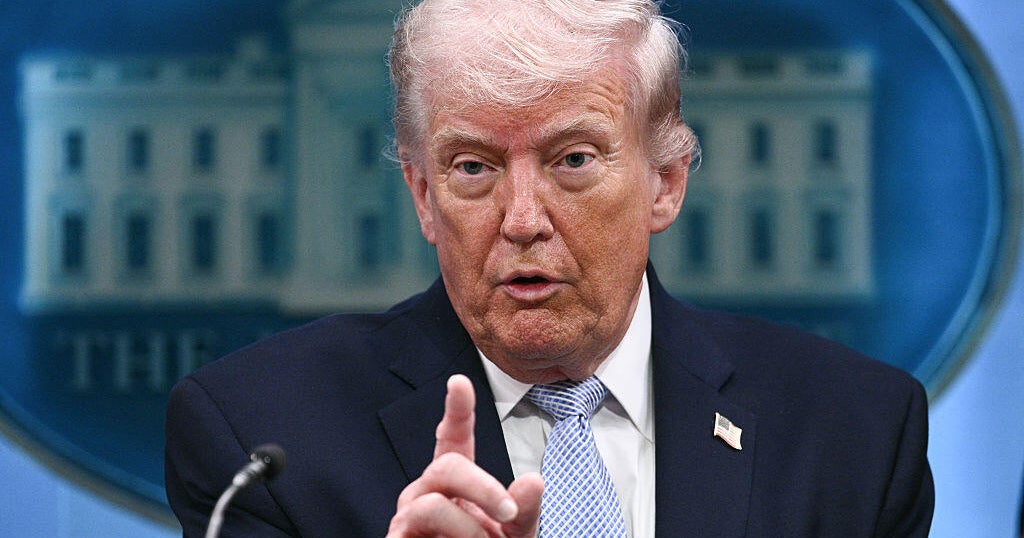
Key event: President Trump threatened to "eradicate a whole civilization" unless Iran reopened the Strait of Hormuz by an 8 p.m. deadline, then announced a conditional ceasefire if Iran agreed to a COMPLETE, IMMEDIATE, and SAFE opening of the strait. Political fallout: more than 70 Democrats in both chambers called for his removal via the 25th Amendment or impeachment while most congressional Republicans remained silent, with only a few (Moran, Murkowski, Kiley) expressing unease. Market implication: acute geopolitical risk to a critical oil chokepoint raises risk-off pressure on energy markets and broad volatility for portfolios sensitive to oil supply disruptions.
The episode materially repriced geopolitical tail risk in energy and shipping markets even before sustained kinetic escalation became likely. Short-duration risk premia (48–72h) are the largest channel: war-risk insurance for tankers and LNG carriers typically spikes 50–200% in that window, which, combined with rerouting around southern Africa (+7–12 days per voyage), can add an effective $1–3/bbl to delivered crude costs and $0.05–0.15/mmbtu to LNG when sustained for weeks.
Sector winners on a volatility shock are obvious (marine insurers, reinsurers, defense primes), but the more durable beneficiaries are high-margin US onshore producers with short-cycle response (3–12 months) and storage/marketing players that can arbitrage short-lived Brent–WTI dislocations. Conversely, commercial shipping, airlines, and trade-finance-dependent refiners absorb the first-order pain; margins compress quickly if freight stays elevated for more than a few weeks.
Politically driven uncertainty compresses risk appetite across credit and equities for weeks and can lift safe-haven assets; expect IG credit spreads to widen ~15–35bp in acute windows and HY to underperform by 150–300bp if markets price sustained sanctions or naval interdiction scenarios. The single biggest trade-off: a fleeting spike in oil/gas versus a multi-month fiscal/defense spending impulse — the former moves prices, the latter re-rates specific equities and budgets over quarters to years.
Watch two catalysts that will flip markets: rapid de-escalation (news-driven volatility unwinds in 24–72h, oil and freight snap back) versus a drawn-out tit-for-tat (risk premia become embedded, pushing multi-month oil forward curves higher and re-rating defense and energy-capex stories). Positioning should therefore be time-layered and explicitly hedged against fast mean-reversion.
AI-powered research, real-time alerts, and portfolio analytics for institutional investors.
Request DemoOverall Sentiment
strongly negative
Sentiment Score
-0.70
