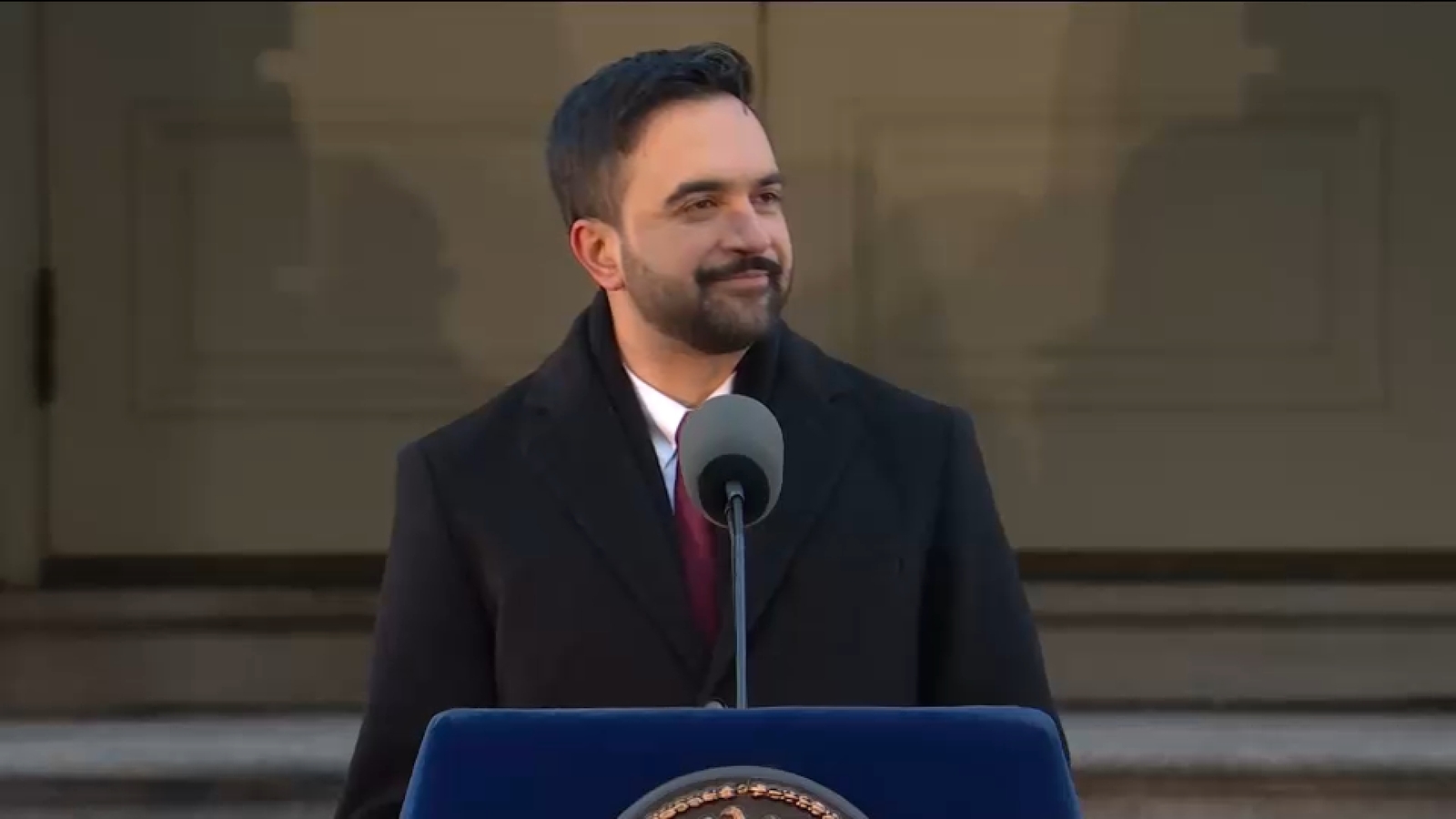
New York City's newly inaugurated mayor Zohran Mamdani signed five executive orders in his first days in office, revoking orders issued by former Mayor Eric Adams after his federal indictment, reducing the number of deputy mayors to five, and retaining the Mayor's Office to Combat Antisemitism. Three of the orders target housing: reviving a Mayor's Office to Protect Tenants and creating two task forces to accelerate housing development; the actions were announced at a rent-stabilized Brooklyn building owned by Pinnacle Realty, one of over 90 buildings in bankruptcy slated for auction. The moves signal a city administration likely to adopt a more interventionist stance toward landlords and distressed real-estate assets, a development relevant to investors with New York rental exposure or stakes in landlord/distressed-property portfolios.
Market structure: Mamdani’s early executive orders signal a durable tilt toward stronger tenant protections and enforcement in NYC—beneficiaries include tenant-advocacy legal shops and affordable-housing developers that capture subsidies, while private landlords and NYC-focused multifamily REITs face margin pressure. Expect downward pressure on same-store NOI growth in heavily rent‑stabilized portfolios (NYC exposure >20% of revenue) by ~100–300 bps over 6–18 months if enforcement rises and capital improvements are slowed.
Risk assessment: Tail risks include swift City Council legislation (low probability, high impact) that could cap rent increases or accelerate large-scale rent strikes, producing 20–40% valuation downside for leveraged local landlords; lawsuits and bankruptcy auctions (90+ buildings noted) create operational risk and fire-sale supply. Near-term (days–weeks) market moves likely muted; material credit and earnings impacts will crystallize over 3–18 months as task forces and enforcement actions produce guidelines and litigation outcomes.
Trade implications: Favor short exposure to NYC-concentrated landlords and long to less-regulated national landlords and select construction/affordable-housing contractors that win public projects. Use options to limit capital at risk: buy 3–6 month puts on NYC-heavy REITs if Council language appears; establish small long positions in contractors with municipal housing pipelines on 6–12 month view.
Contrarian angles: Consensus focuses on landlords’ downside but underestimates opportunity in distressed acquisitions—private equity/distressed debt buyers will gain from forced sales and auctions. If policy accelerates permitting and supply (task force aim), construction/materials names could outperform within 12–24 months even as incumbent landlords underperform, creating a multi‑quarter rotation trade.
AI-powered research, real-time alerts, and portfolio analytics for institutional investors.
Request DemoOverall Sentiment
neutral
Sentiment Score
-0.05
