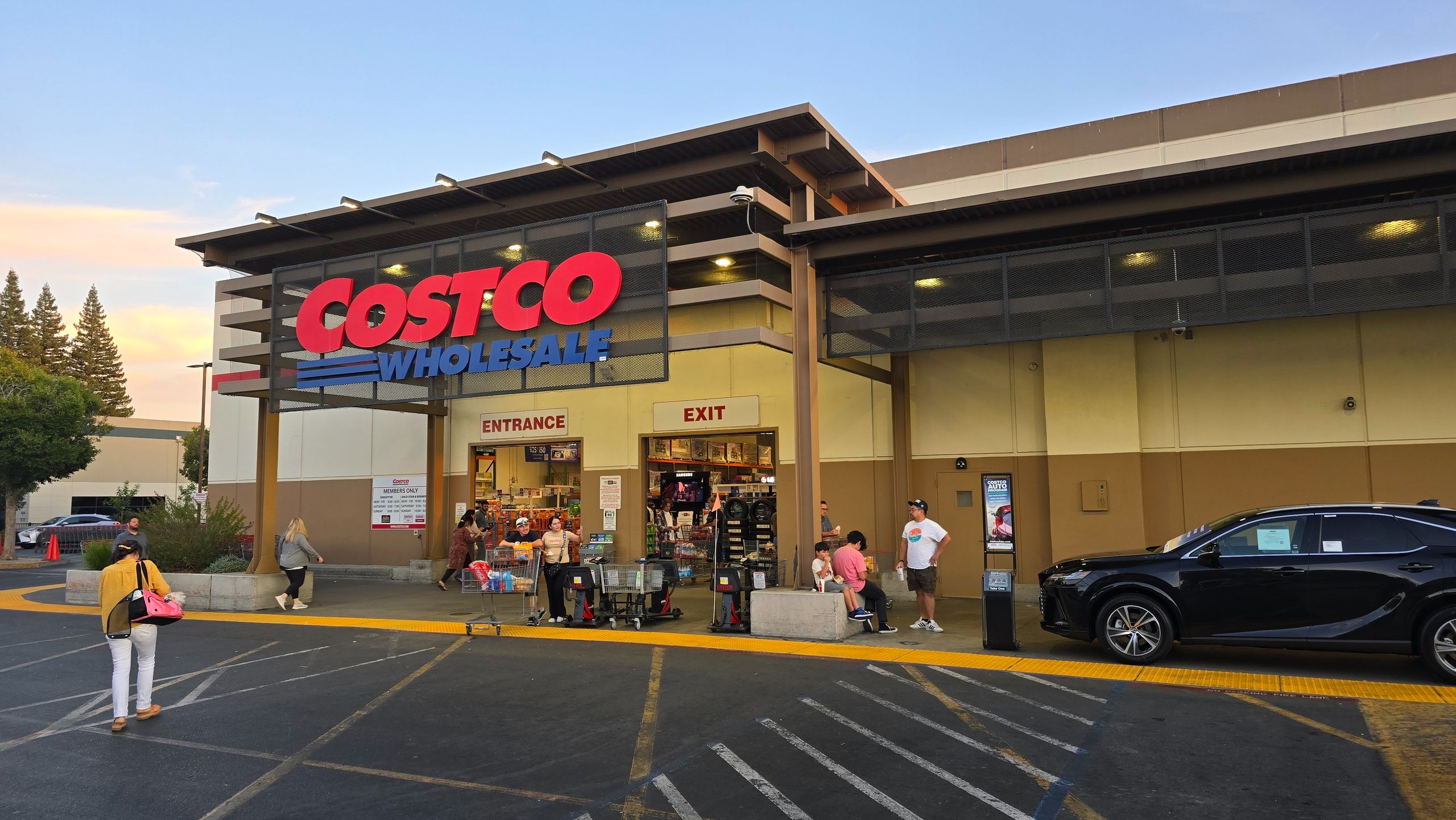
Costco has reportedly removed RAM (and in some cases GPUs) from display desktop PCs across stores after customers shared photos suggesting demo units no longer contain memory, a response attributed to widespread theft amid an ongoing memory shortage. The anecdotal measure highlights elevated retail security concerns and persistent supply pressures for PC components, with manufacturers' price increases and high demand making discrete parts a target for theft and complicating inventory management for big-box retailers.
Market structure: The anecdote signals a tight retail-side market for DRAM/GPU components and elevated shrink risk for big-box stores (COST, WMT). Winners are upstream memory suppliers (e.g., MU, 000660.KS, SSNLF) who gain pricing power if retail/DIY demand persists; losers are brick-and-mortar retailers where shrink and lost demo-conversions can pressure margins by tenths of a percent of sales over quarters. Expect DRAM spot ASP volatility ±5–15% over the next 3–6 months as demand pockets and limited spare supply interact.
Risk assessment: Tail risks include a sudden capex ramp (new fabs) that could normalize prices within 9–18 months, or export controls/geopolitical moves tightening supply further. Immediate (days) impact is reputational for stores, short-term (weeks–months) is measurable gross-margin swing for component makers/retailers, and long-term (quarters–years) depends on capex cycles and OEM inventory adjustments. Hidden dependency: retail shrink is concentrated in high-footfall SKUs and may not reflect enterprise/server demand that drives most DRAM revenue.
Trade implications: Tactical preference is semiconductor exposure vs retail: establish a 2–3% long in MU (6–12 month horizon) sized to target +25–40% upside if DRAM ASPs rise >5% MoM; pair with a 1% trim/short of COST to hedge retail-shrink sensitivity. Options: buy 3–6 month MU call spreads (buy 20% ITM–sell 40% OTM) sized 0.5–1% portfolio to limit downside. Rotate +1–2% from large-format retail into semiconductors/SMH over next 30 days.
Contrarian view: The market may underprice duration of higher DRAM ASPs because fab build-out is lengthy; the GPU shortage analogy (2020–21) produced multi-quarter elevated pricing. The Costco anecdote is noisy—don’t short retailers aggressively on a single data point—but use vendor order trends and DRAMeXchange/TrendForce indices as trigger signals; mispricings likely between memory OEMs and retail equities over 3–12 months.
AI-powered research, real-time alerts, and portfolio analytics for institutional investors.
Request DemoOverall Sentiment
moderately negative
Sentiment Score
-0.30
Ticker Sentiment
