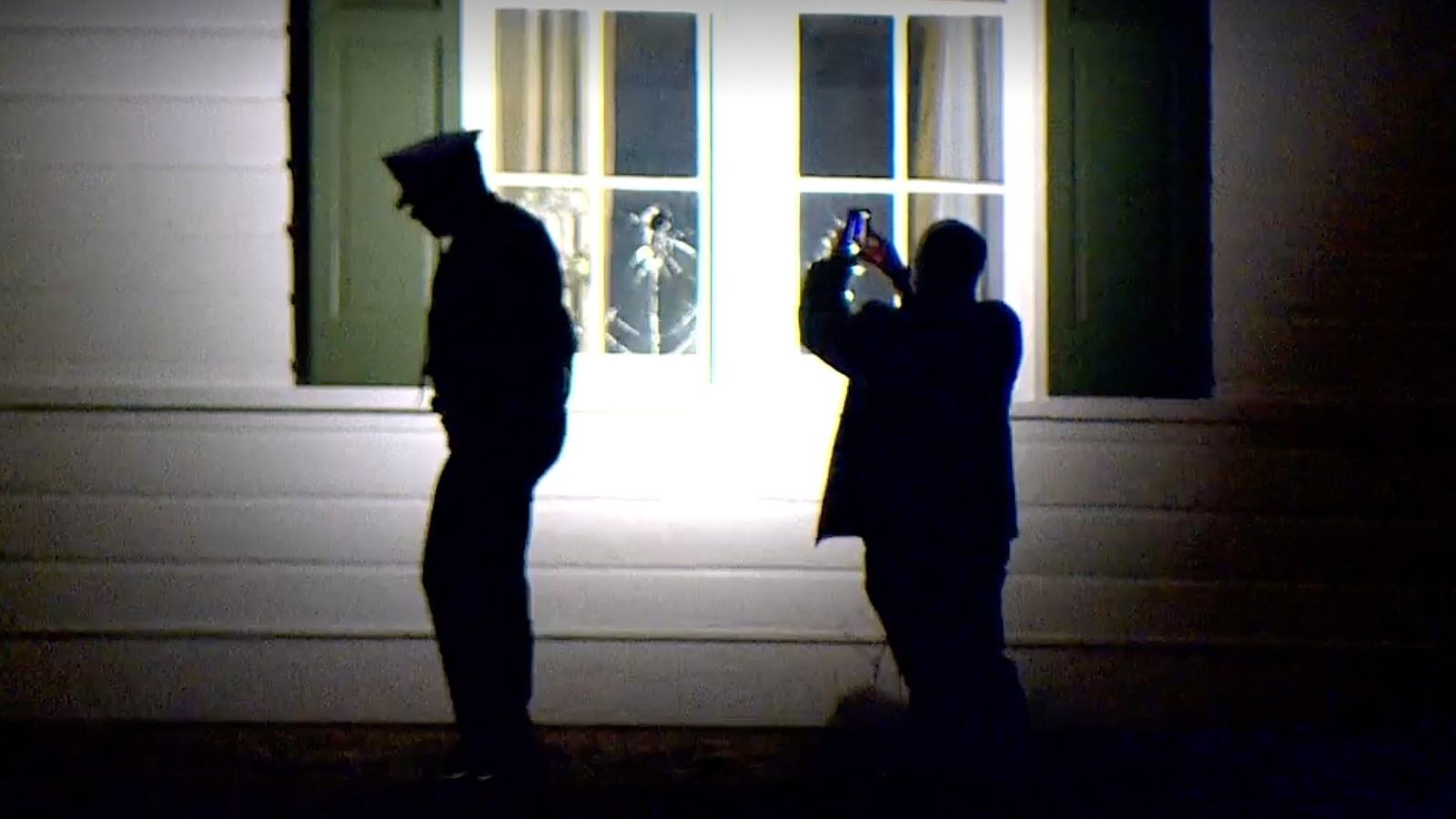
Secret Service personnel detained a man just after midnight who allegedly caused property damage, including breaking windows, at Vice President JD Vance's unoccupied Cincinnati residence; the suspect was subsequently taken into custody by Cincinnati police. The Vice President and his family were not in Ohio at the time; Vance and his wife purchased the East Walnut Hills home for about $1.4 million in 2018. This is a localized security and legal incident with minimal direct market implications, though it may carry limited political optics.
Market structure: This isolated vandalism incident primarily benefits private security and government-contractor vendors at the margin — think residential/integrated security providers (e.g., ADT) and, if escalation occurs, defense/security contractors (LHX, LMT). Expect a localized, short-lived uplift in demand for home-security hardware/services (order-of-magnitude: low single-digit percent revenue blip for leading public installers over 1–3 months) with negligible impact on national housing prices or large-cap insurers absent repeated incidents.
Risk assessment: Tail risks include a cascade of politically motivated attacks that force durable increases in protective services and federal/state contracting (high impact, low probability). Immediate timeframe (days) = reputational/local police response; short-term (1–3 months) = potential incremental private security spending and contract awards; long-term (6–18 months) = only material if repeated incidents shift appropriations (trigger: DHS/Secret Service procurement notices or federal supplemental requests).
Trade implications: Favor small, tactical long exposure to public security integrators and select defense contractors: use cost-controlled option structures to express the view for 1–6 month windows; avoid large directional bets on insurers or real-estate names. Entry within 1–14 days; trim into strength (+15–25%) or stop at -8–10%; if official contract announcements arrive within 30–90 days, add size.
Contrarian angles: The market consensus will likely underprice the upside in niche integrators and small-cap security services that could be acquisition targets after any uptick in demand; conversely, overreactions in local REITs or regional insurers are probable and tradable. Historical parallels (isolated attacks on public figures) show single incidents rarely move macro markets — trade small, event-driven positions with clear catalyst milestones (procurement notices, DHS memos) within 30–90 days.
AI-powered research, real-time alerts, and portfolio analytics for institutional investors.
Request DemoOverall Sentiment
neutral
Sentiment Score
0.00
