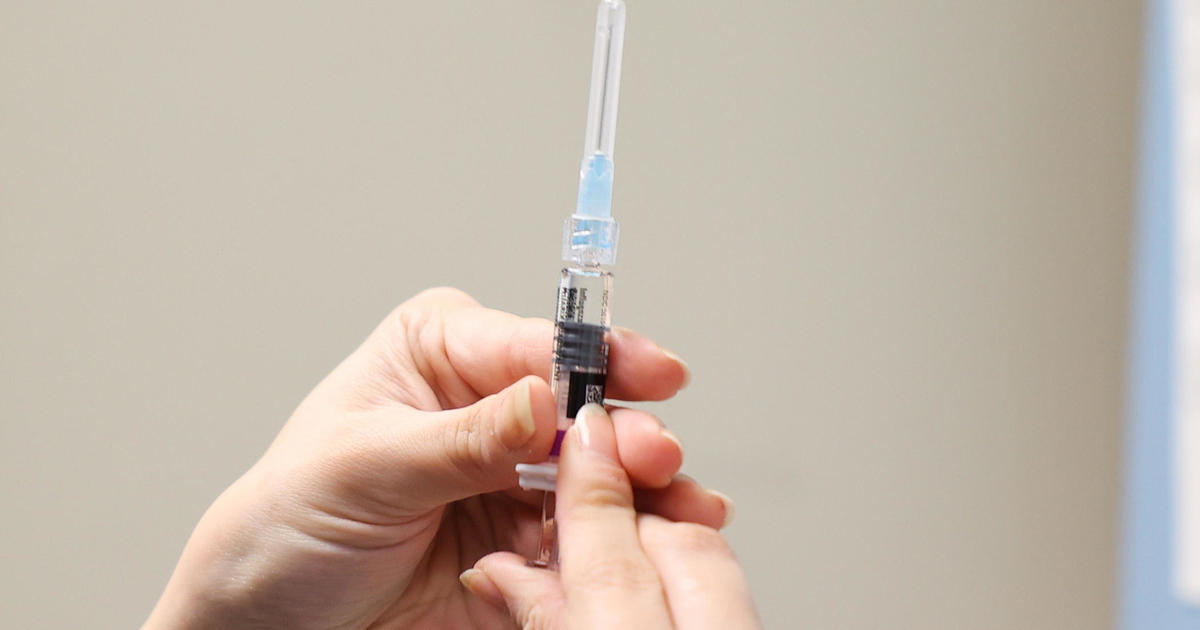
Minnesota is seeing a sharp uptick in influenza activity with 113 hospitalizations so far this season—more than double the count at this point last year—and public health officials expect increases through mid-January. A Twin Cities charter school (Math and Science Academy, ~800 students) shifted to e-learning after over 20% of students (145) were absent with flu; officials emphasize staying home when symptomatic and note CDC estimates flu vaccination cuts outpatient doctor visits by 40–60%, though season effectiveness likely won’t be known until February.
Market structure: Short, localized flu spikes disproportionately benefit vaccine administrators and point-of-care testing/disinfection vendors while pressuring discretionary consumption and travel. Expect pharmacies (CVS, WBA) to capture $20–40 per administered shot and higher foot traffic for 2–8 weeks, testing vendors (QDEL, ABT) to see unit demand spikes, and disinfectant suppliers (CLX) to realize single-quarter sales bumps. Insurers face higher short-term claims but hospitals may see mixed P&L impact (higher admissions vs. staffing costs).
Risk assessment: Tail risks include a vaccine-mismatch or novel strain that raises hospitalizations >> x2 baseline and triggers state purchasing/emergency measures; probability low but high impact for 1–3 quarters. Immediate (days–weeks): testing and OTC sales spike; short-term (weeks–months): vaccine administration revenue and claim flows materialize; long-term (2025–2027): if mRNA flu adoption accelerates, incumbent vaccine margins could reprice. Hidden dependencies: vaccine effectiveness (announced Feb) is a binary catalyst that will re-rate exposure; school closures materially depress local consumption and labor supply.
Trade implications: Favor tactical, short-dated exposure to pharmacies, testing and disinfectants while hedging travel/leisure. Use options to express directionality: buy call spreads on testing/pharmacy names to limit capital while capturing a 2–8 week demand surge; buy puts on airlines/online travel agencies for holiday travel downside. Entry window: act within 2 weeks ahead of mid-January peak; unwind or reassess by mid-February when CDC publishes vaccine effectiveness.
Contrarian angles: Consensus underweights upside for testing if vaccine efficacy is low — a poor-efficacy read in Feb could drive another testing/antiviral leg up and re-rate Quidel/Abbott. Conversely, market may over-penalize travel names for a modest regional outbreak; if hospitalizations plateau (<+20% weekly), travel rebounds quickly. Historical parallel: 2017–18 severe season produced 20–40% quarter-over-quarter revenue bumps for testing and retail vaccine administrators; monitor for a similar pattern.
AI-powered research, real-time alerts, and portfolio analytics for institutional investors.
Request DemoOverall Sentiment
neutral
Sentiment Score
-0.10
