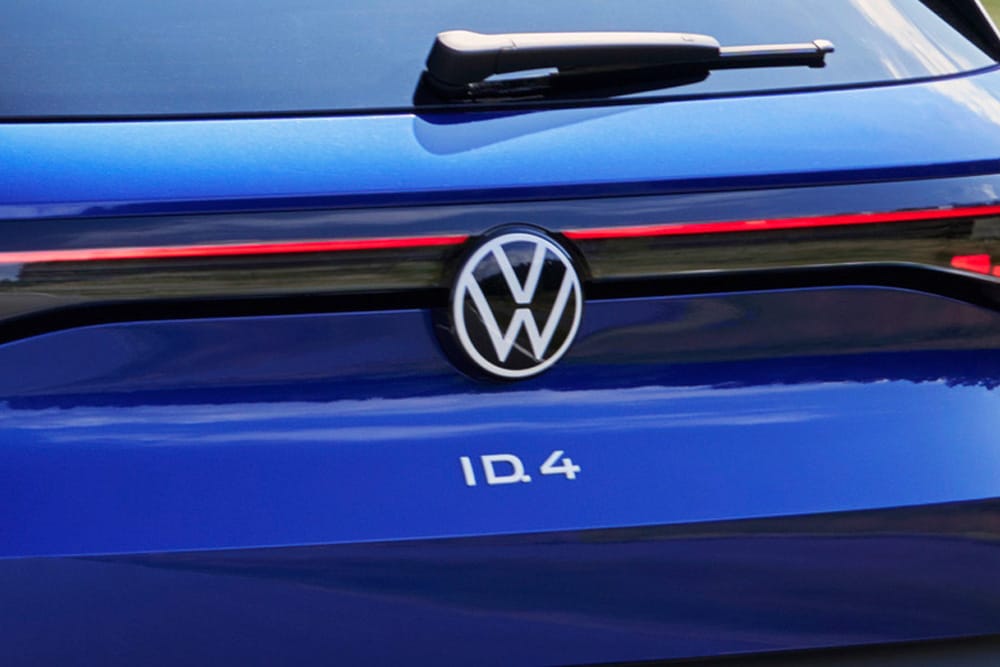
Volkswagen will rename the facelifted ID.4 to ID. Tiguan and consolidate production at the Emden plant (production for the model there confirmed through end-2031), while phasing out ID.4 output in Zwickau as that plant retains Audi Q4 e‑tron and likely other small EV models. The facelift moves the vehicle to the updated MEB+ platform with a new entry-level motor and likely LFP base cells, replaces recessed door handles, discontinues the ID.5, and accompanies a brand-level governance restructure intended to cut production costs by about €1 billion by 2030, a move with modest operational and margin implications for VW.
Market structure: Volkswagen is the direct beneficiary—consolidating ID. Tiguan production in Emden, shifting Zwickau mix and migrating to MEB+ with LFP entry-level cells should reduce unit costs and complexity; suppliers of LFP cells (CATL, BYD (1211.HK)) and Emden-region Tier-1s (Continental - CON.DE, Hella/HLE.DE) stand to gain volume and margin stability. Lithium miners (Albemarle ALB, SQM) and premium NCM-focused cell suppliers face downside risk if LFP share grows meaningfully in VW’s high-volume models. Expect modest pricing power improvement for VW over 12–36 months as platform commonality reduces per-vehicle COGS by a few hundred euros, but limited immediate revenue upside.
Risk assessment: Tail risks include EU/US regulatory scrutiny of China-dominated LFP supply, a major supplier failure disrupting ramp (weeks–months), or labor disputes at Emden delaying launch (days–months). Immediate market reaction should be muted; short-term (3–12 months) execution risks dominate as MEB+ and LFP integration are validated; long-term (through 2031) demand depends on successor decisions and brand reception. Hidden dependencies: long-term LFP sourcing ties VW to Chinese cell makers and chemical inputs (iron phosphate, graphite), raising geopolitical concentration risk.
Trade implications: Tactical trades favor long VW equity/volatility exposure and short lithium miners. Specific plays: establish a 2–3% long position in VOW3.DE or VWAGY with a 6–18 month horizon and consider a 12-month call spread (buy ATM, sell ATM+25%) to cap cost. Pair this with a 1–2% short or bought-protection in ALB or SQM to hedge raw-material downside; consider a 9–12 month put on ALB as cheaper downside exposure. Rotate 3–6% portfolio weight from pure-play lithium miners into European auto suppliers over the next 1–3 months.
Contrarian angle: The market may overestimate the branding upside of renaming—historical rebrands rarely move fleet economics; the real value is in cost and platform rationalization, which the market may under-price. If VW executes the €1bn production savings and demonstrates measurable COGS reduction per vehicle (~€200–€500), VW equity could re-rate even without huge volume growth—this is the mispricing to exploit. Watch for unintended consequences: dealer/resale confusion and quality perception swings that could temporarily depress margins or incentives.
AI-powered research, real-time alerts, and portfolio analytics for institutional investors.
Request DemoOverall Sentiment
neutral
Sentiment Score
0.12
