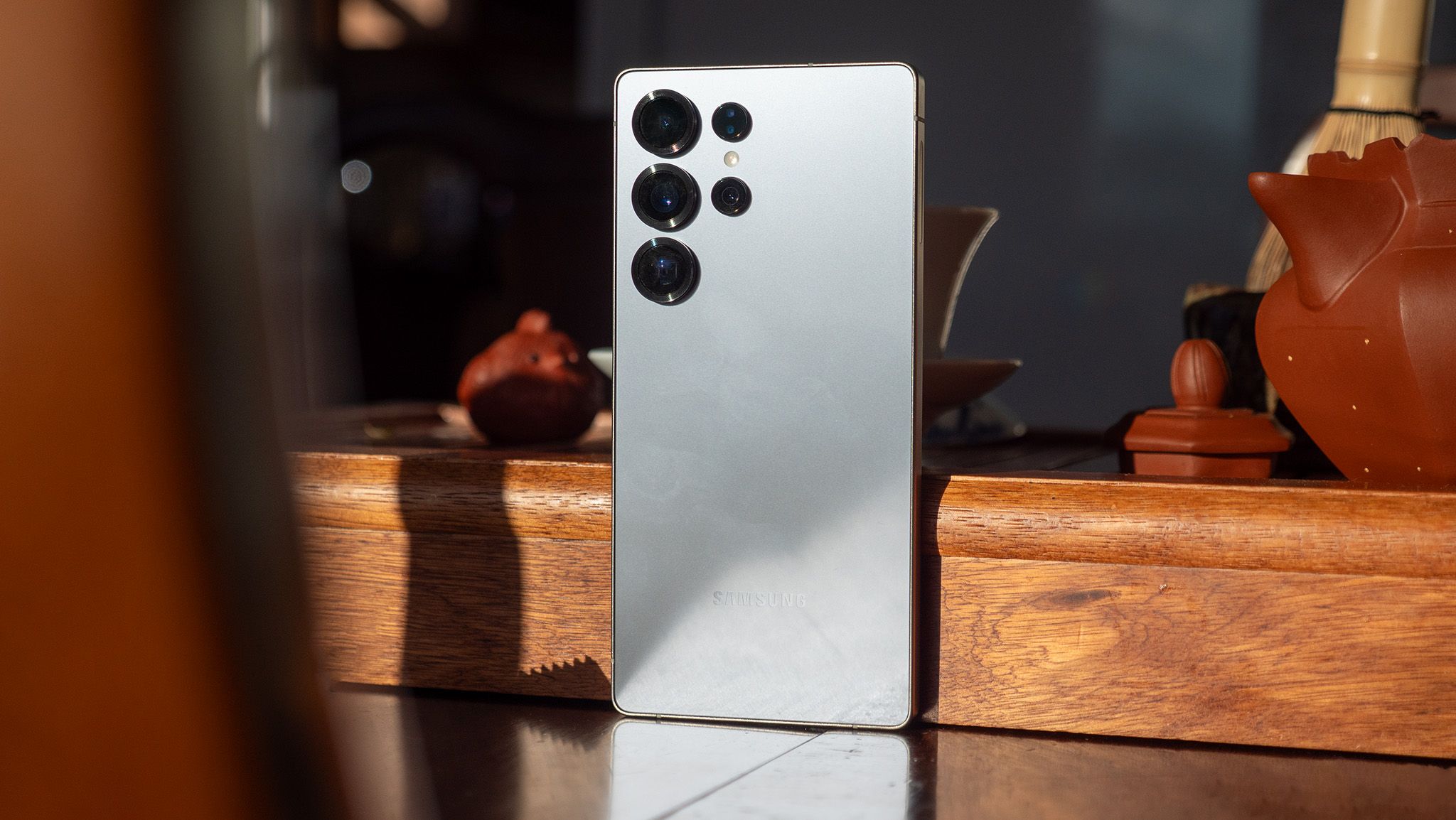
Samsung has released One UI 8.5 beta 4 (firmware ZZAL, ~1.5 GB) to Galaxy S25 users in South Korea, India, Germany, the UK and the US ahead of the Galaxy S26 launch, including the February 2026 security patch. The update focuses on stability fixes (lock‑screen clock, AI Select, Bluetooth call routing, keypad pasting, phone app search) and introduces an on‑device Direct Voicemail feature with live transcription and pickup during messages, aligning feature parity with Pixel and iPhone implementations and improving user experience ahead of the flagship launch.
Market structure: Samsung (KRX:005930) and its premium-phone supply chain (Qualcomm QCOM, Broadcom AVGO, TSMC TSM) are direct beneficiaries: incremental feature parity (Direct Voicemail + One UI polish) reduces churn to Pixel/iPhone and can lift S-series sell-through by a modest 1–3 percentage points vs. baseline in the first 3 months after launch. Smaller Android OEMs and Pixel (GOOGL) face marginal pressure on premium share and trade-ins, compressing ASP migration tailwinds and favoring incumbents with carrier relationships. Across assets, a stronger-than-expected S26 cycle would mildly strengthen KRW, tighten credit spreads for Korean corporates, and lift semiconductor equities; fixed-income moves will be secondary unless device demand materially deviates (>5% surprise).
Risk assessment: Immediate risk (days) is reputational—beta bugs can dent launch momentum; short-term (weeks) hinge on S26 early reviews/pre-orders; long-term (quarters) depends on sustained software differentiation and carrier adoption. Tail risks include a major software rollback delaying shipments (could shave 1–3% of quarterly handset revenue) and regulatory/privacy pushback on on-device transcription across EU/US in 3–12 months. Hidden dependencies: carrier certification, on-device NPU capacity (compute costs), and foundry allocation from TSMC/Samsung Foundry that can bottleneck supply. Key catalysts: S26 review window (0–30 days), carrier pre-order reports (30–60 days), and quarterly results (90–120 days).
Trade implications: Direct play — establish a tactical 2–3% long position in 005930.KS ahead of the S26 launch (target +10–15% in 3 months, hard stop -6%) and a 1% overweight in QCOM (benefits from modem/SoC content). Options — buy QCOM 3‑month call spread ~10% OTM sized to 0.5–1% of portfolio to express upside while capping premium; consider a small long AVGO 1–2% as defensive high-margin supplier exposure. Pair trade — long 005930.KS (2%) / short AAPL (AAPL, 1%) to express likely incremental Android share gains in premium segment over 3 months. Time entries 3–5 trading days before official S26 unveiling and trim 25–50% on first-week sell-through data.
Contrarian angle: The market understates software polish as a revenue driver — software parity can lift conversion and reduce return rates, implying upside to component content per device that’s underappreciated. Conversely, the consensus may underplay distribution risk; if major carriers delay certification or EU privacy regulators restrict live transcription, downside can be abrupt (5–8% handset demand hit). Historical parallel: Samsung’s S8 software stabilizations bought back momentum after early hardware criticisms, but not every polish converts to lasting market share — monitor 30/60/90-day sell-through and carrier adoption as the true signal.
AI-powered research, real-time alerts, and portfolio analytics for institutional investors.
Request DemoOverall Sentiment
mildly positive
Sentiment Score
0.30
