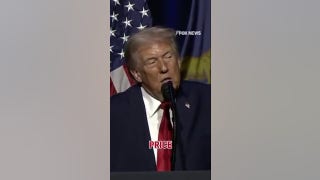
A nationwide internet blackout in Iran has persisted for five days with connectivity at near-zero levels (NetBlocks), and authorities are disrupting satellite services such as Starlink while expanding use of surveillance drones and security forces to suppress widespread anti-government protests. Rights groups and media report more than 10,000 arrests and at least 3,000 killed (per Fox News), and analysts warn Tehran is using digital tracking to map and later target participants; Washington is weighing non‑kinetic and cyber options — including attacks on jamming infrastructure or declassification of intelligence — which raises regional escalation risks and potential second-order effects on energy and geopolitical risk premia for investors.
Market structure: Near-term winners are defense primes and cybersecurity and resilient-communications vendors as governments accelerate spending: expect incremental contract flows to LMT, NOC, GD and recurring SaaS cybersecurity vendors (PANW, FTNT) over the next 6–24 months. Losers are EM equities/FX (EEM, TRY, IRT-adjacent exposure) and regional services (airlines, tourism) from risk-off; commodity demand shocks (oil) are conditional on escalation through the Strait of Hormuz. Cross-asset: risk-off pushes USD and Treasuries up (yields down), gold higher and EM FX lower; conditional oil spikes (>+10% in 3–7 days) will reverse risk sentiment and hurt global growth estimates.
Risk assessment: Tail risks include US kinetic strikes or a deliberate Iranian closure of shipping lanes (low-probability, high-impact) that could send Brent >$120 (+50% from $80) and cause 10–15% hit to global cyclical equities in 1–3 months. Cyber-retaliation against Western infrastructure is a second-order risk that could disrupt supply chains and raise insurance/operational costs for exposed corporations. Key catalysts to monitor: US declassification/assistance to protesters (days–weeks), credible military action (days), and 7‑day sustained crude moves >+10%.
Trade implications: Tactical: establish small equity exposure to defense (LMT, NOC) 1–2% each and add 2–3% sector overweight to cybersecurity (PANW, FTNT) phased over 4–8 weeks; buy 3–6 month call spreads on PANW. Hedging: buy 3‑month puts on EEM (strike ~5–7% OTM) sized to cover EM exposure and add 1–2% GLD for tail protection. If Brent >$100 for 5 trading days, add 1–2% energy (XLE) within 48 hours.
Contrarian angles: The market may overpay for pure-play cyber growth stories; prefer profitable, cash-generative vendors (PANW, FTNT) over unprofitable peers. Historically regional unrest without wider war gives only a temporary oil shock (2019 pattern); therefore scale energy exposure with objective triggers (price/time), and avoid permanent reallocation until escalation persists >30 days or inventories fall >5% vs trend.
AI-powered research, real-time alerts, and portfolio analytics for institutional investors.
Request DemoOverall Sentiment
strongly negative
Sentiment Score
-0.65
