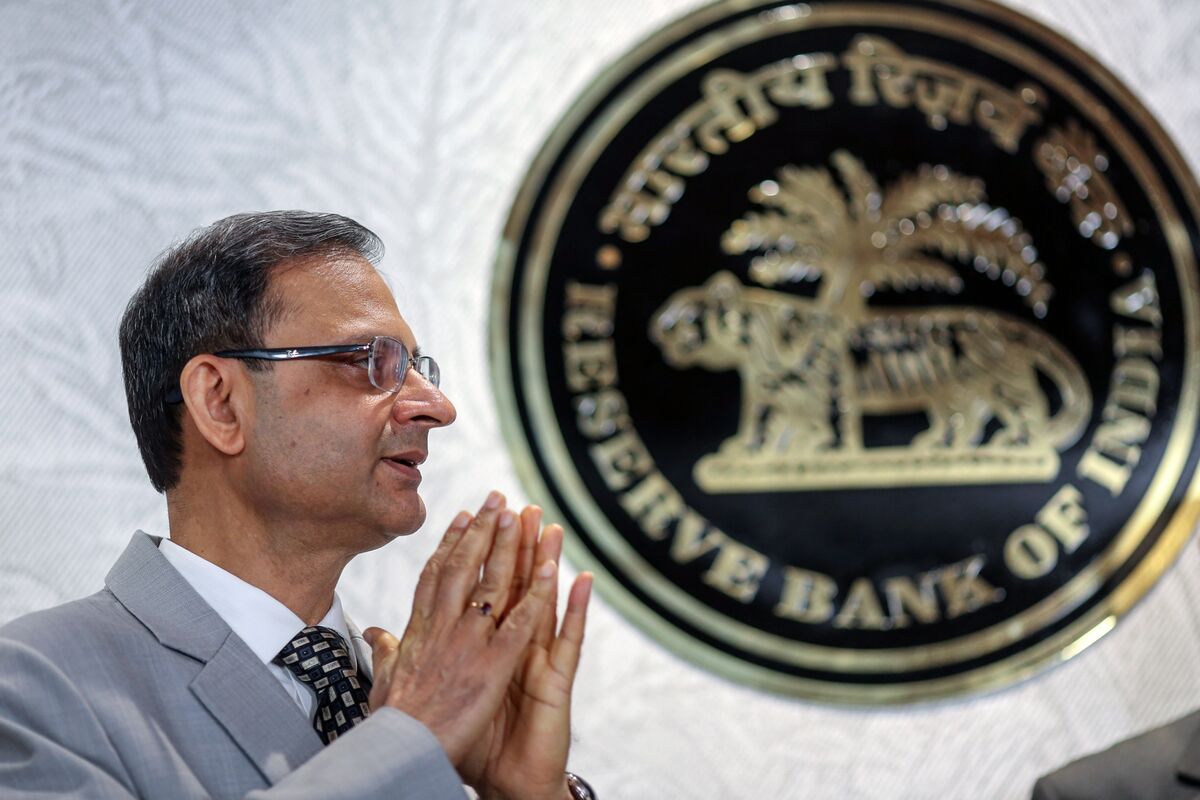
RBI Governor Sanjay Malhotra stated that India's central bank will consider further interest rate cuts if inflation falls below its projections or economic growth comes under pressure. This indicates a data-dependent monetary policy approach, where the Monetary Policy Committee will factor in the evolving economic situation and outlook to guide future rate decisions for Asia's third-largest economy.
The Reserve Bank of India (RBI) has articulated a clear, data-dependent framework for future monetary policy, directly linking potential interest rate cuts to specific economic outcomes. Governor Sanjay Malhotra's statement establishes two primary triggers for further easing: inflation dropping below the central bank's projections or a notable deceleration in economic growth. This commentary, flagged with a dovish tone, signals a proactive and flexible stance from the MPC, prioritizing the stability of Asia's third-largest economy. By explicitly stating the conditions, the RBI provides a transparent reaction function for market participants, elevating the importance of forthcoming inflation and GDP data releases as key catalysts for shifts in monetary policy.
AI-powered research, real-time alerts, and portfolio analytics for institutional investors.
Request DemoOverall Sentiment
mildly positive
Sentiment Score
0.25
