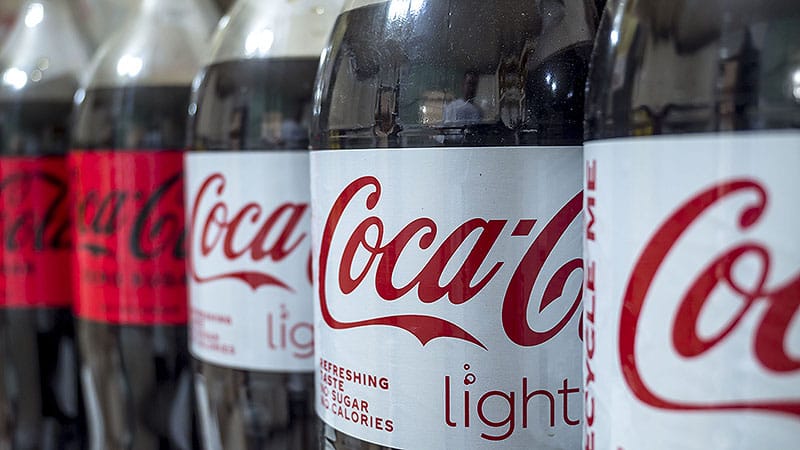
A large UK Biobank study presented at UEG Week 2025 reveals that both sugar-sweetened beverages (SSBs) and low- and non-sugar-sweetened beverages (LNSSBs) are significantly associated with a higher risk of metabolic dysfunction-associated steatotic liver disease (MASLD). Notably, LNSSBs, often considered healthier alternatives, were linked to a 60% higher MASLD risk compared to a 50% risk for SSBs at similar consumption levels, and also showed a greater association with severe liver outcomes. This finding challenges prevailing dietary perceptions, suggesting potential implications for the beverage industry as MASLD becomes a global health concern, with the study indicating that substituting either beverage with water significantly reduces MASLD risk.
A recent UK Biobank study presented at UEG Week 2025 reveals that both sugar-sweetened beverages (SSBs) and low- and non-sugar-sweetened beverages (LNSSBs) are significantly associated with an increased risk of metabolic dysfunction-associated steatotic liver disease (MASLD). Notably, consuming over one serving of LNSSBs daily was linked to a 60% higher MASLD risk, exceeding the 50% higher risk observed for SSBs at similar intake levels. This challenges the common perception of diet drinks as harmless alternatives.
Furthermore, LNSSBs were associated with a 55.5% higher risk for severe liver outcomes, a link not significantly observed with SSBs after adjustment. The study attributes SSB impact to glucose spikes and weight gain, while LNSSBs may affect liver health via gut microbiome alteration and insulin secretion disruption. MASLD's prevalence in 38% of the global population underscores the broad public health implications.
While an expert cautioned about potential confounders in the study population, the research strongly indicates that substituting either beverage with water reduced MASLD risk by 12.8% for SSBs and 15.2% for LNSSBs. This moderately negative sentiment and cautious tone suggest a long-term influence on consumer choices within the beverage sector.
AI-powered research, real-time alerts, and portfolio analytics for institutional investors.
Request DemoOverall Sentiment
moderately negative
Sentiment Score
-0.50
