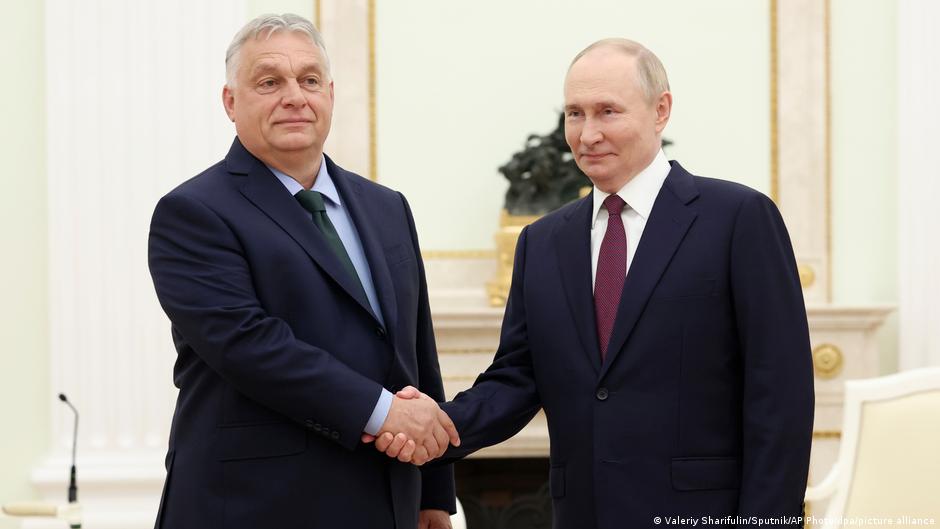
Russian crude accounted for as much as 93% of Hungary's oil imports in 2025 (up from 61% in 2021), highlighting a sharp rise in dependence on Russian energy. Hungarian state oil company MOL saw earnings rise ~15% to ~€1.3bn in 2025, but consumers in Hungary and Slovakia faced pre-tax fuel prices 18% (gasoline) and 10% (diesel) higher than Czechia, respectively. The CSD report flags legal exemptions, long-term contracts (Gazprom/Turkstream) and loopholes in the EU phaseout that could allow continued Russian gas imports through 2027, creating sustained geopolitical and regulatory risk ahead of Hungary's April 12 election.
Hungary's energy position behaves like a concentrated quasi-monopoly: state-aligned incumbents capture discounted supply rents while downstream consumers and neighboring markets face persistent price dislocation. That rent extraction creates a feedback loop — higher corporate cashflow funds political leverage, which in turn preserves preferential supply contracts and legal carve-outs, making market outcomes less elastic to price signals.
A shadow routing and contract-arbitrage market has emerged: trunk-pipeline outages, transit reroutes and origin‑verification loopholes produce sustained opportunities for traders, insurers and middlemen to earn basis and logistics premia. Those margins are durable across quarters because they sit outside normal refining economics (they accrue to transport/contract rights and to holders of long, state-backed offtakes) and will only compress with coordinated legal enforcement or a change in Budapest’s political calculus.
Catalysts that can puncture the status quo are clear and asymmetric — an EU-level crackdown, meaningful removal of exemptions, or a post-election pivot in Budapest would force rapid reallocation of crude flows and reprice local incumbents; conversely, any diplomatic accommodation that preserves pipeline access can extend the current equilibrium for years. Time horizons: tactical volatility around near-term political events (days–months) and structural repricing if enforcement scales (months–years). Hedging and directional positions should therefore be staged around those policy gates and calibrated for binary outcomes.
AI-powered research, real-time alerts, and portfolio analytics for institutional investors.
Overall Sentiment
moderately negative
Sentiment Score
-0.45
