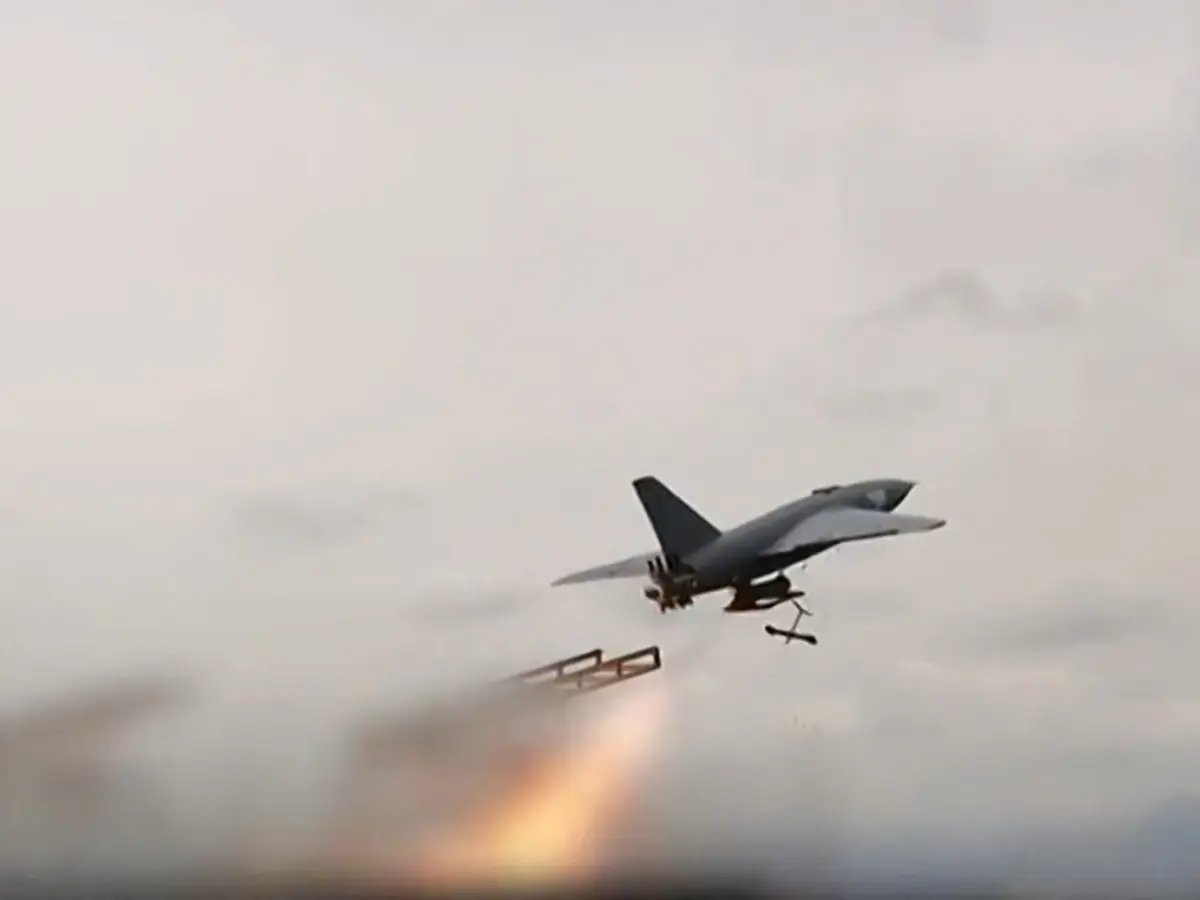
Saudi Arabia reportedly conducted retaliatory airstrikes on Iran in late March, marking the first known direct Saudi military strikes on Iranian territory. The attacks came after repeated missile and drone strikes on Saudi Arabia during the wider Middle East conflict, heightening regional escalation risk before an informal de-escalation understanding was reached and a broader US-Iran ceasefire followed on April 7. The article also notes ongoing tensions around Gulf security and shipping routes, including the Strait of Hormuz and Red Sea trade flows.
The market implication is less about a one-off headline and more about a regime change in Gulf risk management: Saudi Arabia is signaling it will no longer rely solely on the US security umbrella. That raises the probability of calibrated, state-on-state retaliation cycles that stay below full war but still premiumize regional risk assets, especially anything tied to chokepoints, air defense, and maritime logistics. The immediate effect should be a modest but sticky risk premium in crude, refined products, and Gulf transport insurance rather than a panic spike.
The second-order winner is the defense stack: not just missiles and interceptors, but sensors, command-and-control, EW, and drone countermeasures. If Riyadh and neighboring Gulf states conclude they need persistent sovereign deterrence, procurement cycles should shift from episodic purchases to multi-year platform and munitions replenishment, which is structurally better for primes and select Israeli/European suppliers with exportable air-defense and counter-UAS systems. The loser set is less obvious: tanker owners, insurers, and port/logistics operators face a higher base rate of disruption even if shipping lanes remain open, because small increases in perceived interdiction risk can reprice freight and war-risk premiums quickly.
The contrarian point is that this may be bearish for volatility traders expecting a sustained crude breakout. Saudi advance warning and the informal de-escalation channel suggest both sides want controlled signaling, not an oil shock, and that tends to cap duration of risk spikes. If the next 2-6 weeks pass without direct follow-through, energy premium should bleed out while defense procurement expectations remain intact.
The cleanest trade is to express a barbell: own defense beneficiaries while fading broad energy beta. This is a better setup than outright long oil because supply interruption probability is real but still bounded unless Hormuz or Saudi processing infrastructure is hit. The tail risk is a miscalculation that forces US involvement; that would change the trade from tactical premium to full geopolitical stress and should be monitored through shipping rates, implied vol in crude, and Gulf CDS.
AI-powered research, real-time alerts, and portfolio analytics for institutional investors.
Request DemoOverall Sentiment
mildly negative
Sentiment Score
-0.35
