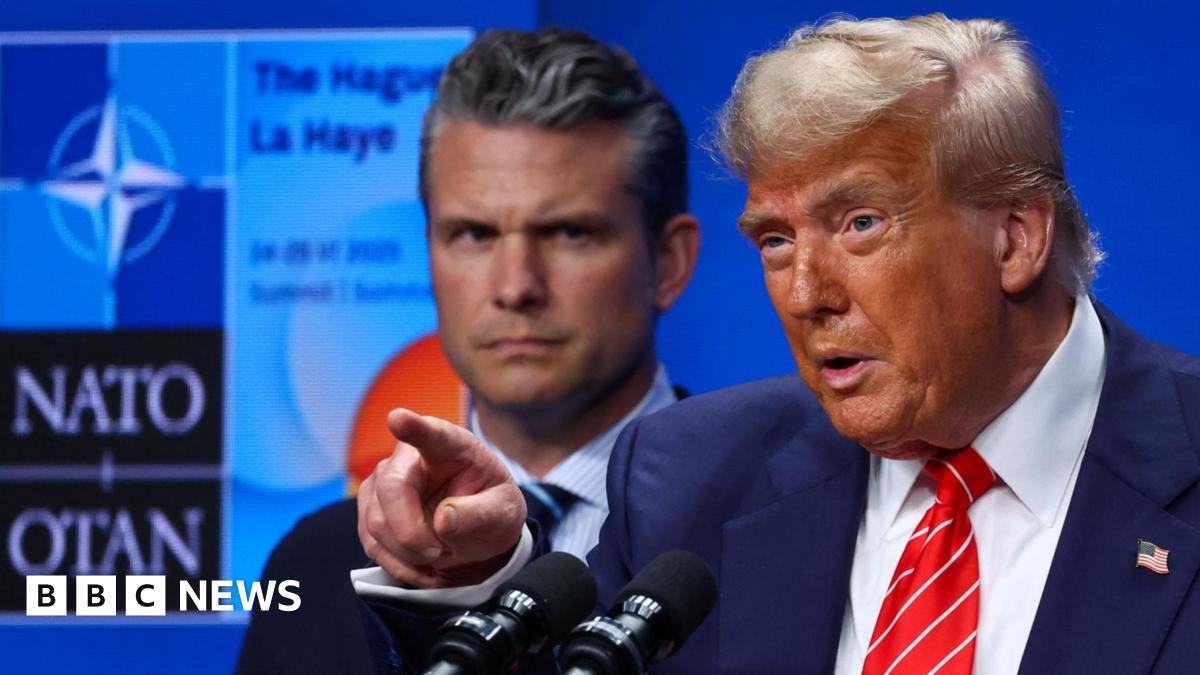
NATO members have committed to raising defense spending to 5% of GDP by 2035, a substantial increase from the previous 2% target, largely driven by US President Donald Trump's demands for greater European burden-sharing to ensure continued US alliance commitment. This agreement, lauded by Trump as a "monumental win," signifies a strategic pivot towards enhanced collective defense capabilities, with the UK notably committing to acquiring US nuclear-capable jets. The critical focus now shifts to Europe's ability to execute on this ambitious new financial and strategic commitment.
The agreement by NATO members to elevate defense spending to 5% of GDP by 2035, a substantial increase from the previous 2% target, signals a significant, multi-decade shift in fiscal priorities for European nations and Canada. This development, spurred by US demands, is poised to create a sustained tailwind for the defense industry. The UK's commitment to purchase US nuclear-capable jets provides a concrete, early example of the high-value procurement contracts that will emanate from this policy, strengthening both military deterrence and transatlantic industrial ties. While presented as a political success that solidifies the alliance, the core uncertainty for investors is the execution risk, as the article explicitly questions whether European economies can realistically deliver on this ambitious, long-term spending pledge. The geopolitical driver is identified as Russia, yet the lack of a direct mention of the Ukraine war in the communiqué introduces a nuance regarding the immediate catalysts for spending versus the long-term strategic posture.
AI-powered research, real-time alerts, and portfolio analytics for institutional investors.
Request DemoOverall Sentiment
mildly positive
Sentiment Score
0.25
