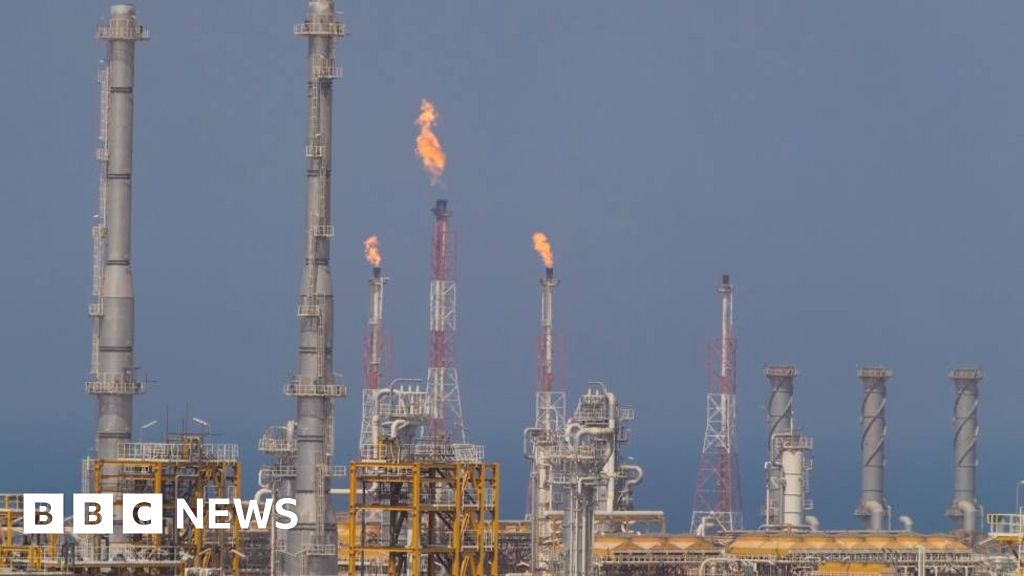
Brent crude spiked to $109.91/bbl, up more than 5% intraday after reports an airstrike hit Iran's South Pars petrochemical complex; UK gas jumped ~6% to 143.53p/therm before easing below 140p. Iran says the fire is under control but damage is unclear, has suspended gas flows to Iraq, and warned of decisive retaliation; Qatar's North Dome facilities also add cross-border supply risk. The strike increases the risk of further energy supply disruption in a field shared with Qatar and is likely to keep energy markets volatile and prices elevated versus early-March highs ($116.78/bbl oil, 162.55p gas).
This strike reprices a risk premium that sits on top of an already tight global hydrocarbon system; the direct effect is not just a one-off production loss but a jump in marginal delivered cost for spot LNG and seaborne crude because insurers, rerouting and security detachments raise unit transport costs by a non-trivial percent. Expect immediate volatility for 2–6 weeks as spot cargoes are rebooked and short-term storage owners arbitrage regional spreads; beyond that (3–12 months) buyers will push for longer-term supply security, accelerating contract renegotiations and additional FSRU/LNG capacity investment. Second-order winners are flexible export capacity and physical traders that can capture widened regional spreads — US LNG exporters and trading houses with shipping are best placed to arbitrage. Losers include short-cycle petrochemical producers and gas-intensive fertilizer producers in the region who face persistent feedstock uplift for months, and European/Asian carriers with tight hedges on jet fuel who will see margin squeeze if oil stays elevated for more than a quarter. Tail risks: escalation that targets chokepoints or multiple Gulf facilities could lift Brent into mid-$110s–$120s within weeks and force strategic sales or embargoes; the obvious reversal is quick diplomatic or operational repair (48–72 hours) or Qatar/other suppliers restoring flows, which would compress volatility and push prices down by $10–15 in 2–6 weeks. Key trigger levels to watch: sustained Brent over $115 raises political intervention probability materially; a drop below $95 signals demand repricing and a likely snapback in risk assets.
AI-powered research, real-time alerts, and portfolio analytics for institutional investors.
Request DemoOverall Sentiment
moderately negative
Sentiment Score
-0.35
