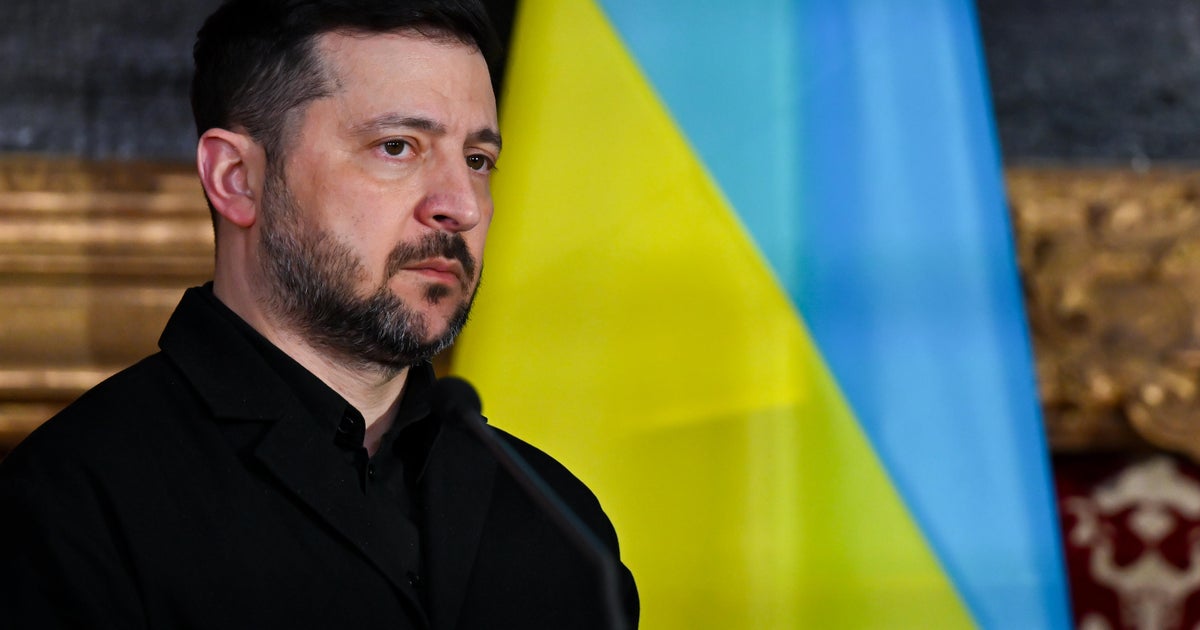
U.S.-mediated Ukraine-Russia talks in Geneva concluded after limited engagement—about two hours on the second day—with little concrete progress as territorial issues, chiefly Russia's demand for permanent control of parts of the Donbas, remain unresolved. President Zelenskyy accused Moscow of stalling, repeated Ukraine's refusal to cede sovereignty, and signaled willingness to discuss a neutral, internationally monitored buffer zone and security guarantees before any territorial concessions. The lack of breakthrough, together with continued public pressure from U.S. political actors, maintains geopolitical tail-risk for European security and related markets, though tangible near-term financial fallout appears limited.
Market structure: A stalemate with low near-term probability of a clean settlement increases demand for defense and energy real assets. Direct beneficiaries: large U.S. defense primes (LMT, RTX, NOC, GD) and integrated oil majors (XOM, CVX, XLE); direct losers: Russian assets (local equities, RUB), and EU gas utilities if sanctions escalate. Cross-asset: expect a short-lived equity risk-off, safer-haven bid into USD/Treasuries/Gold (GLD, TLT) and higher crude prices (WTI/Brent), driving commodity beta > equity beta for 1–3 months.
Risk assessment: Tail risks include rapid escalation (NATO indirect involvement) causing oil spikes >$15–$25/bbl and sanctions that freeze Russia-related supply chains; low-probability but high-impact within 0–90 days. Immediate (days): volatility spikes and flight-to-quality; short-term (weeks–months): defense rerating and oil repricing; long-term (quarters–years): sustained higher defense budgets and European energy security capex. Hidden dependencies: U.S. election rhetoric (Trump pressure for deal) and EU winter gas inventories can quickly reverse sentiment. Key catalysts: failed talks or a major incident (upside to defense/oil) vs. credible de-escalation/prisoner swaps (risk-on reversal).
Trade implications: Implement concentrated tactical longs in defense and energy while hedging with duration and gold. Use options to express asymmetric risk: buy call spreads on LMT/RTX for 3–9 month windows and crude call calendars for volatility. Avoid large directional exposures to European cyclical financials/utilities until gas-supply risk is resolved.
Contrarian angles: The market underestimates multi-year structural uplift for defense suppliers to EU partners (subcontractors, cybersecurity) even if a short-term deal appears; a shallow peace could still sustain elevated defense budgets. Conversely, if talks meaningfully progress in 30–90 days, defense and oil rallies could reverse rapidly — therefore size and optionality matter more than blind directional bets.
AI-powered research, real-time alerts, and portfolio analytics for institutional investors.
Request DemoOverall Sentiment
moderately negative
Sentiment Score
-0.40
