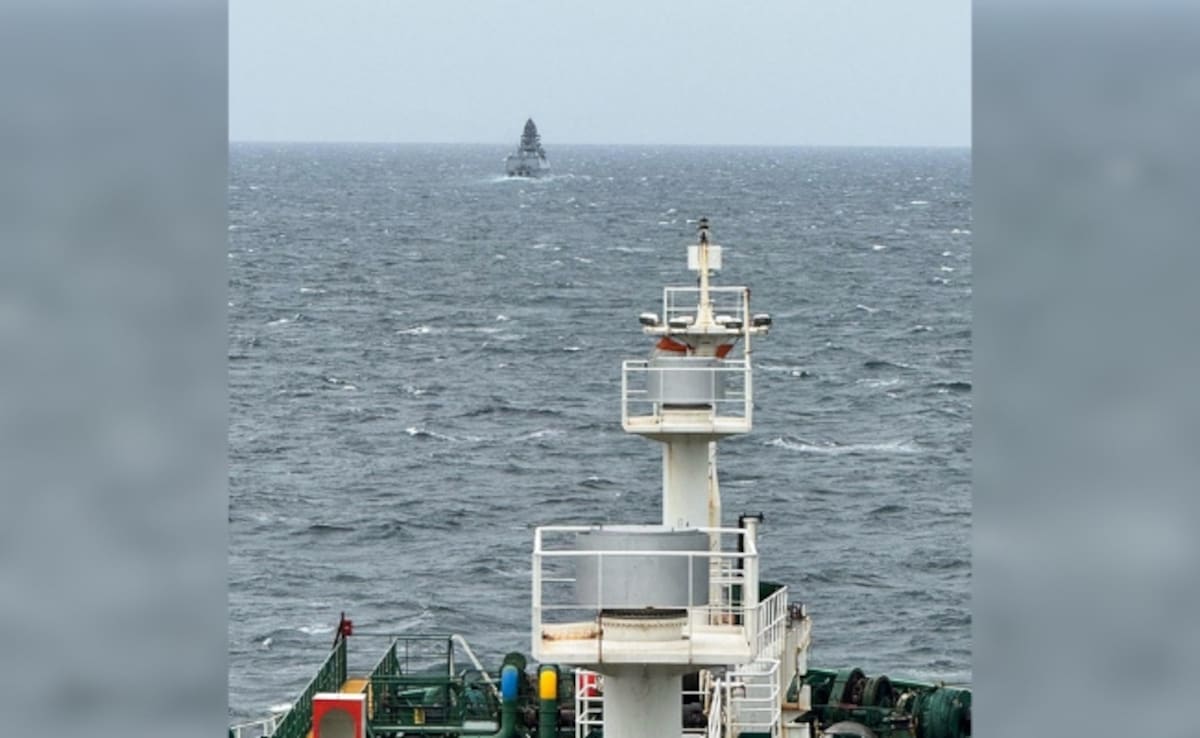
20% of the world's energy transits the Strait of Hormuz, which Iran is controlling and has largely restricted since the conflict began, causing severe supply disruptions. Approximately 19 energy cargos (LPG, crude oil and LNG) destined for India are currently stranded; 8 Indian ships have exited Hormuz, while officials report 10 foreign-flagged vessels (3 LPG, 4 crude, 3 LNG) and Indian-flagged vessels (3 LPG, 1 LNG, 4 crude) are affected. The blockade is materially disrupting energy flows to India and other buyers and poses upside risk to regional oil/LNG prices and shipping insurance/premia.
Control of a chokepoint shifts costs from commodity sellers to transporters and chokepoint-capable states; the immediate mechanical effect is higher voyage days and war-risk surcharges that function like a tax on seaborne energy. Expect spot tanker and LNG voyage-day economics to reprice upward by multiples in weeks (spot rate spikes of 2x–4x are plausible on acute disruption) while time-charter contracts and freight derivatives lag and then catch up over 1–3 months.
Second-order winners are asset owners with scarce mobility (VLCC/VLGC owners, LNG carriers with flexible employment) and entities that can flex on-land supply — terminals, storage operators, and pipeline projects become strategic beneficiaries over 6–24 months. Losers are marginal charterers (traders and refiners without long-term offtake or regional hub access) and energy-intensive consumers (airlines, petrochemicals) who face immediate margin erosion and potential demand destruction if price passthrough is sustained beyond a quarter.
Key catalysts and tail risks: a short diplomatic corridor or de‑escalation could collapse freight premia within days, while escalation (broader naval engagement, mining) would entrench rerouting costs and insurance premiums for months. Inventory buffers and SPR releases are the single biggest macro dampener — if coordinated releases restore perceived availability, the market tightness (and tanker windfall) will reprice quickly.
Consensus is underweighting the medium-term structural shift: prolonged transit risk accelerates investment in pipelines, storage, and regional refining hubs, which will reduce reliance on long-haul seaborne flows and cap tanker returns over 12–36 months. The opportunity is therefore to capture the front-loaded transport squeeze while avoiding being long structural beneficiaries that are likely to face supply reconfiguration once trade patterns adapt.
AI-powered research, real-time alerts, and portfolio analytics for institutional investors.
Request DemoOverall Sentiment
moderately negative
Sentiment Score
-0.50
