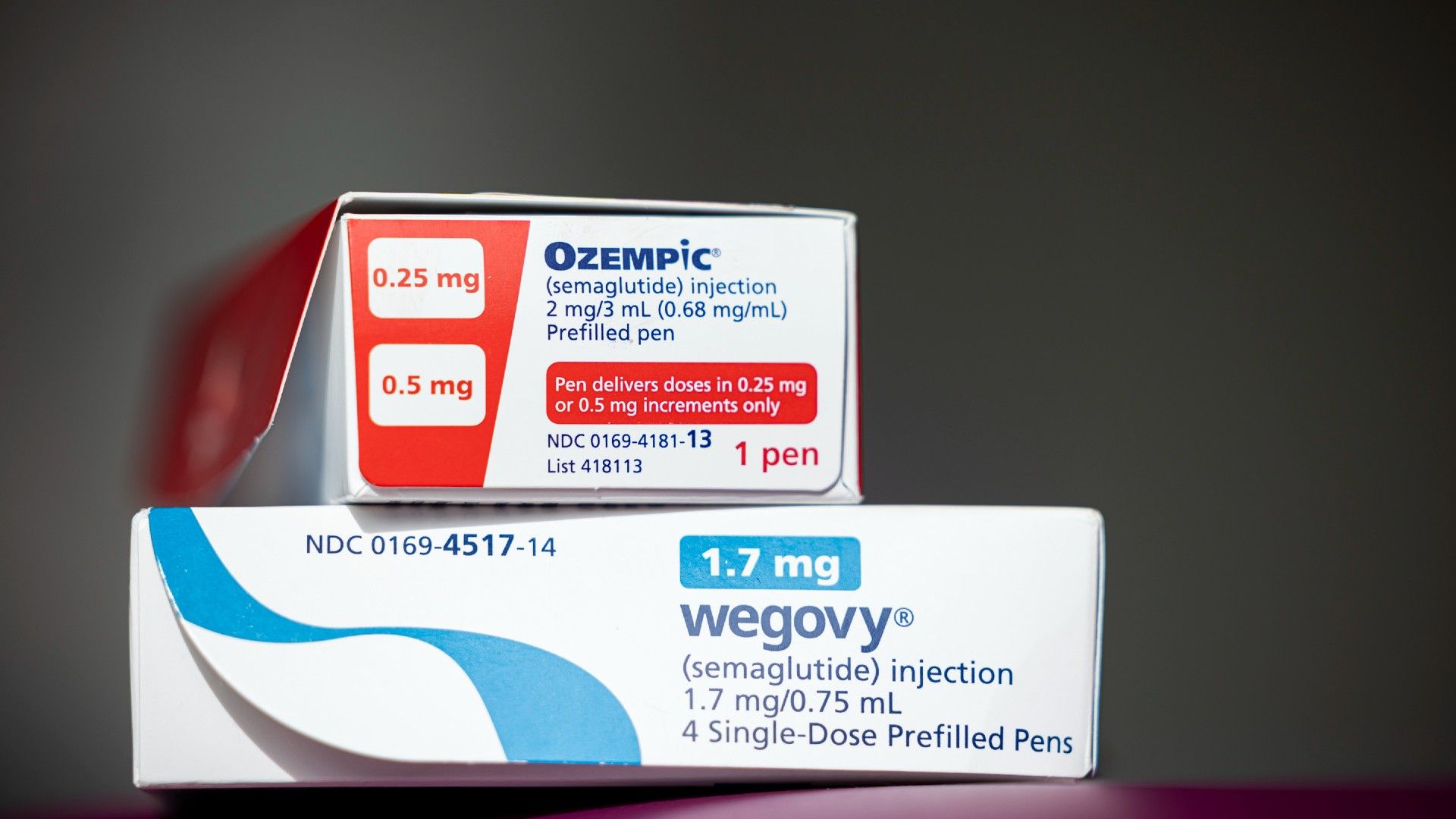
A retrospective analysis of roughly 450 singleton pregnancies in the Mass General Brigham system (2016–2025) of people who used GLP-1 receptor agonists within three years before to 90 days after conception found higher rates of preterm delivery, gestational diabetes and hypertensive disorders versus BMI-matched nonusers; treated patients averaged ~30 lb gestational weight gain versus ~23 lb for comparators, with 65% vs 49% meeting criteria for excessive gain. About 50% of users stopped the drugs within six months of conception; the study—published in JAMA on Nov. 24—is observational and limited by potential confounding (notably lack of pre-treatment BMI comparisons) and thus signals risk rather than proving causation. The findings warrant closer clinical monitoring and further study and could eventually influence prescribing guidance and risk perceptions for GLP-1 manufacturers among women of childbearing potential.
Market structure: Expect modest redistribution of demand within endocrine/weight-loss ecosystems rather than an outright collapse. Large-cap incumbents (NVO, LLY) retain pricing power but face a modest risk premium on female-of-childbearing-potential cohorts; niche diagnostics and obstetrics service providers (e.g., Hologic) gain incremental volume and bargaining leverage for monitoring services within 6–18 months. Bond spreads and equity options vol for top GLP-1 makers could widen 10–30bps / 15–40% respectively on material regulatory headlines, while FX/commodity links are negligible.
Risk assessment: Key tail risks are regulatory label changes, class-action exposure, or guideline-driven coverage restrictions with low-to-moderate probability (10–25% over 12 months) but high financial impact (mid-single-digit revenue hit for a large GLP-1 player). Short-term (days–weeks) sensitivity centers on headline-driven flow; medium-term (3–12 months) on prescription trends and payer policy; long-term (12–36 months) on labeling and litigation outcomes. Hidden dependencies include company pregnancy registries, prescriber education programs, and insurer utilization management that can amplify or mute effects.
Trade implications: Favor small, option-based downside protection on market leaders and selective long exposure to diagnostics/women’s-health equipment names over 6–12 months. Implement relative-value plays (long monitoring/diagnostics, hedged short exposure to top GLP-1 names) sized conservatively (1–2% portfolio) and prefer 3–6 month put spreads to limit premium spend while capturing volatility spikes. Use quarterly sales-mix prints and FDA notices as near-term trade gates.
Contrarian angles: Consensus may overstate permanent demand destruction; historical pharma safety scares often cause short-term share loss but long-term normalization once mitigation measures exist. The market could underprice durable upside for diagnostics/telehealth vendors that capture incremental prenatal monitoring revenue—these are likely underowned and can outperform by 15–30% if payers accept additional screening. Watch for unintended outcomes: tighter prescribing rules could push manufacturers toward male-heavy marketing or new indications, restoring growth within 12–24 months.
AI-powered research, real-time alerts, and portfolio analytics for institutional investors.
Request DemoOverall Sentiment
neutral
Sentiment Score
-0.05
