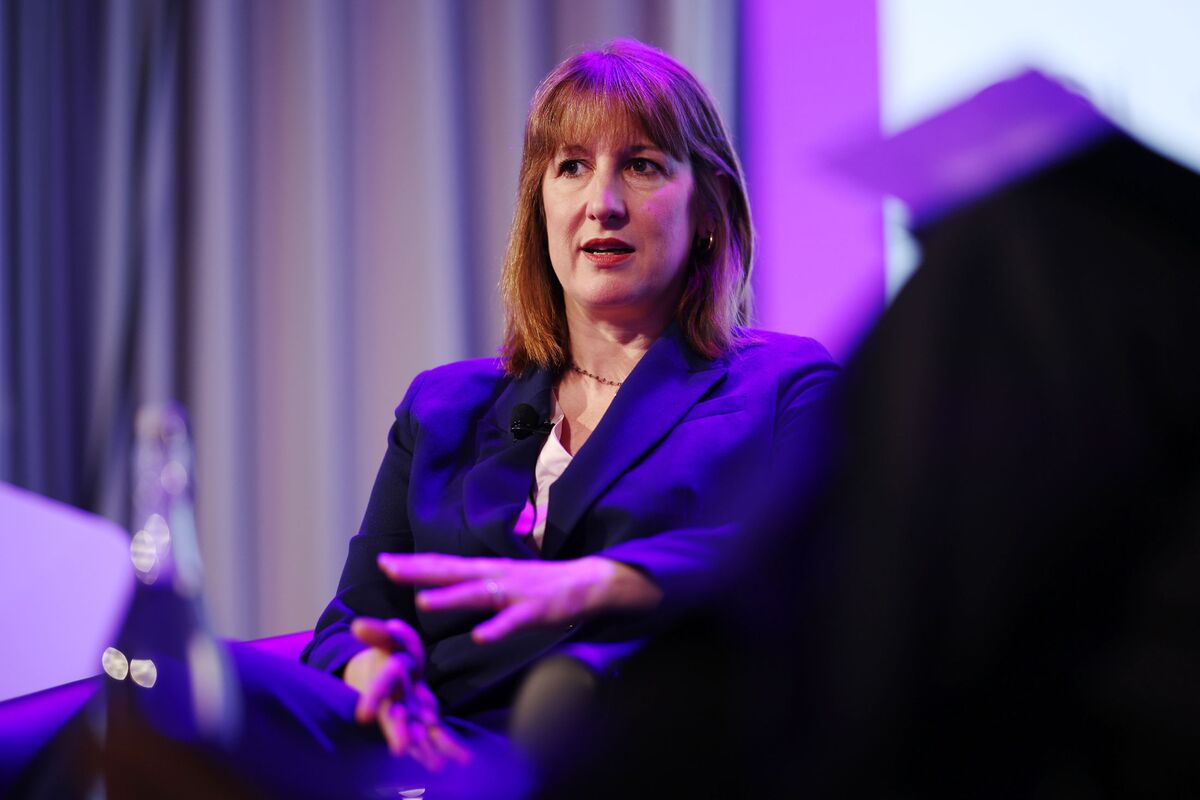
UK Chancellor Rachel Reeves has informed Bank of England Governor Andrew Bailey that the government's upcoming November budget will prioritize measures to reduce inflation, which she stated is "too high." This official correspondence, mandated due to inflation exceeding the 2% target by more than one percentage point, signals a concerted government effort to address persistent cost pressures.
The UK Chancellor of the Exchequer, Rachel Reeves, has formally communicated to the Bank of England (BOE) that the government's forthcoming November budget will prioritize measures to combat inflation. This correspondence was triggered by inflation remaining more than one percentage point above the 2% target, a mandatory reporting threshold. By stating that inflation is "too high" and that the government will do everything in its power to lower costs, the Chancellor is signaling a significant shift towards potential fiscal tightening. This proactive stance suggests an alignment of fiscal policy with the BOE's monetary policy objectives, a coordinated approach that markets may interpret as a more aggressive and credible strategy for restoring price stability. The focus on the November budget as the timeline for action sets a clear catalyst for market participants to watch, potentially influencing expectations for government spending, taxation, and the future path of interest rates.
AI-powered research, real-time alerts, and portfolio analytics for institutional investors.
Request DemoOverall Sentiment
mildly positive
Sentiment Score
0.15
