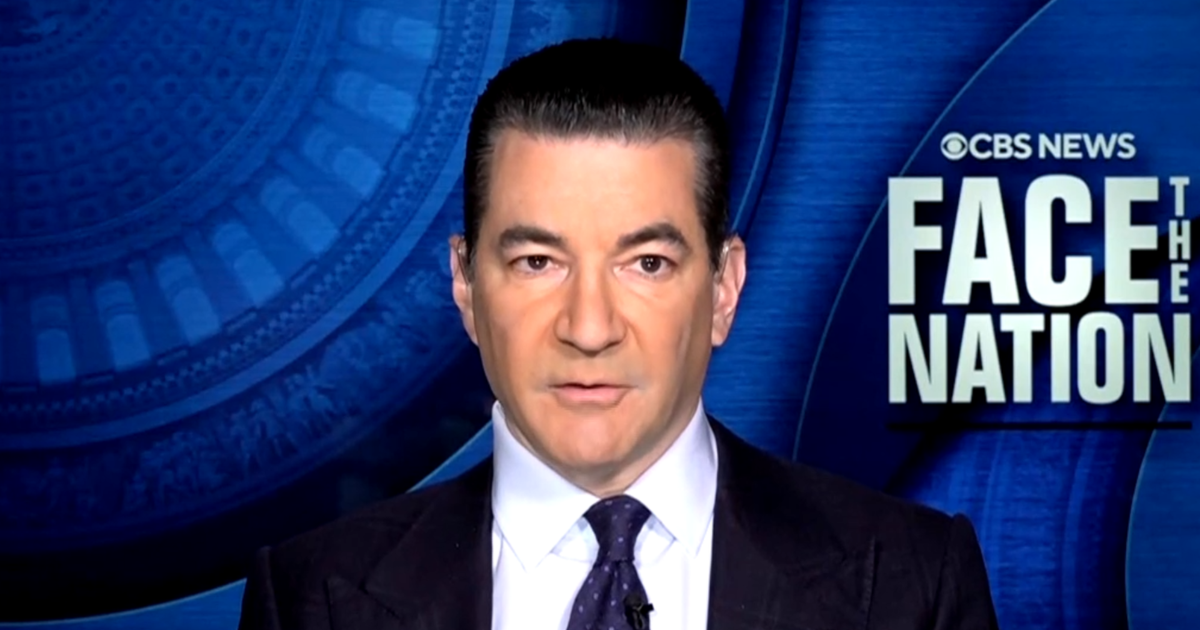
Measles outbreaks in the U.S. are expanding amid declining pediatric vaccination rates, with about 900 cases reported in South Carolina and roughly 750 cases nationally so far this year versus ~2,000 last year; pockets of vaccination are as low as ~70% (Alaska ~81%, some outbreak states ~88%) versus herd immunity estimated at ~95%. Interviewee Scott Gottlieb warns of a prolonged, generational resurgence tied to post‑COVID vaccine hesitancy and political influence from HHS leadership, noting related outbreaks (Arizona ~250, Utah similar) and rising risk for other vaccine‑preventable diseases; implications are primarily public‑health and policy risk, with limited near‑term direct market impact but potential downstream effects on vaccine demand, healthcare providers and insurers. Dr. Gottlieb's board roles at Pfizer and UnitedHealth are noted, underscoring sectoral relevance rather than immediate corporate financial developments.
Market structure: Rising measles/childhood‑vaccine outbreaks create predictable near‑term demand for catch‑up MMR and DTaP doses concentrated in public health channels and pediatrics. Vaccine manufacturers (MRK, PFE) and contract manufacturers/sterile-fillers gain pricing and volume upside in the next 3–12 months; schools, state health budgets and insurers (UNH) face higher utilization and one‑off costs. Providers or consumer brands tied to “anti‑vax” sentiment could see countercyclical flows away from them as outbreaks intensify.
Risk assessment: Tail risks include a political/regulatory flip — state-level rollback of school mandates or sustained anti‑mandate legislation — which could structurally depress routine pediatric demand over years (low probability, high impact). Near term (days–weeks) market reactions should be muted; medium term (3–9 months) is when catch‑up vaccination programs and supply chain constraints (manufacturing lead times 3–9 months) drive revenues. Hidden dependencies: state mandate changes, CDC emergency declarations, and manufacturer capacity (cold‑chain, fill/finish) will determine cadence.
Trade implications: Favor selective vaccine exposure: capture 3–12 month catch‑up demand while sizing for political volatility. Use defined‑risk option structures to lever expected volume spikes around school season and outbreak declarations; avoid long‑only exposure without hedges because policy headlines can move sentiment abruptly. Monitor CDC weekly case counts and 3 state public‑health emergencies as execution triggers.
Contrarian angle: Consensus frames anti‑vax as a long‑term secular headwind; historically outbreaks drive sharp catch‑up spikes (1990s precedent) that create 6–18 month revenue windfalls for incumbents. Market may be underpricing the operational leverage from one‑time mass catch‑up campaigns and procurement from state programs; downside is concentrated political risk tied to personnel/policy (HHS messaging) rather than fundamentals.
AI-powered research, real-time alerts, and portfolio analytics for institutional investors.
Request DemoOverall Sentiment
mildly negative
Sentiment Score
-0.25
Ticker Sentiment
