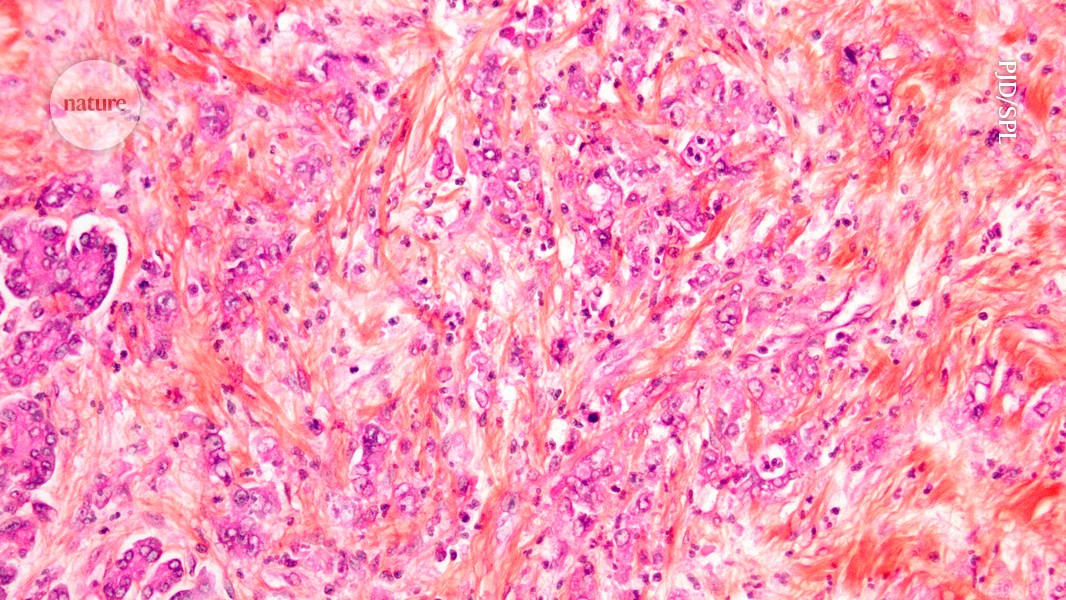
The first clinical trial of a KRAS-targeting degrader has shown signs of success, and four large trials of a multi-mutant KRAS inhibitor are underway with initial readouts expected in the coming months. While these advances renew hope for treating KRAS-driven cancers, researchers caution resistance mechanisms persist and these agents are unlikely to be curative alone, implying future value if combined into multi-drug regimens.
A successful transition from single-site KRAS inhibition to targeted degradation would re-price platform IP and shift where value accrues in oncology: platform owners of E3-ligase ligands and PROTAC-like chemistry become strategic choke points, while one-off small-molecule incumbents face obsolescence for certain indications. Expect a pronounced two-stage market response — an immediate rerating of platform-exposed biotechs on positive mechanistic readouts (weeks–months) and a slower, larger reallocation of oncology R&D budgets and M&A (12–36 months) as large pharmas chase licensing or buyouts to secure E3/PROTAC toolkits.
Second-order beneficiaries include CROs and specialized CDMOs that run longer, more complex combo trials and develop new assays for degradation biomarkers; their revenue is sticky and less binary than small-cap discovery plays. Main tail risks are mechanism-specific: tissue-specific E3 expression, unanticipated off-target proteolysis, or emergence of escape mechanisms that could make degraders another short-lived modality — any of which would trigger rapid multiple compression across the small-cap, platform-heavy cohort.
Near-term catalysts worth tracking with tight timelines are early combo readouts and safety signals from first-in-class degrader trials (weeks–months) and patent filings/licensing announcements (months–quarters). A pragmatic deployment: treat platform-exposed equities as binary event bets sized for asymmetric outcomes, while increasing exposure to the service layer (CRO/CDMO) to capture secular trial complexity even if individual molecules fail.
AI-powered research, real-time alerts, and portfolio analytics for institutional investors.
Overall Sentiment
mildly positive
Sentiment Score
0.22
