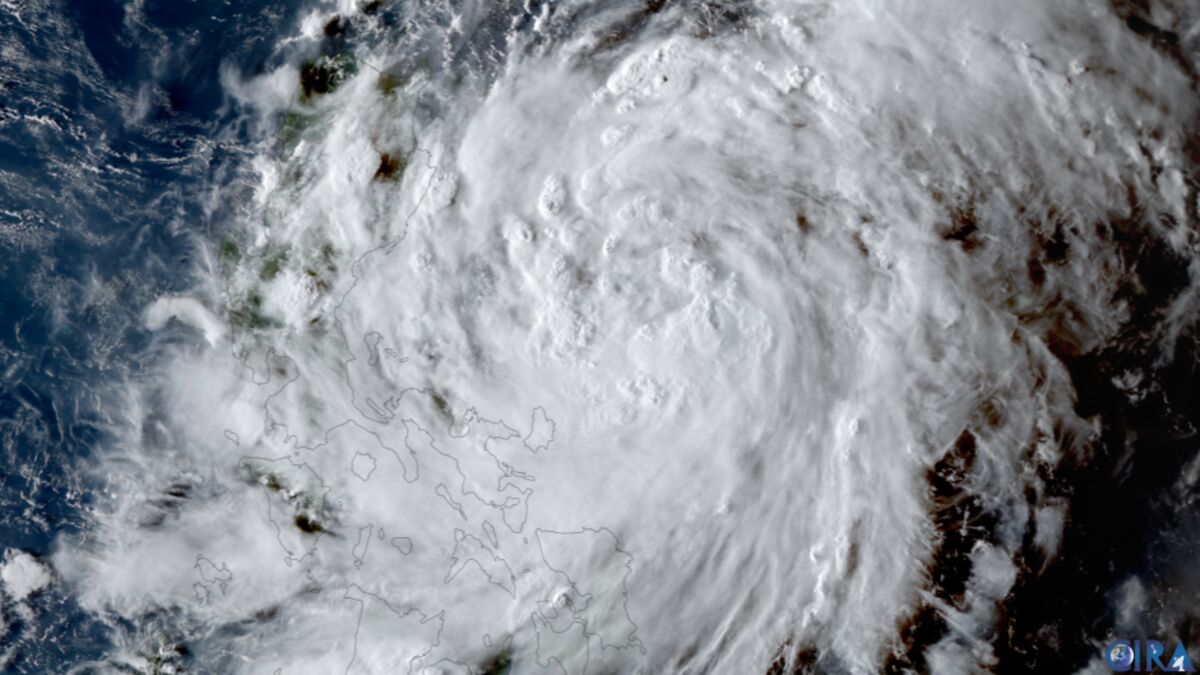
Typhoon Matmo has intensified and made landfall in the northern Philippines with sustained winds of 130 km/h, bringing heavy rain to a region still recovering from two recent typhoons, before tracking towards China. This event signals potential for significant economic disruption, infrastructure damage, and increased insurance claims across affected areas in both countries.
Typhoon Matmo has intensified upon making landfall in the northern Philippines, presenting a significant and compounding risk to the region. The typhoon carries maximum sustained winds of 130 km/h and is expected to deliver heavy rainfall to an area already weakened by two recent deadly typhoons, increasing the probability of severe infrastructure damage, agricultural losses, and widespread economic disruption. The storm's trajectory towards China extends the geographic scope of this risk, posing a potential threat to coastal economic zones and key supply chains. The succession of these weather events points to a heightened likelihood of substantial insurance and reinsurance claims originating from the region, which could pressure the earnings of exposed underwriters. The overall negative sentiment reflects the direct physical and economic threat, with the moderate market impact score suggesting the event's consequences are, for now, considered regional rather than systemic.
AI-powered research, real-time alerts, and portfolio analytics for institutional investors.
Request DemoOverall Sentiment
strongly negative
Sentiment Score
-0.70
