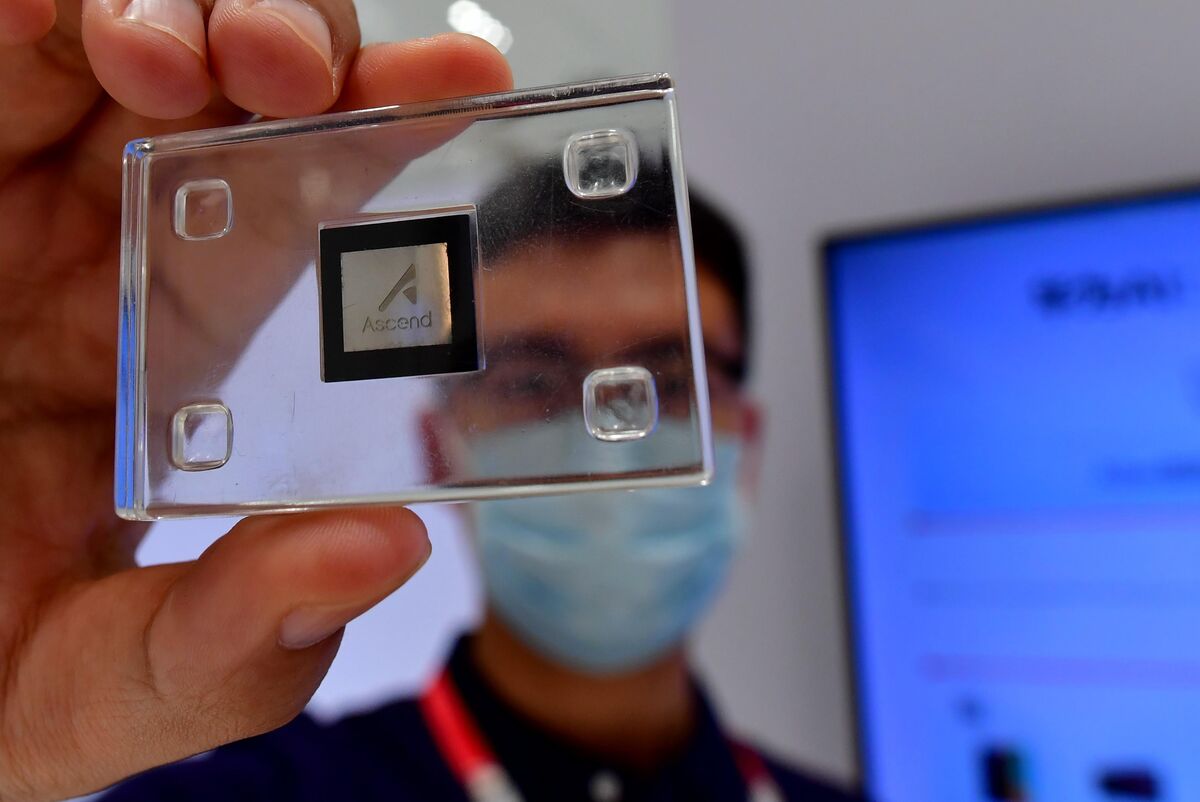
Teardowns by TechInsights have revealed that Huawei's advanced Ascend 910C AI processors utilize components from leading Asian technology firms, including Taiwan Semiconductor Manufacturing Co. (TSMC), Samsung Electronics Co., and SK Hynix Inc. This finding highlights China's continued reliance on foreign hardware for its high-end AI chip development, despite ongoing national initiatives to bolster domestic semiconductor production capabilities.
A teardown analysis by research firm TechInsights reveals that Huawei's advanced Ascend 910C AI processors incorporate key components from non-Chinese suppliers, specifically Taiwan Semiconductor Manufacturing Co. (TSMC), Samsung Electronics Co., and SK Hynix Inc. This finding critically underscores China's continued dependence on foreign hardware for its high-performance computing ambitions, despite a national strategic push for semiconductor self-sufficiency. The presence of these components in a flagship AI product highlights the persistent technology gap and the intricate, often resilient nature of the global electronics supply chain, even amid significant geopolitical and trade policy tensions. For suppliers like TSMC, this signifies ongoing demand from a major Chinese client, a factor reflected in the slightly positive sentiment score (0.4) for its stock, though this business is inherently exposed to regulatory and geopolitical risk.
AI-powered research, real-time alerts, and portfolio analytics for institutional investors.
Request DemoOverall Sentiment
mixed
Sentiment Score
0.00
Ticker Sentiment
