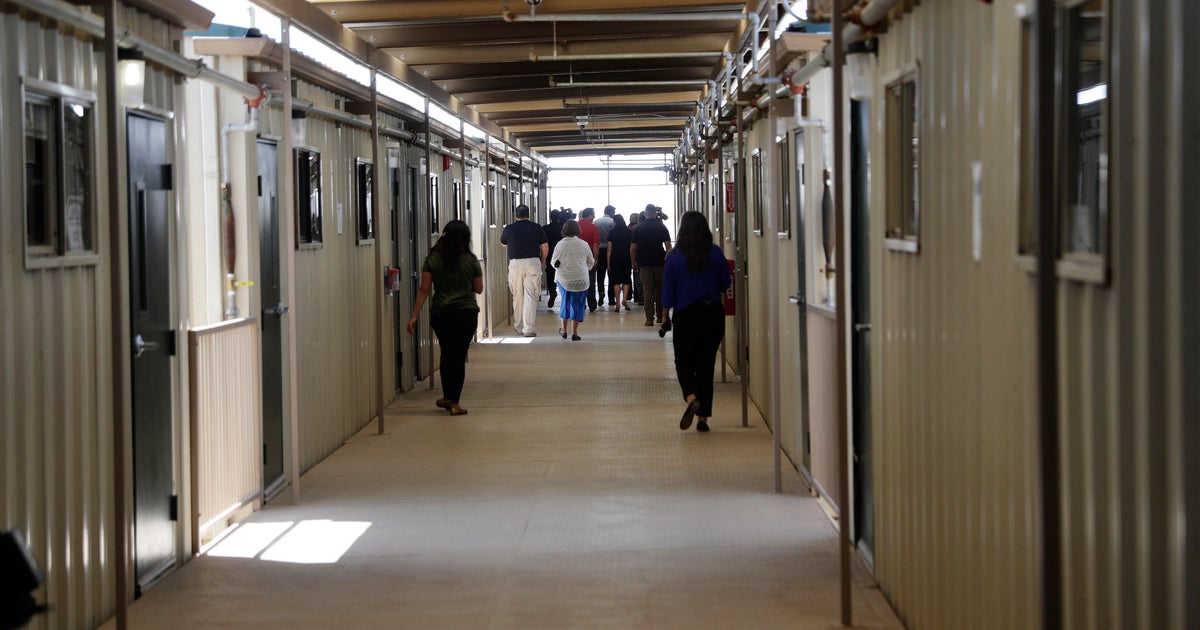
U.S. Immigration and Customs Enforcement halted all movement and quarantined families at the Dilley Immigration Processing Center after medical staff confirmed two active measles infections; ICE says contacts are being monitored and provided care. The cases arrive against a 2025 backdrop of more than 2,200 U.S. measles cases (762 in a West Texas outbreak with two child deaths and 99 hospitalizations) and amid heightened scrutiny of ICE detention operations — Dilley recently held a high-profile family released by court order. Operational disruption, reputational risk, and potential legal/inspection consequences are the primary implications; there is limited direct market impact but increased regulatory and litigation risk for detention-policy stakeholders.
Market structure: Outbreaks in detention centers create small but concentrated winners (vaccine manufacturers and pediatric-care providers) and losers (private detention operators and local county services). Expect a modest revenue tailwind for vaccine suppliers (MRK) and incremental admissions for regional pediatric hospitals (HCA) over weeks-months, while GEO and CXW face reputational, occupancy and contract-risk pressure that can reduce EBITDA margins by mid- to high-single digits if inspections/closures follow.
Risk assessment: Tail scenarios include a large public-health escalation or CDC emergency declaration that forces mass release/inspections — a 20–40% drop in private-detention occupancy or $100m+ litigation hit to contractors is plausible over 3–12 months. Near-term (days) volatility is operational/legal; short-term (weeks) risks center on confirmed-case counts and court rulings; long-term (quarters) hinge on federal policy (DHS/appropriations) and state budget reallocations that could crowd out other municipal spending.
Trade implications: Direct tactical plays include short exposure to GEO/CXW (stocks or 60–120 day put spreads) and a defensive long in MRK (3–6 month call spread) or selective long in HCA to capture admissions upside. Pair trade: short GEO vs long HCA to isolate policy/occupancy risk; use 30–90 day option structures to limit capital and timebox event risk.
Contrarian angles: Consensus that all detention contractors will collapse is premature — if administration increases enforcement volumes, occupancy could rise, making short positions crowded and risky. Monitor DHS detention counts, ICE contract awards, and county measles case trajectories; if measles cases exceed 5,000 nationally or Dilley-related litigation advances in 30–90 days, re-rate positions accordingly.
AI-powered research, real-time alerts, and portfolio analytics for institutional investors.
Request DemoOverall Sentiment
moderately negative
Sentiment Score
-0.35
