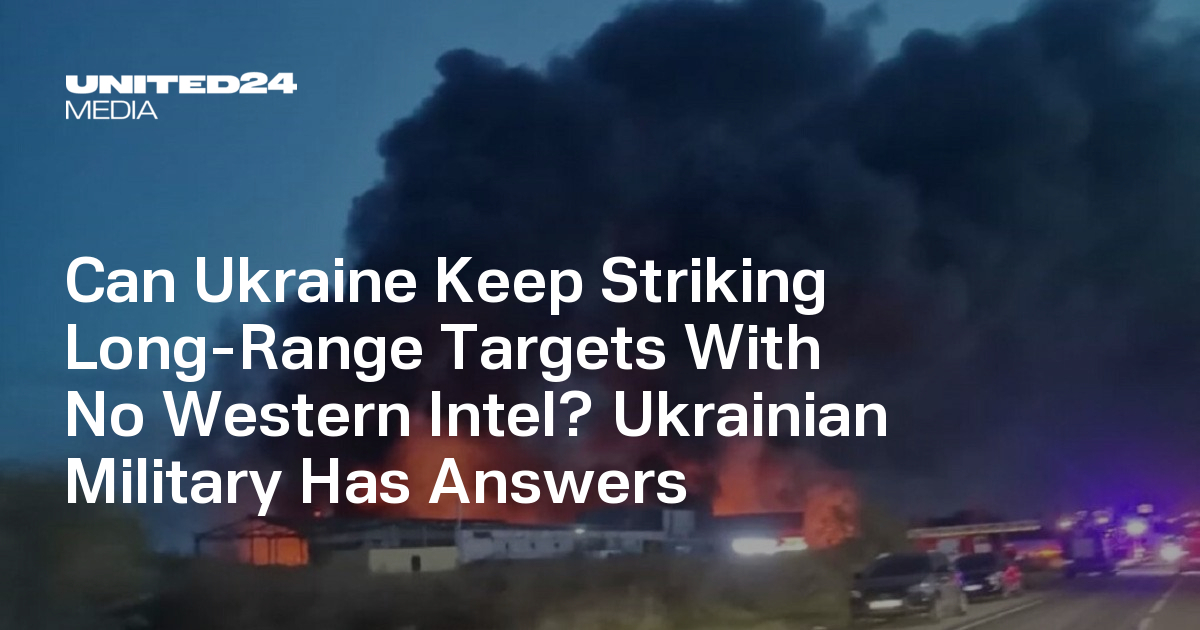
Ukrainian officers at a Fire Point briefing said that loss of Western intelligence would ‘critically’ reduce but not halt Kyiv’s precision long‑range strikes because external real‑time data is key for identifying, verifying and tracking high‑value targets; without it mission planning would slow, become more resource‑intensive and carry higher risks. Ukraine has developed domestic reconnaissance, drone surveillance (including Fire Point systems) and analytical capabilities that can partially compensate and sustain operations at reduced efficiency, and officials note they have continued strikes during periods of limited external data. Separately, the SBU reported that Ukrainian drones struck over 160 Russian oil sites in 2025, cutting refinery output by 37% and contributing to fuel shortages across 57 regions, prompting Moscow to ban gasoline exports through year‑end.
At a Fire Point briefing Ukrainian officers said interruption of Western intelligence would "critically reduce" but not stop Kyiv’s precision long-range strikes because external real-time data is key to identifying, verifying and tracking high-value Russian targets; officers emphasized that Western feeds enable mission planning that minimizes personnel and equipment losses. A special-operations representative noted that without external data units would "struggle to generate reliable target information," making targeting slower and more resource-intensive.
Ukrainian personnel told the briefing that domestic reconnaissance, drone-based surveillance and analytical systems — including Fire Point drones with onboard surveillance — can partially compensate and have sustained operations during periods of reduced external data; however, officials warned these measures produce reduced efficiency, slower targeting cycles and higher operational risk. The commentary frames Ukraine as adaptable but less precise and slower without Western ISR.
The Security Service of Ukraine reported that drones struck over 160 Russian oil infrastructure sites in 2025, cutting refinery output by 37% and creating fuel shortages across 57 regions, which led Moscow to ban gasoline exports through year-end; this feeds direct upward pressure on regional fuel prices and supply-chain disruption. The article’s moderately negative, volatile tone and market-impact score 0.6 indicate elevated near-term energy-market volatility and sustained geopolitical risk for infrastructure and defense-related sectors.
AI-powered research, real-time alerts, and portfolio analytics for institutional investors.
Request DemoOverall Sentiment
moderately negative
Sentiment Score
-0.45
