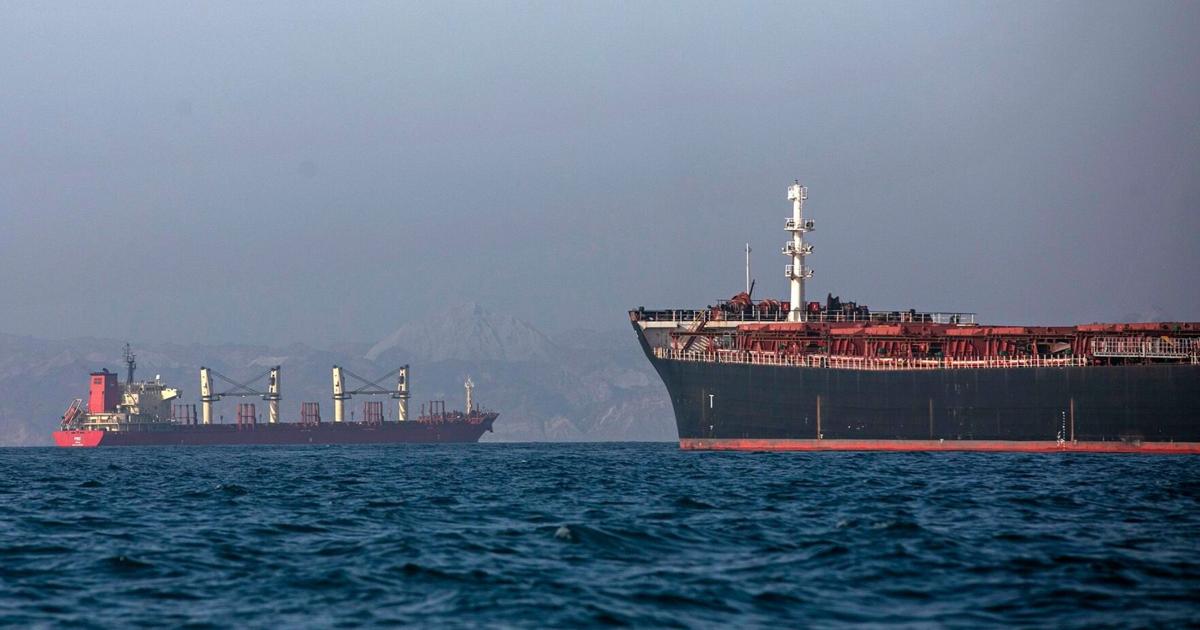
Wholesale motor oil prices are surging, with industry groups warning of imminent shortages of low-viscosity grades such as 0W-16, 0W-8 and 0W-20. ILMA says the U.S. could run out of Mideast Gulf-origin Group III base oil by June, as the Strait of Hormuz shutdown and damage to Gulf facilities tighten supply. The disruption is likely to raise consumer maintenance costs and ripple through auto service, retail, and lubricant supply chains.
This is less a broad oil-price story than a localized scarcity event in a niche but mission-critical input. The market is mispricing the second-order effect: once the preferred low-viscosity grades become tight, retailers and installers will not simply pass through higher prices evenly — they will reallocate supply toward high-throughput channels and higher-margin accounts, leaving smaller independents to ration, substitute, or lose customer traffic. That creates an operating leverage tailwind for scaled service networks with procurement power and inventory depth, while smaller jobbers and independent service bays face both volume loss and working-capital stress.
The more interesting trade is not upstream energy, but the spread between branded service chains and parts retailers. If consumers delay preventive maintenance, near-term ticket sizes can rise while unit volumes soften; over a 1-2 quarter window, chains with guaranteed supply can capture share from independents, but if the shortage persists into late summer, elasticity bites and customers defer nonessential services altogether. That argues for a bifurcated outcome: large, centralized operators likely defend revenue better than do-it-yourself and wholesale-distribution channels that rely on commodity availability.
The core risk is policy-induced reversal rather than demand destruction. Emergency base-oil licensing, route waivers, or a diplomatic thaw could normalize supply faster than the market expects, compressing the shortage premium within weeks. Conversely, if Asian refiners keep prioritizing diesel/jet margins, the motor-oil squeeze can persist through year-end; the key variable is not crude itself, but the opportunity cost of base-oil molecules versus distillates. The contrarian view is that headline shortage anxiety may be overstated for end-consumers, but underappreciate margin pressure in the distribution layer where inventory turns, freight, and packaging costs all reprice at once.
AI-powered research, real-time alerts, and portfolio analytics for institutional investors.
Request DemoOverall Sentiment
strongly negative
Sentiment Score
-0.75
Ticker Sentiment
