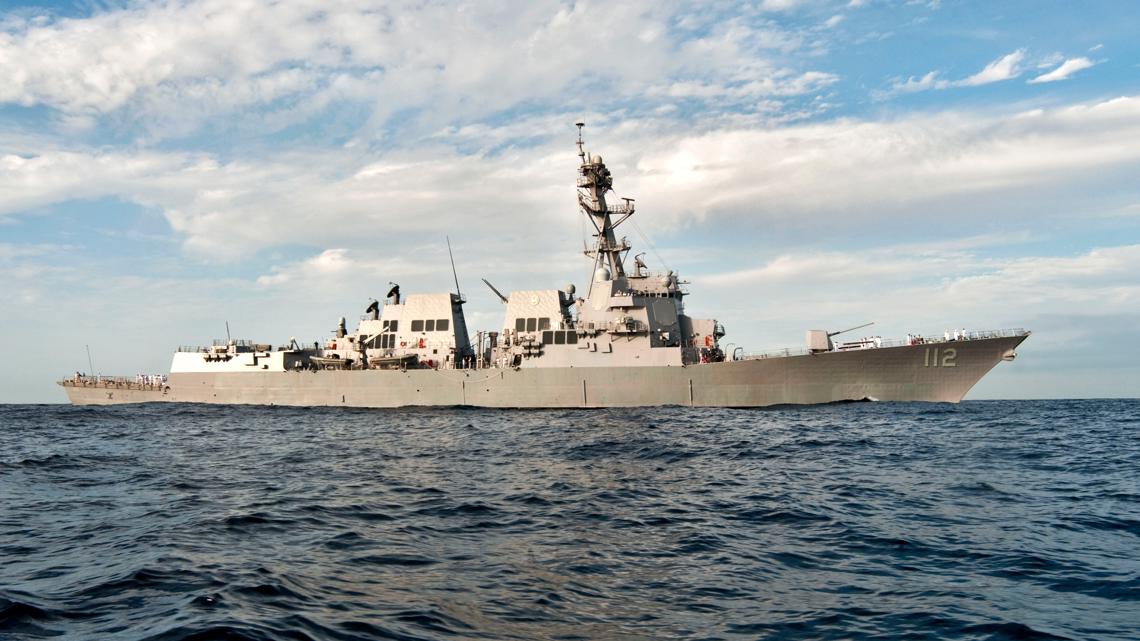
Two U.S. Navy destroyers began clearing a mine-filled path through the Strait of Hormuz, a critical route for roughly 20% of global crude oil flows. The operation underscores elevated geopolitical and shipping risk after Iran-linked disruption had already curtailed traffic through the strait and pushed fuel prices higher in some markets. Because the waterway is a key chokepoint for global energy transport, the situation has broad market implications for oil, freight, and regional risk assets.
This is less about the immediate optics of a naval sweep and more about restoring a credible risk premium to a choke point that had effectively turned into a strategic call option on global energy and freight. The first-order reaction should be a compression of the worst-case tail on tanker insurance, spot freight, and prompt crude, but the more durable effect is on inventory behavior: refiners, traders, and importers will likely de-risk by rebuilding buffers if passage looks even partially normalized, which can keep backwardation from collapsing too quickly even if headlines improve.
The second-order winner is not just crude producers, but any asset exposed to volatility surfaces: oil options sellers, tanker operators with floating exposure, and insurers/reinsurers can see unusually wide dispersion depending on whether traffic resumes in days or slips back into intermittent disruption. If the route remains only “technically open” but operationally fragile, the market will price a higher probability of episodic spikes, which is bullish for front-end energy volatility and for names with embedded commodity leverage but little operating leverage to congestion.
The key risk is a false de-escalation: one successful lane-clearing operation does not eliminate asymmetric retaliation, and any renewed incident could reprice barrels by several dollars in a single session. Over a 1-4 week horizon, the market may over-discount a durable reopening, but over 3-6 months the more important variable is whether diplomatic pressure restores shipping reliability enough to unwind precautionary inventories and insurance premia. If not, the real economic damage shifts from crude price to sustained logistics friction, which hurts import-dependent Asia and European chemicals/transport more than U.S. upstream.
AI-powered research, real-time alerts, and portfolio analytics for institutional investors.
Request DemoOverall Sentiment
moderately negative
Sentiment Score
-0.30
