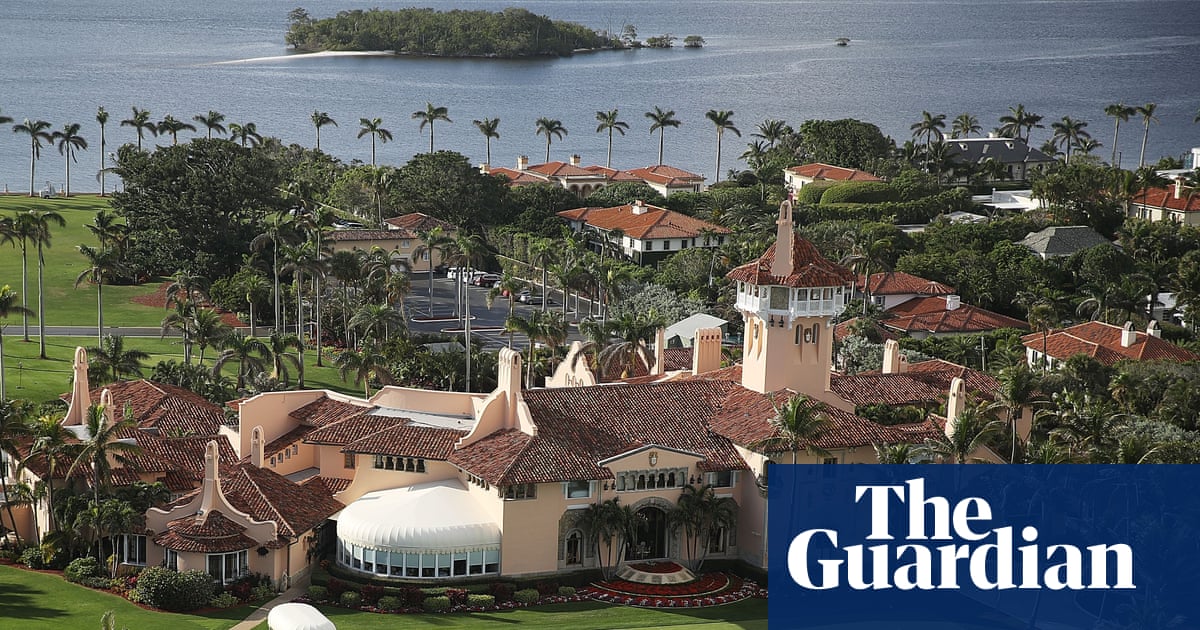
Democrats flipped Florida House District 87: Emily Gregory (D) defeated Republican Jon Maples in the special election, leading by more than 2 percentage points and overturning a seat the GOP won by 19 percentage points in 2024. The race — in the district that includes Mar-a-Lago — featured a Trump endorsement for Maples and Trump voting by mail; Democrats frame the result as evidence of voter frustration over rising costs and part of an alleged 29-seat flip since 2016. Minimal direct market impact, but the outcome could influence state-level healthcare and cost-related policy debates.
A narrow high-profile state-level swing increases the probability that state legislatures in competitive Sun Belt states will entertain incremental healthcare and public-health policy changes over the next 6–24 months. Mechanically, a handful of seats shifting control changes committee composition and budget negotiation leverage, turning previously blocked proposals (Medicaid eligibility tweaks, telehealth reimbursement parity, targeted university/public-health funding) from symbolic to actionable — each has concentrated, short-cycle revenue effects for local providers and payors.
Winners from this dynamic are not big-cap national drug names but operators exposed to state enrollment and reimbursement flows: managed-care plans with Medicaid product lines, hospitals with high uncompensated-care exposure, telehealth platforms that can scale state contracts quickly, and university/CRO ecosystems that capture incremental public R&D or procurement. Expect regionally concentrated mid-single-digit revenue uplifts within 9–18 months for exposed players if states move incrementally; procurement and grant awards typically land in 6–12 month windows.
Key reversal risks are immediate and measurable: a nationalized turnout swing or targeted GOP spending in the next 30–90 days can re-close margins before any policy is set, and federal action (CMS guidance or courts) can preempt state moves. Watch legislative calendars and committee chair appointments as binary catalysts — a single committee chair flip can accelerate or stall the tailwind.
The market is likely to overreact on optics but underprice execution risk. That argues for directional, event-driven sizing with explicit legislative/campaign triggers to add or hedge. If you’re looking for leverage, use calendar spreads around expected committee votes or state budget cycles rather than naked directional exposure to avoid headline noise in the next 60–120 days.
AI-powered research, real-time alerts, and portfolio analytics for institutional investors.
Request DemoOverall Sentiment
mildly positive
Sentiment Score
0.20
