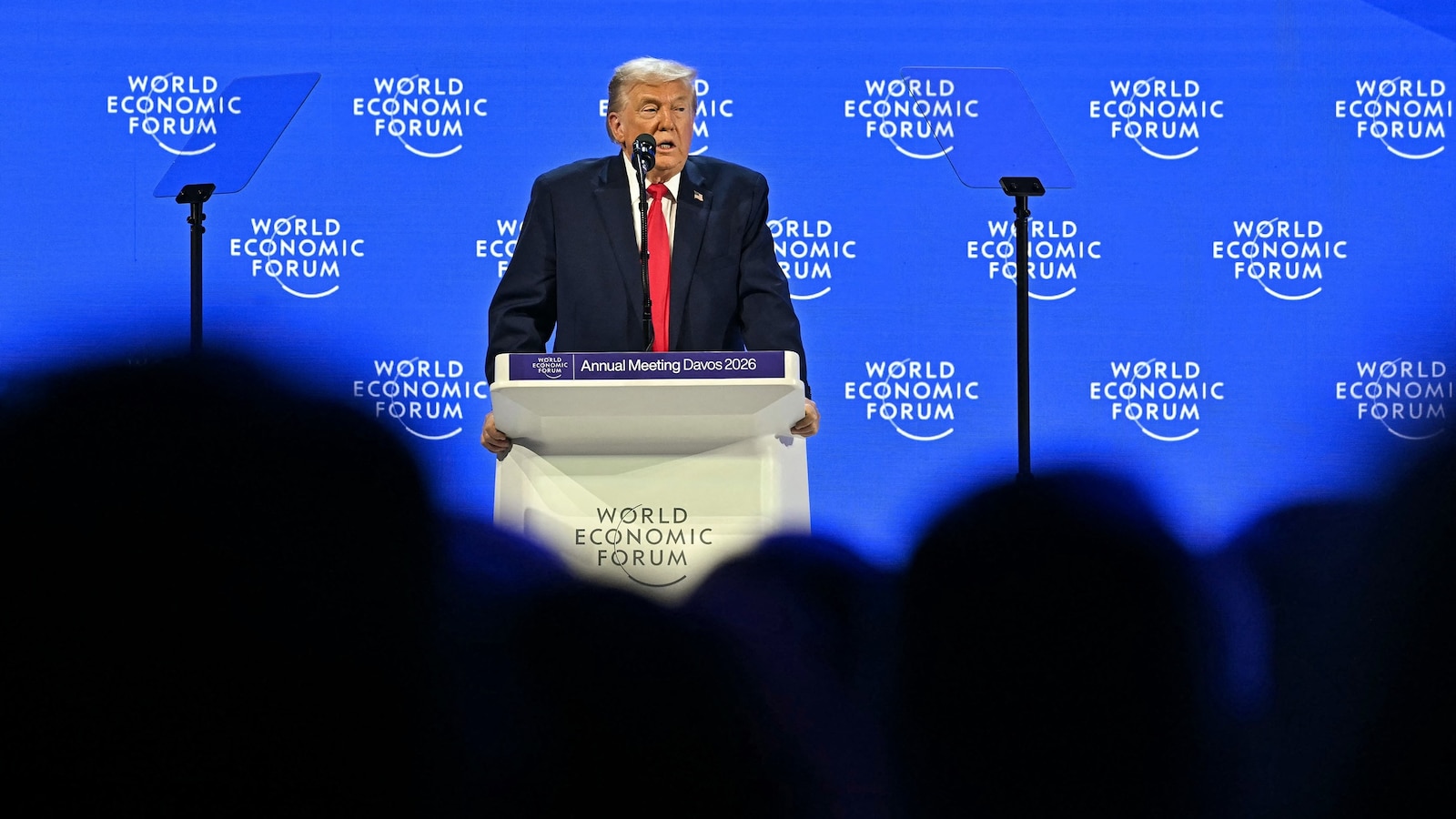
Speaking at Davos, President Trump said he would not use military force to acquire Greenland but is pursuing "immediate negotiations" to purchase the Danish territory and warned NATO allies who oppose the move. He announced tariffs on eight European countries—10% effective Feb. 1 rising to 25% on June 1—until the U.S. secures Greenland; Denmark and Greenland have rejected the proposal, raising bilateral diplomatic tensions and the prospect of trade friction that could pressure European exporters and heighten geopolitical risk.
Market structure: The immediate winners are U.S. defense primes (Lockheed, Northrop, Raytheon) and USD/safe-haven assets; clear losers are export‑heavy European industrials (auto, machinery) and regional travel/insurance pockets tied to Denmark/EU. Tariffs raise effective costs for EU exporters, compressing margins by an estimated 5–15% if a 25% tariff is applied on Feb–Jun timeline, shifting short‑term pricing power toward domestic suppliers and logisticians inside the U.S.
Risk assessment: Tail risks include a sustained trade war (25% tariffs on June 1), targeted sanctions or NATO fracturing — low probability but high impact for global growth and European credit spreads. Timeline tiers: immediate (days) = FX/volatility spikes into Feb 1; short (weeks–months) = re‑rating in European equity and credit; long (quarters–years) = increased Arctic/defense capex and resource exploration cycles.
Trade implications: Tactical plays are long U.S. defense equities/puts on European exporters, long USD and gold as hedges, and selective long exposure to Arctic energy/minerals names if policy concretes. Use 3–6 month option structures to express views around Feb 1 and June 1 tariff dates; rotate 3–5% portfolio weight from EU cyclicals into defense/commodities over the next 4–12 weeks.
Contrarian view: The Greenland acquisition is legally and politically unlikely — initial market rallies in defense names may be overbought within 2–6 weeks if no follow‑through; conversely, a >10–15% selloff in European exporters would create a mean‑reversion buying opportunity once tariff implementation risk is clarified.
AI-powered research, real-time alerts, and portfolio analytics for institutional investors.
Overall Sentiment
mildly negative
Sentiment Score
-0.25
