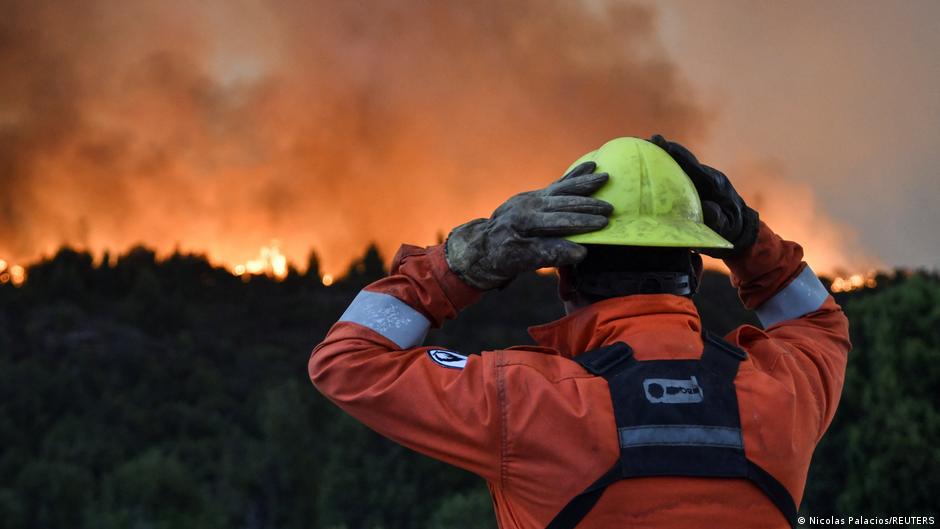
Global wildfire activity in 2026 is already running 50% above the average for this time of year and more than 20% above the previous record, with Africa alone seeing 85 million hectares burned versus a prior 69 million-hectare record. Researchers warn that a potentially strong El Nino later this year could intensify fire risk further, while wildfire smoke poses significant health risks via PM2.5 exposure. The article points to climate change and fossil fuel-driven warming as the main amplifiers, making this a broad risk factor for weather, health, and climate-sensitive sectors.
The immediate market read-through is not “more smoke,” but a shift in volatility regimes across agricultural, utility, insurance, and industrial input chains. A strong El Nino layered on top of wetter-then-drier hydroclimate swings tends to create asymmetric losses: upside for firms selling resilience, downside for asset-heavy operators with exposed land, labor, and logistics footprints. The biggest second-order effect is margin compression from simultaneous disruptions in crop yields, inland transport, and work stoppages, which can show up with a lag of 1-2 quarters as inventories roll through the system.
The more interesting trade is that this is a latent inflation impulse, not just a catastrophe headline. Fire-driven supply shocks can lift soft commodities, timber, and some metals processing costs while also raising regional power and insurance losses; that combination is usually bullish for inflation hedges and quality balance sheets, but bearish for consumer discretionary and small-cap industrials with low pricing power. If smoke exposure increases, expect a faster-than-usual policy response in air filtration, PPE, and hospital utilization, which creates a temporary demand spike for health-adjacent suppliers rather than broad healthcare.
Consensus is likely underestimating duration: El Nino is the catalyst, but the underlying compounding is hotter baselines and more brittle ecosystems, which means each extreme season leaves behind higher fuel loads for the next one. That suggests the trade is not a one-off event hedge, but a rolling seasonal volatility position that can persist through late 2026 if the weather pattern locks in. The main reversal would be an unexpectedly weak El Nino or a sharp policy-driven burn reduction, but neither fixes the structural setup quickly enough to remove near-term risk.
AI-powered research, real-time alerts, and portfolio analytics for institutional investors.
Request DemoOverall Sentiment
strongly negative
Sentiment Score
-0.70
