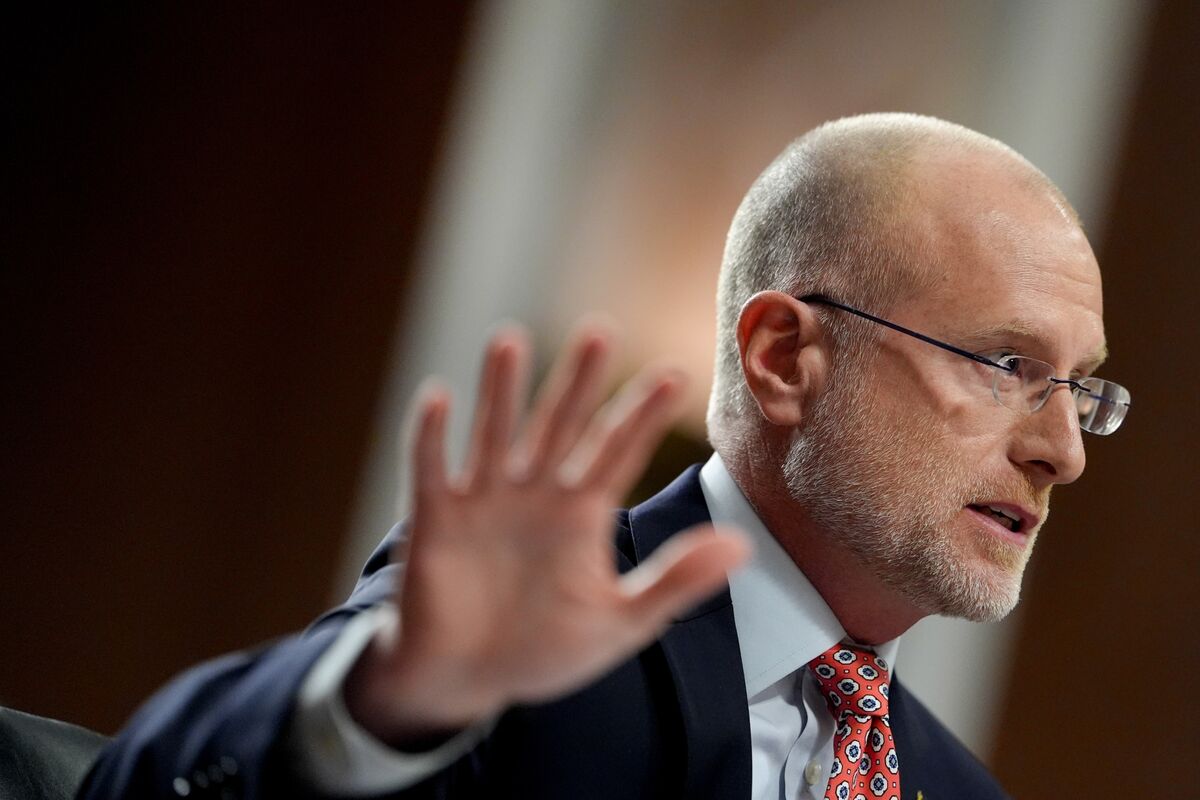
Senators Ted Cruz and Maria Cantwell sent a joint letter to FCC Chair Brendan Carr alleging he improperly allowed agency staff to green‑light Nexstar Media's merger with Tegna without a full commission vote and by waiving major anti‑consolidation rules. The inquiry raises regulatory and political risk for the deal, increasing the likelihood of a full FCC review or delay and creating sector-level implications for future media M&A approvals.
The situation has pushed the probability distribution for deal outcomes materially wider: near-term market moves should be driven by binary event risk (weeks–months) while the long-term outcome hinges on precedent-setting governance standards (quarters–years). If the deal faces substantial remedies or is unwound, the acquirer’s equity and credit can realistically see 30–50% downside from current levels because of dilution, financing resets and goodwill impairments; a negotiated remedy or conditional approval narrows the loss to ~10–20% as the equity price re-rates for reduced synergy capture.
Second-order winners and losers are non-obvious. Local broadcasters that avoid being folded into a larger group gain bargaining leverage on retransmission and political-ad pricing, which could lift free cash flow by 3–6% regionally; conversely, companies that financed the transaction with short-dated bridge loans face immediate refinancing risk and could see interest expense jump 200–400 bps, pressuring coverage ratios and forcing asset sales. Ad buyers and national political advertisers may delay commitments into Q3–Q4, creating a transient revenue cliff for local stations that will exacerbate short-term volatility.
A constructive contrarian: complete unwinds are historically rare when an agency can negotiate remedies, so the highest-probability market outcome is delay plus divestiture rather than outright rejection. That implies volatility is overpriced for short tenors but underpriced for multi-quarter tail risk; event-driven players should prefer asymmetric structures (short near-term vega, long multi-month protection) and look for catalysts — a formal docket hearing, a DOJ second request, or a financing amendment — that will re-price both equity and credit within a 30–120 day window.
AI-powered research, real-time alerts, and portfolio analytics for institutional investors.
Request DemoOverall Sentiment
mildly negative
Sentiment Score
-0.25
Ticker Sentiment
