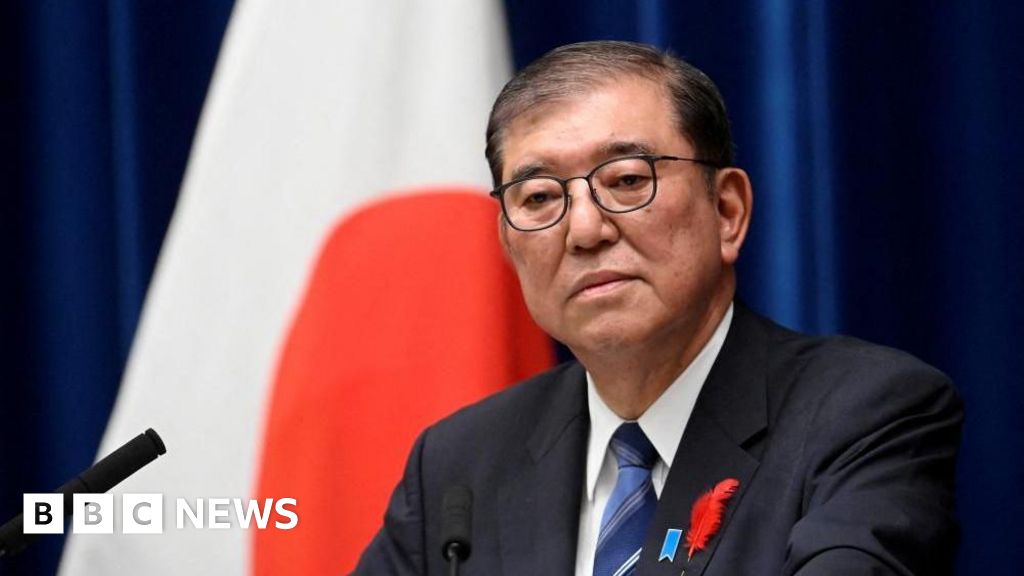
Japan's upper house election is a critical test for Prime Minister Shigeru Ishiba's ruling LDP-Komeito coalition, which needs 50 seats to maintain its majority but is polling short. This comes amid widespread public frustration over surging inflation and economic concerns stemming from US tariff threats on Japan's vital auto industry and weak export data, fueling recession fears. A failure to secure the majority could result in Ishiba losing control of both parliamentary chambers, threatening his leadership and ushering in political instability, particularly with the rise of the populist Sanseito party.
Japan is facing a period of heightened political and economic uncertainty centered on the upcoming upper house election. The ruling LDP-Komeito coalition is at risk of losing its majority, needing to secure 50 seats amid significant public discontent over domestic and external pressures. The primary economic headwinds include the threat of US tariffs on Japan's critical auto industry, which accounts for 8% of the nation's jobs, and recent weak export data that has stoked fears of a technical recession in the world's fourth-largest economy. Domestically, voter frustration is being fueled by sharp inflation, evidenced by the doubling of rice costs over the past year, and stagnant wages. A failure by Prime Minister Shigeru Ishiba's coalition to secure a majority would result in a loss of control over both parliamentary chambers, which historically has led to political gridlock and leadership challenges, as seen between 2007 and 2010. The political landscape is further complicated by the rise of the populist Sanseito party, whose 'Japanese First' platform signals a potential shift towards more nationalist and anti-globalist policies.
AI-powered research, real-time alerts, and portfolio analytics for institutional investors.
Overall Sentiment
strongly negative
Sentiment Score
-0.75
