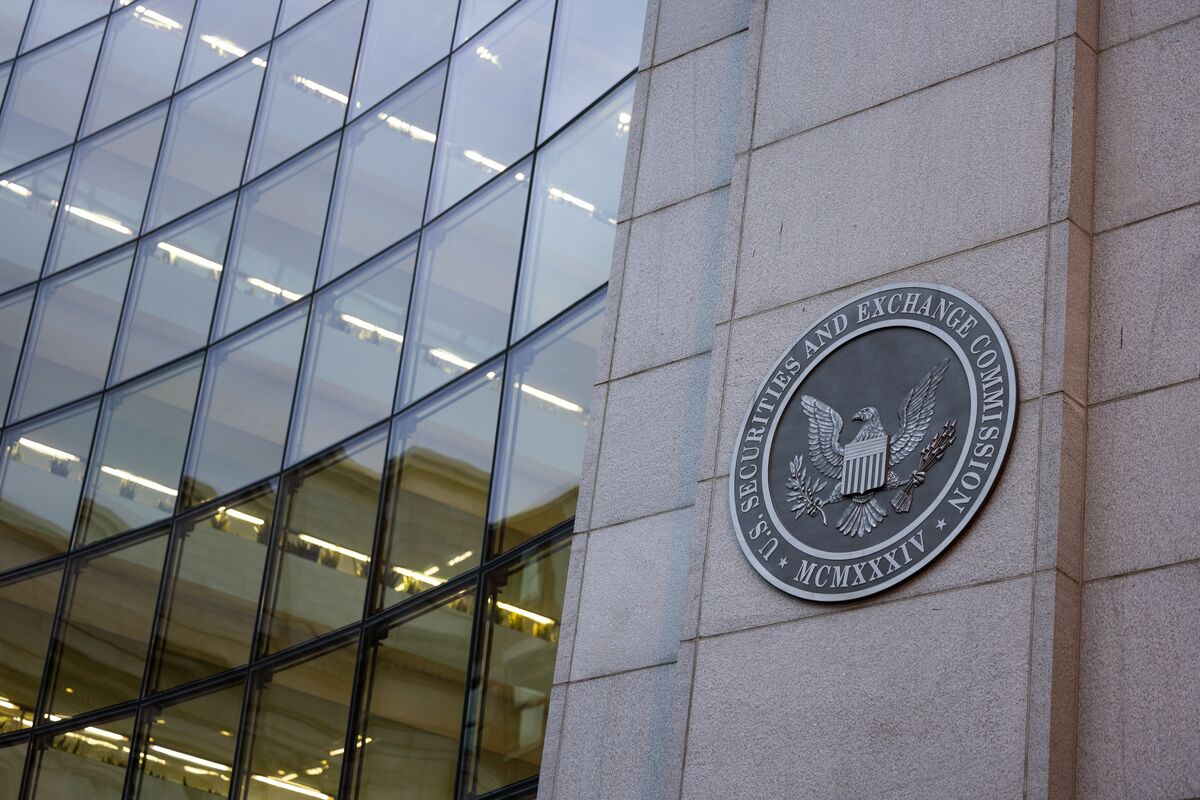
The SEC expressed doubts about Egan-Jones Rating Co.'s application to resume rating government debt and asset-backed securities, saying its filing and non-public information raise questions about the firm's financial and managerial resources and the integrity of its ratings. The small firm was banned from rating these products more than a decade ago; the SEC's stance makes regulatory approval uncertain and could delay or block Egan-Jones' re-entry into sovereign and ABS ratings.
The SEC’s skepticism effectively raises the fixed-cost barrier to entry for boutique CRAs; that is a durable competitive advantage for incumbents (S&P, Moody’s) because regulatory friction compounds scale benefits in compliance, litigation reserves, and market acceptance. Expect incremental pricing power for the majors in niche structured issuance where boutique opinions previously offered a lower-cost or contrarian view — I’d model a 10–30bp issuance spread premium in small-ticket ABS/securitizations over 3–9 months if Egan-Jones is kept out.
A second-order flow: asset managers and CDO trustees that accepted EJR opinions will face operational churn — forced re-ratings, supplemental opinions, or short-term re-documentation — producing localized selling in affected tranches and temporary liquidity squeezes in those corners of the ABS and muni markets. That creates tradeable dispersion: most broad credit indices won’t move, but idiosyncratic tranches tied to boutique ratings could gap wider by low-single-digit percentage points in price within days of a negative SEC ruling.
The main tail risk is legal/historical reputational damage becoming a regulator-wide stringency reset: if the SEC imposes capital/controls that replicate a de facto de-listing of small CRAs, consolidation accelerates over 12–24 months and incumbents capture recurring revenue upside; conversely, a pragmatic settlement or staged remediation could reverse spreads and leave boutique challengers intact. Watch procedural timelines — expect a public resolution or litigation filing within 3–9 months and any appeal to stretch outcomes into 12–24 months.
AI-powered research, real-time alerts, and portfolio analytics for institutional investors.
Overall Sentiment
mildly negative
Sentiment Score
-0.30
