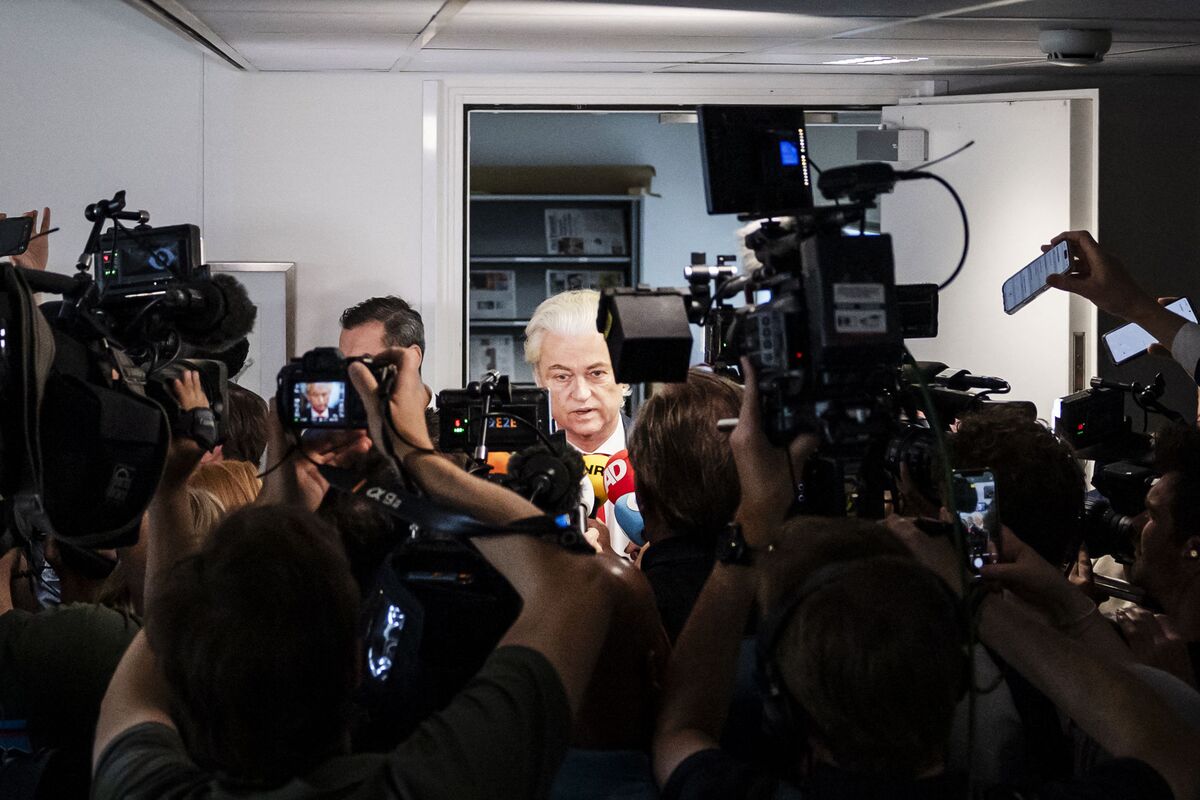
Geert Wilders' gamble to trigger the collapse of the Dutch government in hopes of gaining more power appears to be faltering, as his Freedom Party's lead over the GreenLeft–Labour alliance has narrowed. Wilders is losing support by alienating potential coalition partners and testing the patience of voters, potentially undermining his ambition to become the nation's dominant political figure.
Geert Wilders' strategic attempt to trigger the collapse of the Dutch government, aiming to secure a stronger political position, appears to be encountering significant headwinds. His Freedom Party is reportedly experiencing a decline in support compared to the previous election, and its lead over the GreenLeft–Labour alliance has notably narrowed. This faltering momentum is attributed to Wilders' alienation of potential coalition partners and increasing voter fatigue with ongoing political instability. While these developments introduce a degree of political uncertainty within the Netherlands, current data signals, including a sentiment score of -0.5 (moderately negative) and a market impact score of 0.1, suggest that broader financial markets perceive the immediate systemic risk or contagion from this specific domestic political event as minimal at this stage.
AI-powered research, real-time alerts, and portfolio analytics for institutional investors.
Request DemoOverall Sentiment
moderately negative
Sentiment Score
-0.50
