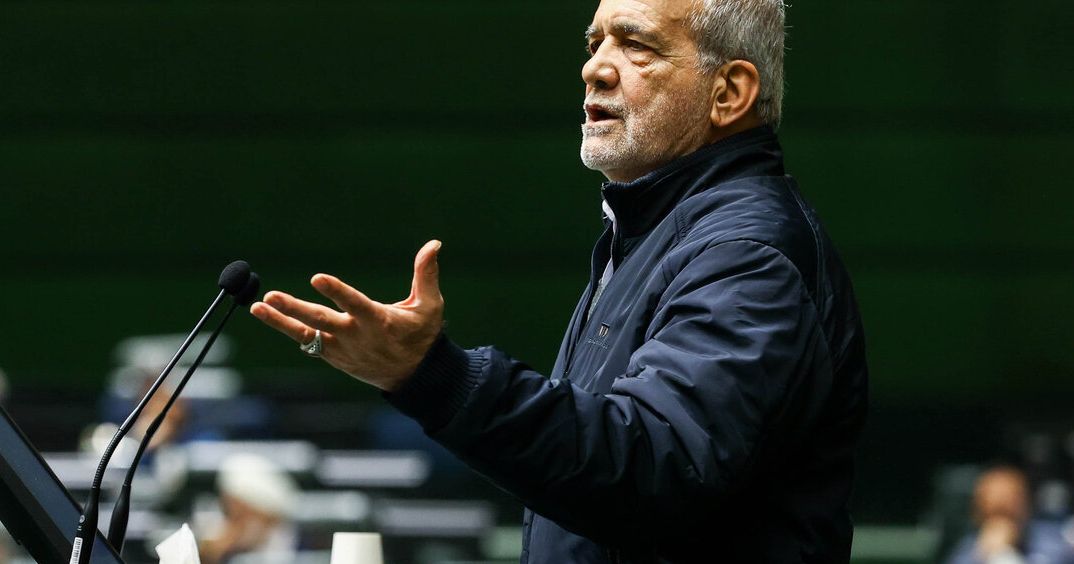
Missile and drone activity around the Strait of Hormuz and the UAE, plus disputed naval encounters, signals escalating regional risk and potential disruption to one of the world’s most important shipping chokepoints. Iran is framing transit as conditional on its control, while warnings of attacks on shipping and energy infrastructure raise the risk of higher oil and freight volatility. The situation could materially affect energy markets and global trade flows if access through the Strait is further constrained.
This is less about one-off kinetic risk and more about a regime change in maritime pricing power. If Tehran can credibly turn “permissioned transit” into the new baseline, the market should start discounting a persistent wedge in global freight, insurance, and working-capital costs even if actual tonnage disruption stays modest. The first-order move is obvious in energy, but the second-order winners are harder to own: firms with fleet optionality, rerouting capacity, and balance-sheet strength to absorb volatility, while highly levered importers and time-sensitive shippers get squeezed. The biggest near-term asymmetry is in risk premia, not spot fundamentals. A few days of elevated tension can re-rate front-end crude, regional CDS, and tanker insurance without materially changing global supply, which means the trade can overshoot before barrels are actually lost. That creates a cleaner setup in options than in outright equities: the market is likely to pay up for convexity until it sees either sustained naval enforcement or a diplomatic channel that restores predictable passage. The more interesting medium-term implication is inflation transmission. Even if oil retraces, higher freight and insurance costs can lag into delivered goods prices for weeks, hitting EM importers and transport-heavy sectors after the headline crude spike fades. Conversely, defense and cyber/ISR supply chains may get a durable budget tailwind if regional states treat this as a structural corridor-security problem rather than a temporary flare-up. Consensus may be underestimating how quickly commercial actors adapt to a semi-blockaded Strait by baking in longer routes, higher inventories, and contractual force-majeure language. That means the trade is not just “buy oil”; it is long volatility around Middle East logistics, with the sharpest pain likely showing up in companies that cannot pass through fuel and insurance costs within a single quarter.
AI-powered research, real-time alerts, and portfolio analytics for institutional investors.
Request DemoOverall Sentiment
strongly negative
Sentiment Score
-0.70
Ticker Sentiment
