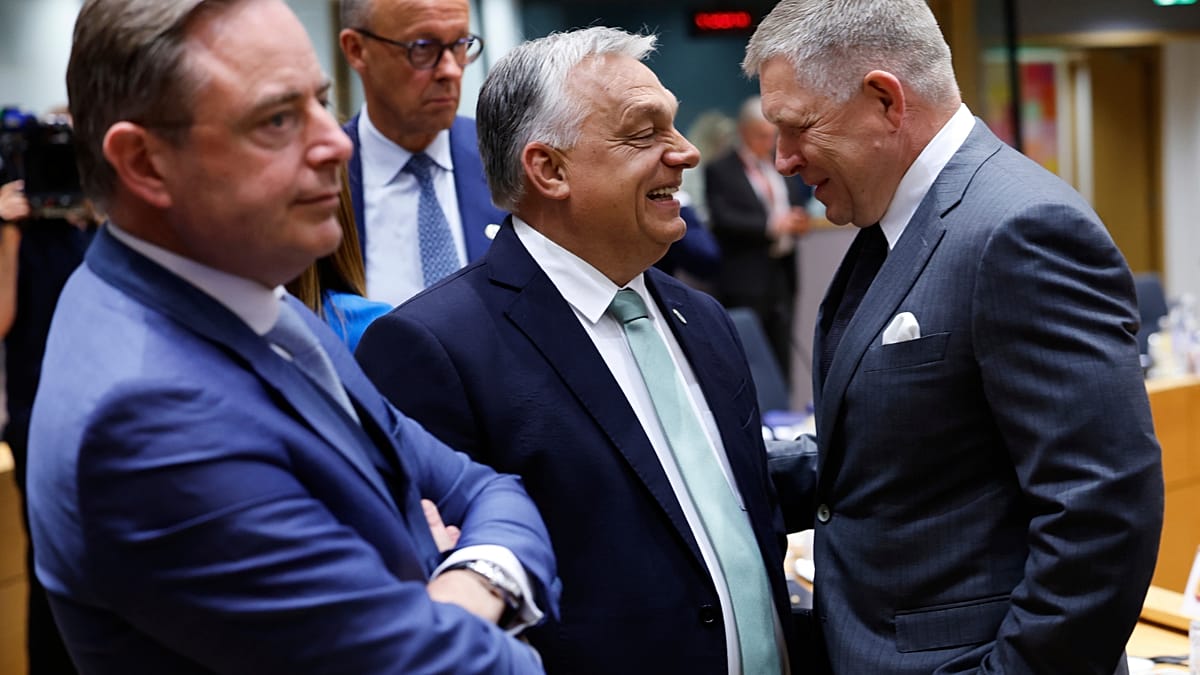
EU leaders head into a make-or-break summit facing three intertwined strategic tests: broker a more balanced role for Europe in Ukraine peace talks after a controversial US-Russia draft (with Kyiv preparing a streamlined 20-point plan that may trade NATO ambitions for security guarantees and even a suggested accession target of Jan. 1, 2027); decide whether to convert frozen Russian assets (roughly €210bn, about €185bn held in Belgium) into a €90bn reparations loan for 2026-27 amid Belgian resistance, legal risk and US pressure despite an Article 122 TFEU workaround; and rescue a 20-year-old Mercosur trade pact critical to diversifying trade against US tariff pressure, which is currently endangered by opposition from France, Poland, Hungary and others. The outcomes will shape the EU’s credibility on security, its ability to finance Ukraine without taxpayer exposure, and its trade/geopolitical posture versus an assertive US, China and Russia, with significant policy and market implications depending on whether consensus can be reached this week.
EU leaders enter a condensed, high-stakes summit where three interlinked decisions — Ukraine peace talks, a proposed reparations loan using frozen Russian assets, and the long-delayed Mercosur trade pact — will test the 27-member bloc's cohesion and international credibility over the coming four days. The meeting on Thursday is being framed by diplomats as potentially the most consequential since the 2020 joint debt programme, with no clear end-state and a real prospect of protracted negotiations.
Ukraine discussions in Berlin featured President Volodymyr Zelenskyy alongside a US delegation including Jared Kushner and Steve Witkoff after a contentious US–Russia draft raised fears of sidelining Europe; Kyiv plans a streamlined 20-point plan that may trade NATO aspirations for security guarantees and proposed a symbolic accession date of 1 January 2027, a move intended to shift leverage to the EU. The Commission insists accession must remain merit-based, highlighting political tension between symbolic commitments and procedural reform requirements.
On finances, the EU is split over converting roughly €210 billion in frozen Russian assets (about €185 billion in Belgium) into a targeted €90 billion reparations loan for 2026–27; Belgian Prime Minister Bart de Wever, backed by 63% domestic support, opposes the plan and Italy and others seek alternatives despite an Article 122 TFEU workaround and US pressure. Risks include legal challenges, Russian retaliation and the practical limits of consensus-building.
The Mercosur agreement, pitched as a geopolitical hedge against US tariffs (a cited 15% rate), faces opposition from France, Poland and Hungary with Belgium leaning to abstain, making the qualified majority uncertain and leaving European exporters and farm sectors exposed to policy-driven volatility. Market signals show moderately negative sentiment (–0.4) and a market impact score of 0.45, implying event-risk-driven price moves in European equities and trade-sensitive sectors over the near term.
AI-powered research, real-time alerts, and portfolio analytics for institutional investors.
Request DemoOverall Sentiment
moderately negative
Sentiment Score
-0.40
