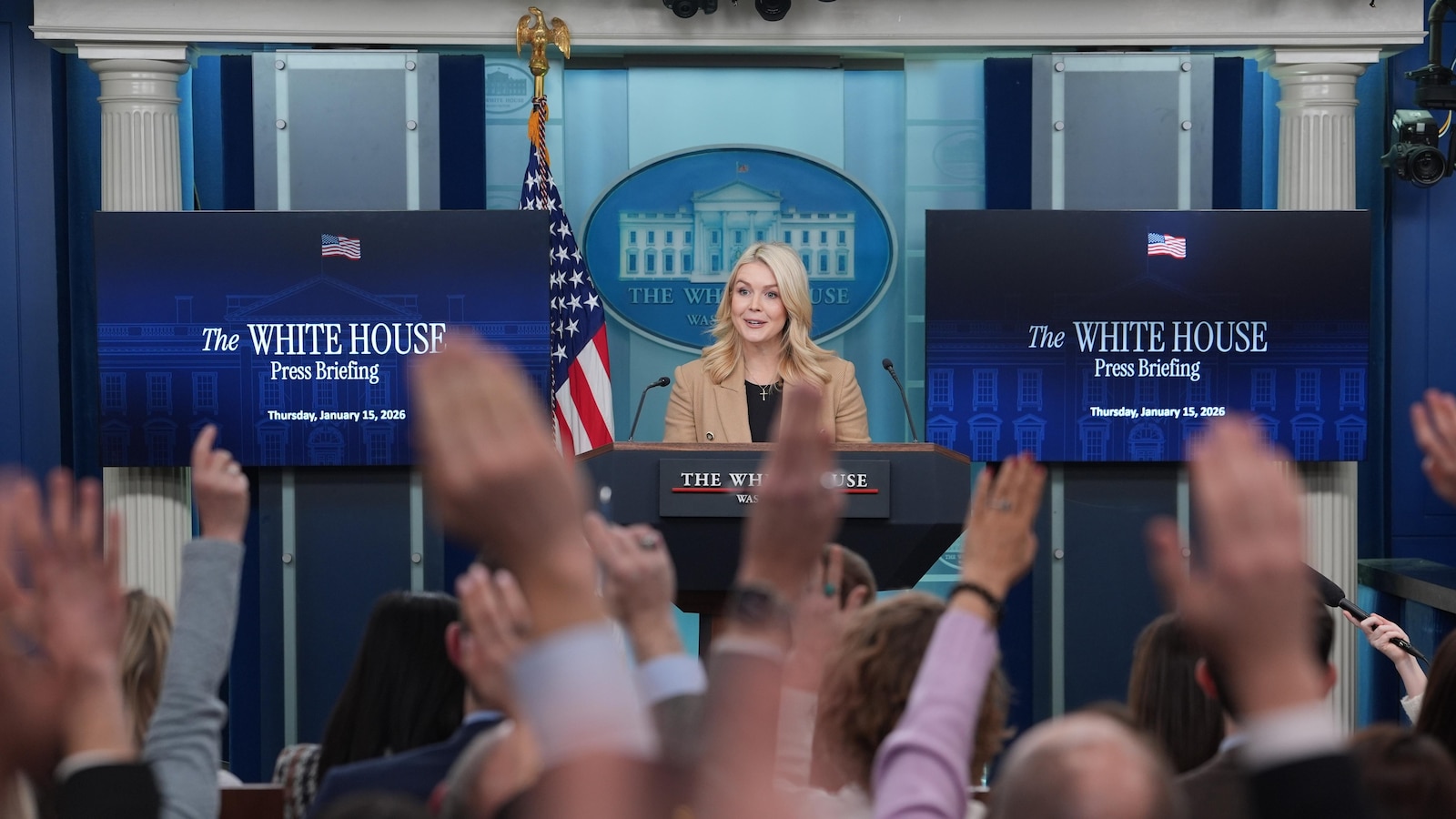
Senior Arab diplomats from Egypt, Oman, Saudi Arabia and Qatar urged the Trump administration in recent days to refrain from military strikes on Iran, warning that U.S. action would destabilize the region and the global economy; markets responded with oil prices falling as rhetoric from the White House grew more ambiguous. The administration concurrently announced new sanctions targeting the secretary of Iran’s Supreme National Security Council and designated 18 individuals and companies tied to laundering oil-sale proceeds and Iranian banks Bank Melli and Shahr Bank, keeping geopolitical and energy-market risks elevated for investors.
Market structure: Near-term winners are defense contractors (LMT, NOC, RTX), oil majors (XOM, CVX) and liquid-commodity hedges (gold/GDX) as geopolitical risk premiums rise; losers are EM equities (EEM), regional carriers, and trade-exposed cyclicals. Sanctions and the risk of kinetic action could remove an estimated 0.2–0.6 mbpd of Iranian supply intermittently, tightening markets and increasing spot/backwardation pressure for 1–3 months unless offset by SPR releases or OPEC increments.
Risk assessment: Tail risk remains a low-probability/high-impact US strike scenario that could push Brent +20–40% inside days and widen USD funding spreads; alternative tails include prolonged crackdown leading to gradual sanctions that shave 50–150bp off EM growth over quarters. Immediate (0–7 days) is volatility and directional oil moves, short-term (weeks–3 months) is credit/EM stress and shipping insurance repricing, long-term (3–12+ months) is structural energy tradeflows and defense budgets.
Trade implications: Favor asymmetric, size-controlled positions: 2–3% long in majors, 1–2% allocated to defense LEAP calls, 1–2% in GDX as tail-hedge, and tactical oil call spreads conditioned on spot thresholds (see decisions). Use pair trades (long XOM vs short EEM) to express commodity-driven divergence and favor options over outright equity to cap downside. Time entries to volatility spikes or confirmed supply outages; trim if Brent falls >5% from local peaks.
Contrarian angles: Consensus price-in of immediate strike may be overstated—markets already downshifted; if no kinetic event in 10–14 days expect mean-reversion: oil downside of ~8–12% from event highs and 5–10% pullback in defense names. Historical parallels (post-2019 regional incidents) saw 4–8 week spikes then fade; prefer buying volatility-priced options and dispersion trades rather than large directional equity bets to avoid rapid reversals and sanction-reporting noise.
AI-powered research, real-time alerts, and portfolio analytics for institutional investors.
Request DemoOverall Sentiment
moderately negative
Sentiment Score
-0.45
