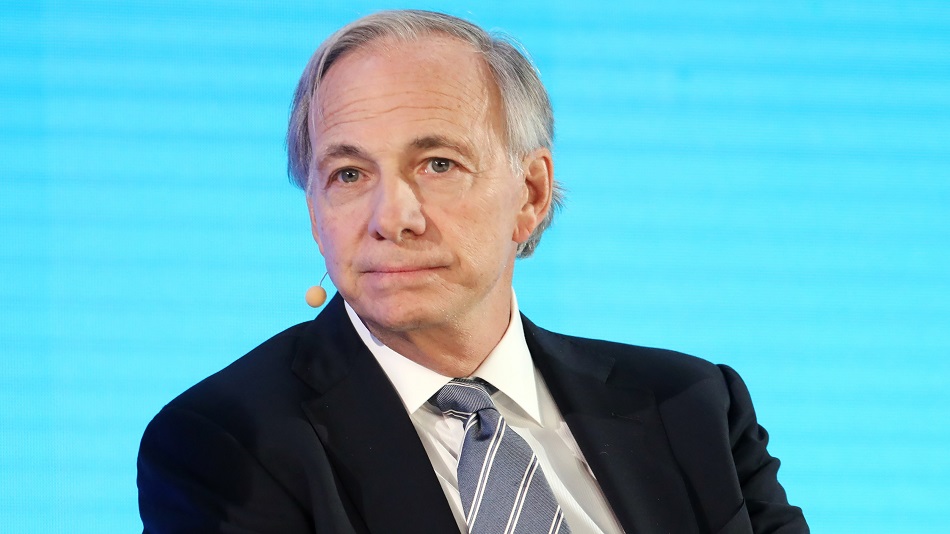
Ray Dalio questioned the viability of the hedge fund 'pod shop' model, expressing skepticism about splitting firms into semi-autonomous trading pods. His critique raises governance and coordination concerns that could prompt investors to reassess manager selection, capital allocation and operational risk within multi-team hedge funds, though it is unlikely to produce immediate broad market moves.
Market structure: Scale wins — large ETF/asset managers (e.g., BLK, SCHW) and specialist governance/ops vendors (SSNC, BR, DFIN) stand to capture reallocated AUM as LPs favor transparent, auditable wrappers; boutique pod-shops, some fund-of-funds and prime-broker revenue tied to active HF flows (partial exposure at GS/MS) lose pricing power. The likely consolidation will compress fees for smaller managers by 100–300 bps over 6–24 months and concentrate operational spend into a handful of vendors, creating single-vendor capacity/timing constraints for incremental $50–200bn flows.
Risk assessment: Tail risk includes a coordination failure or public pod blowup triggering >5% AUM redemptions across multi-strategy funds within 30 days, forcing liquidations that widen IG/HY spreads by +100–300bps and spike equity vol 25–50% intramonth. Hidden dependencies include rehypothecation, cross-margining and credit lines; regulatory scrutiny or mandated disclosure within 6–12 months would raise Opex 5–15% for affected managers. Catalysts: LP redemptions, influential LP statements or a high‑profile loss (>20% drawdown) could accelerate reallocation.
Trade implications: Favor ops/risk-tech longs and scaled ETF managers over boutique HF exposure across a 3–12 month horizon, hedge tail risk in financials with short-dated put spreads (30–90 days) and implement relative-value pairs (governance vendor long vs prime-broker/retail bank short) to monetize fee compression. Position sizes should be modest (1–3% each) with stop-losses 8–12% and dynamic sizing tied to observable LP outflow triggers (> $5–10bn/month from top managers).
Contrarian angles: Consensus may overestimate structural collapse — many pods are diversified internally and LPs will often reallocate rather than redeem wholesale, making short-duration tail hedges more efficient than large directional shorts. Watch for overshooting: governance vendors could rally >15% on initial headlines and become crowded; historical parallels (post-2008 governance/regulatory shifts) show multi-year consolidation but limited immediate systemic market moves. Unintended outcome: rising concentration in a few ops vendors creates new single‑point operational risk that could reverse early winners.
AI-powered research, real-time alerts, and portfolio analytics for institutional investors.
Request DemoOverall Sentiment
mildly negative
Sentiment Score
-0.25
