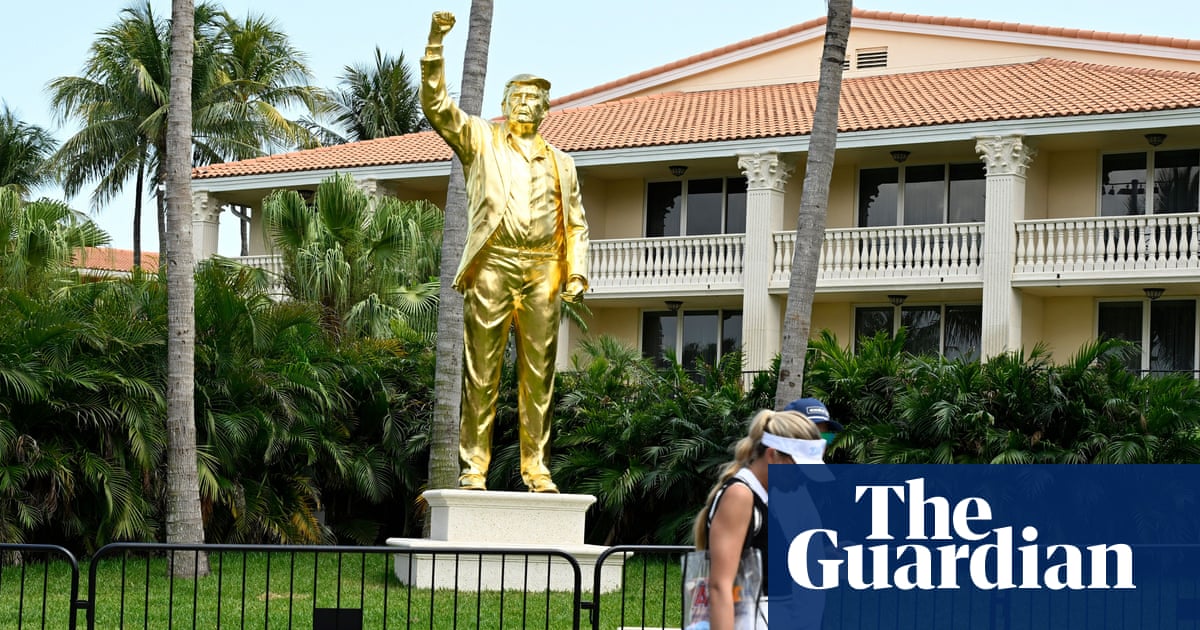
Trump publicly backed the return of LIV Golf players to the PGA Tour after Saudi PIF funding for the breakaway league was reported to be withdrawing, adding uncertainty to LIV's outlook. Brian Harman said returning players should face consequences, highlighting ongoing tensions tied to the 2022 antitrust lawsuit and prior PGA suspensions. The next LIV event is scheduled for May 7-10 at Trump National near Washington, while a June New Orleans tournament was postponed.
The market is underestimating how quickly the center of gravity can shift from “breakaway league” to “forced reunification” once capital support becomes unstable. If that happens, the winner is not the PGA brand per se but the ecosystem that monetizes elite-field scarcity: media rights, sponsorship inventory, and event hospitality all re-rate when top players are concentrated in fewer, higher-quality fields. The second-order loser is LIV’s bargaining power with both players and venues, because venue desirability and TV relevance collapse fast when the roster no longer justifies premium fees. The legal overhang matters more than the headline reconciliation rhetoric. Any return path that includes penalties, waivers, or selective reinstatements creates a litigation-sensitive governance process, which can drag on for months and keep the situation in “headline optionality” rather than a clean resolution. That uncertainty favors incumbents with stable scheduling and broadcaster relationships, while the breakaway operator faces an adverse selection problem: if weaker players exit first, the product quality declines before the best names can be repatriated. Contrarian angle: the consensus may be too quick to assume this is bullish for golf broadly. A messy reunification could cannibalize the premium that made both circuits valuable, especially if fans interpret it as a forced bailout rather than a sporting reset. The real catalyst window is 1-3 months: if the next slate of events draws materially weaker fields, sponsor confidence and venue commitments could deteriorate faster than player defections reverse. For investors, the cleanest expression is not to chase a broad “golf recovery” trade, but to lean into relative winners from stable premium sports content versus distressed breakaway formats. Any resolution that keeps elite players together benefits established media distributors and event-ticketing platforms, but the upside is likely modest unless litigation noise fades and schedules normalize. Tail risk is a Saudi-backed rescission or alternate funding source that extends the status quo, which would keep the trade range-bound and punish premature positioning.
AI-powered research, real-time alerts, and portfolio analytics for institutional investors.
Request DemoOverall Sentiment
neutral
Sentiment Score
0.05
