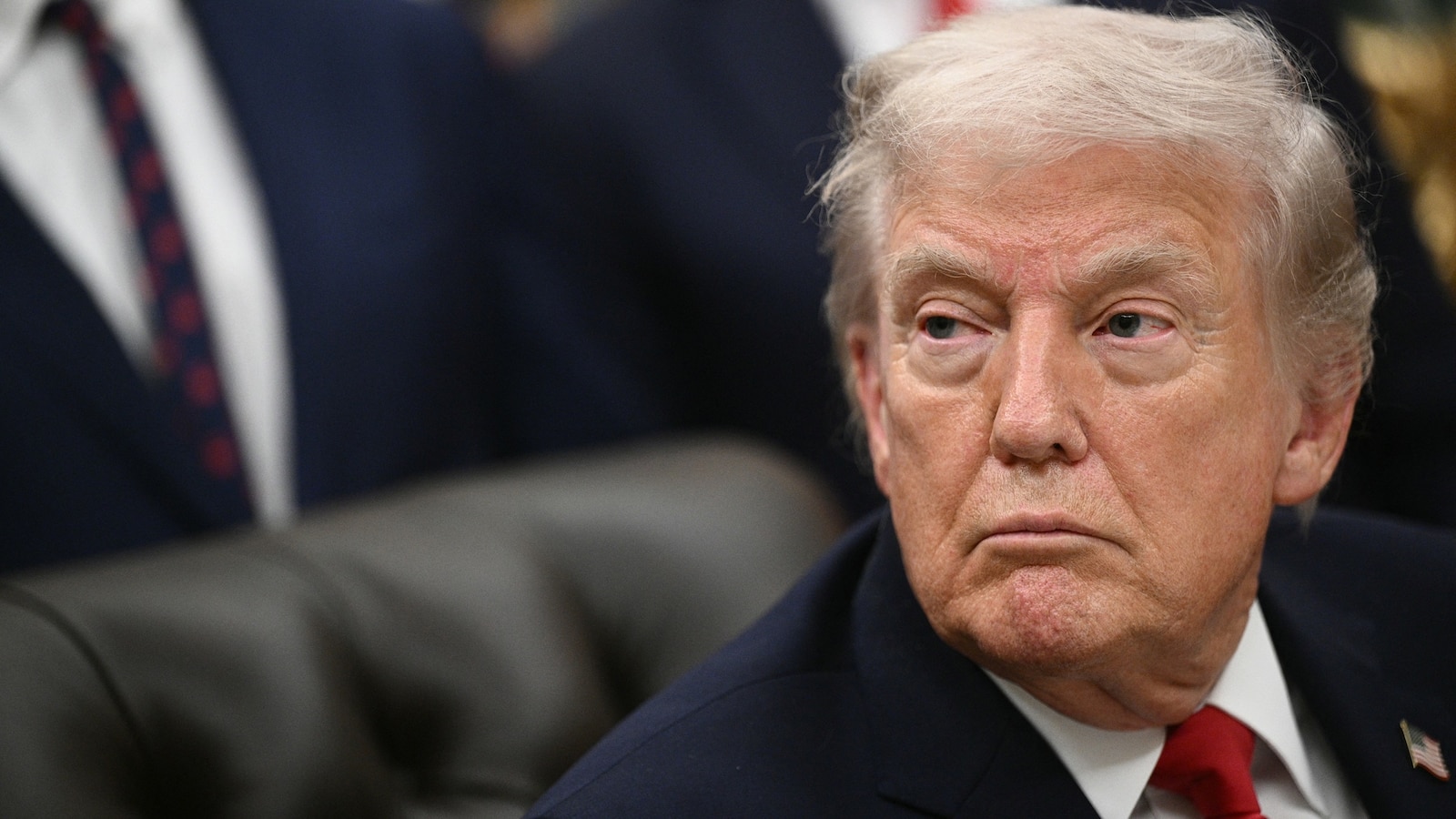
President Donald Trump, Donald Trump Jr., Eric Trump and the Trump Organization filed a federal suit in Florida seeking $10 billion in damages against the IRS and Treasury for allegedly failing to safeguard and thereby allowing unauthorized disclosure of Trump's tax returns during his first term. The complaint cites leaks to news organizations in 2019–2020 by former IRS contractor Charles Littlejohn, who pleaded guilty in 2023 and was sentenced to five years; a judge at sentencing characterized the disclosures as an attack on democracy. The case creates reputational and legal risk for the agencies and could prompt policy or procedural scrutiny of IRS data protections, but it is unlikely to have immediate, material market effects.
Market structure: The suit primarily redistributes idiosyncratic legal and reputational risk rather than shifting macro market share; direct winners are vendors of federal cybersecurity and IT compliance (e.g., Booz Allen, Leidos, CrowdStrike) as agencies accelerate controls, while legacy media and litigation-exposed contractors may face reputational losses. Pricing power will tilt toward Fed-certified cloud and security providers as procurement budgets rise; expect 3–8% incremental federal IT spend reallocation to security over 12–24 months. Cross-asset effects are muted but political/legal risk can nudge safe-haven flows (USD, USTs, gold) in episodic windows.
Risk assessment: Tail risks include a large judgment or settlement forcing Treasury insurance/regulatory reform (low probability, high impact) and politically driven procurement freezes that compress contractor revenues for 1–2 quarters. Immediate (days) market effect should be negligible; short-term (weeks–months) sees sentiment-driven volatility in small-cap contractors; long-term (6–24 months) structural uplift for cybersecurity/contract compliance vendors. Hidden dependency: increased compliance spend depends on Congress appropriating funds and DHS/Treasury rulemaking—watch budget amendments and OMB memos.
Trade implications: Favor selective long exposure to government IT/security names with Fed certifications and recurring revenue (BAH, LDOS, CRWD, PANW) and underweight ad-driven media or small boutique contractors lacking certifications. Use 3–6 month call purchases on high-quality cyber names for event-driven upside and buy-and-hold equity in larger contractors to capture multi-quarter budget tailwinds. Hedge macro-tail risk with a 0.5–1% allocation to gold or TBills during headline spikes.
Contrarian angles: Consensus will underprice procurement friction and certification lead-times—stocks like Leidos and Booz Allen will outperform smaller peers that lack GovCloud/FISMA credentials. Cyber names are consensus beneficiaries, but valuations vary: prefer profitable, cash-generative contractors over high-growth pure software names if funding tails slow. Historical parallel: post-2016/2017 federal security tightening led to 12–18 month outperformance of established defense contractors vs niche integrators.
AI-powered research, real-time alerts, and portfolio analytics for institutional investors.
Request DemoOverall Sentiment
mildly negative
Sentiment Score
-0.25
