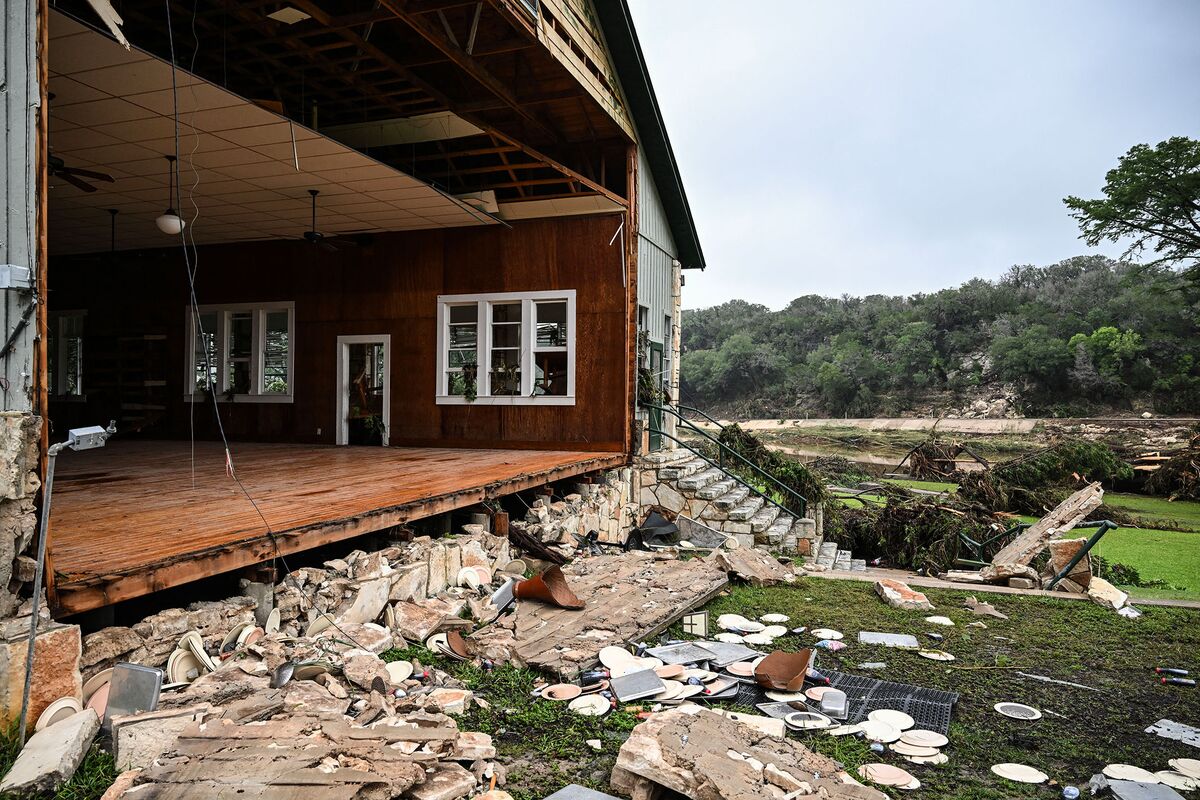
A catastrophic flood in Texas, caused by torrential rains, has resulted in at least 82 deaths and numerous missing persons, intensifying concerns over climate readiness. This event highlights the escalating human and potential economic costs of extreme weather phenomena, a critical consideration for investors assessing climate risk and broader ESG implications, aligning with ongoing media focus on global extreme heat and wildfire impacts.
The catastrophic flooding in Texas, which has resulted in at least 82 fatalities, serves as a stark illustration of the escalating physical risks and economic costs associated with climate change. With a strongly negative sentiment score of -0.75, the event highlights the severe human impact and underscores a potential inadequacy in climate readiness for critical regions. While the immediate market impact score is moderate at 0.5, the disaster has significant implications for sectors with concentrated geographic exposure, including insurance, regional infrastructure, agriculture, and real estate. This incident reinforces the materiality of Environmental, Social, and Governance (ESG) factors, compelling investors to move beyond policy-focused analysis to a more rigorous assessment of physical resilience and adaptation strategies in their portfolios. The broader media focus on related climate phenomena, such as extreme heat and wildfires, suggests this will be a persistent theme driving risk assessment and capital allocation.
AI-powered research, real-time alerts, and portfolio analytics for institutional investors.
Request DemoOverall Sentiment
strongly negative
Sentiment Score
-0.75
