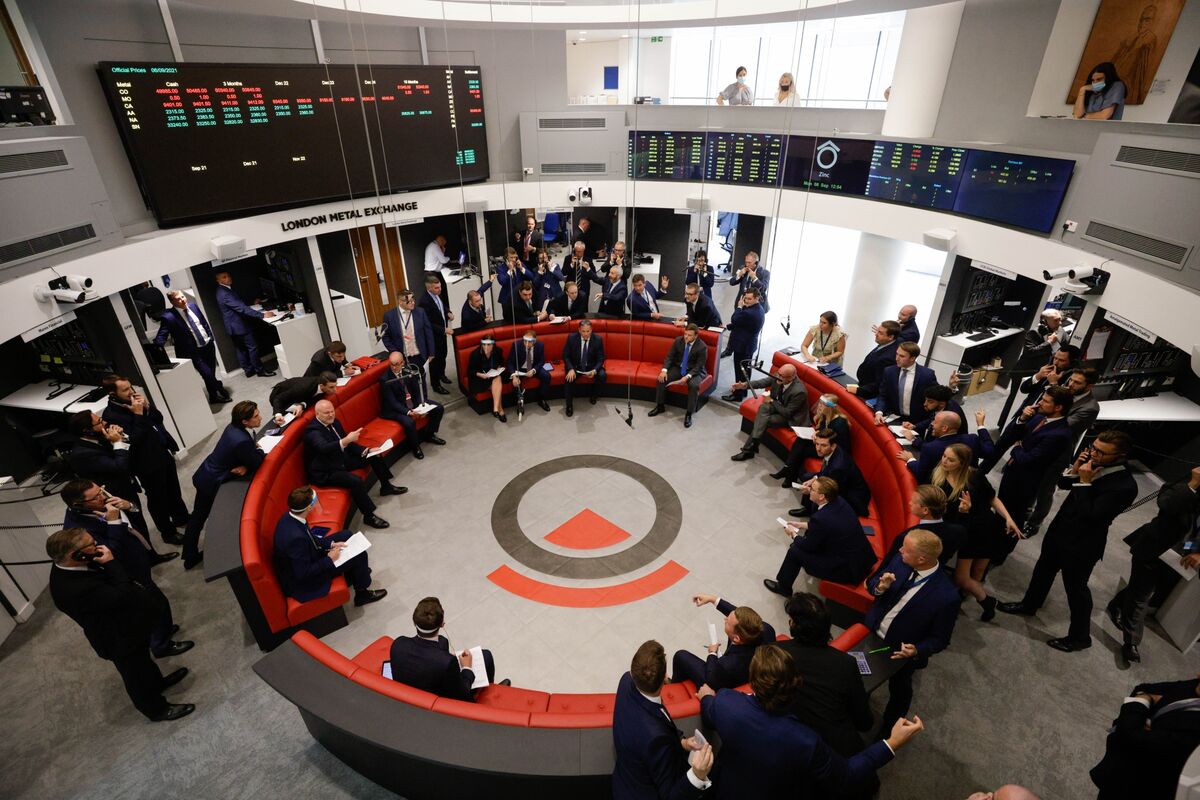
Glencore Plc has been purchasing Russian copper from London Metal Exchange warehouses in Rotterdam, with plans to deliver approximately 15,000 tons to China, exacerbating a supply squeeze in the world's largest copper market. This activity has drawn down LME copper inventories to a one-year low, signaling increased demand and potential price volatility.
Glencore Plc's recent activity of purchasing approximately 15,000 tons of Russian-origin copper from London Metal Exchange (LME) warehouses in Rotterdam for delivery into China highlights significant tightness in the global copper market. These substantial withdrawals, orchestrated primarily by Glencore, have driven available LME copper inventories to their lowest point in a year. This dynamic underscores robust demand from China, the world's largest copper consumer, and indicates a potential supply squeeze that could influence near-term price action. The trade flow, involving Russian material moving to China via the LME system, also points to evolving patterns in commodity supply chains, particularly for raw materials essential to industrial activity.
AI-powered research, real-time alerts, and portfolio analytics for institutional investors.
Request DemoOverall Sentiment
moderately positive
Sentiment Score
0.40
