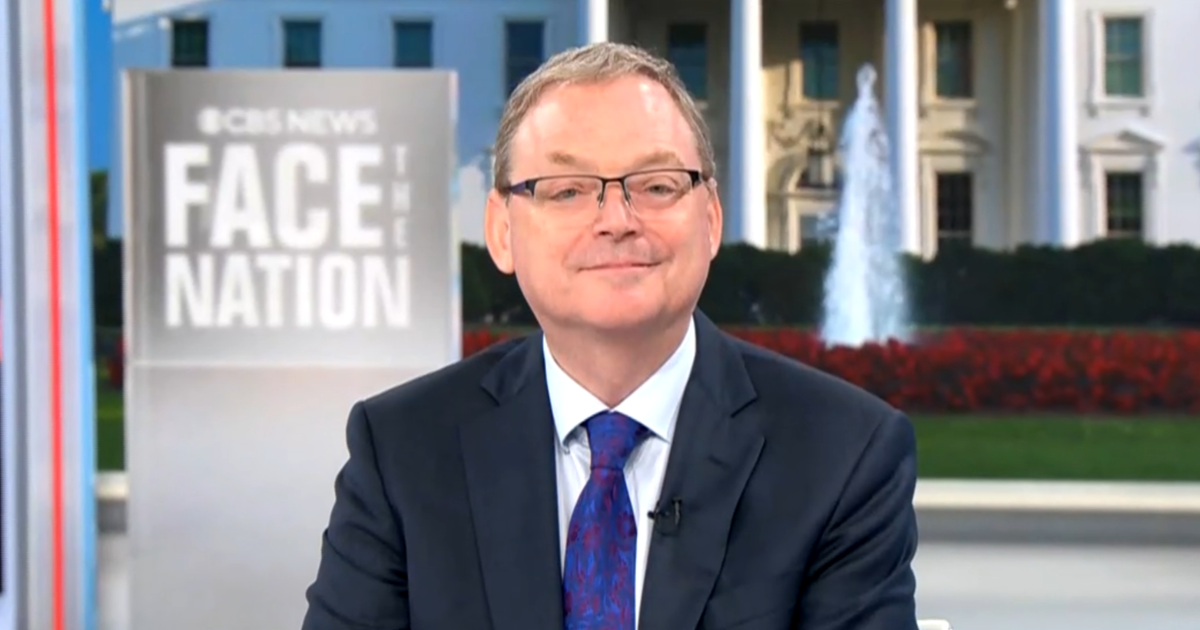
Top White House economic adviser Kevin Hassett, a candidate for the next Federal Reserve Chair, emphasized the central bank's critical need for full independence from political influence, including from President Trump, despite Trump's history of pressuring current Chair Jerome Powell and recent nominations raising concerns about White House control. Hassett also aligned with Treasury Secretary Scott Bessent's call for a comprehensive review of the Fed, though he stopped short of committing to implement such changes if appointed. This ongoing debate over the Fed's autonomy is set against a backdrop of a weaker-than-expected August jobs report, which complicates the central bank's upcoming monetary policy decisions.
Significant uncertainty surrounding the future of U.S. monetary policy is emerging from the intersection of political maneuvering and weakening economic data. Kevin Hassett, a potential candidate for Federal Reserve Chair, has publicly championed the central bank's full independence from political influence, a stance that directly contrasts with President Trump's history of pressuring current Chair Jerome Powell for rate cuts. This tension is amplified by recent White House personnel actions, including the nomination of a presidential aide to the Fed's board, which have fueled investor concerns about the erosion of the institution's autonomy. Furthermore, Treasury Secretary Scott Bessent's call for a "widespread review" of the Fed, a proposal Hassett supports, introduces the potential for structural changes that could alter its mandate or operations. This backdrop of governance risk complicates the Fed's immediate policy decisions, particularly as the August jobs report indicated a significant slowdown, with only 22,000 jobs added, well below expectations. The combination of leadership ambiguity, potential institutional reform, and a softening labor market creates a challenging environment for forecasting interest rate trajectory ahead of the September 17th policy meeting.
AI-powered research, real-time alerts, and portfolio analytics for institutional investors.
Overall Sentiment
moderately negative
Sentiment Score
-0.50
