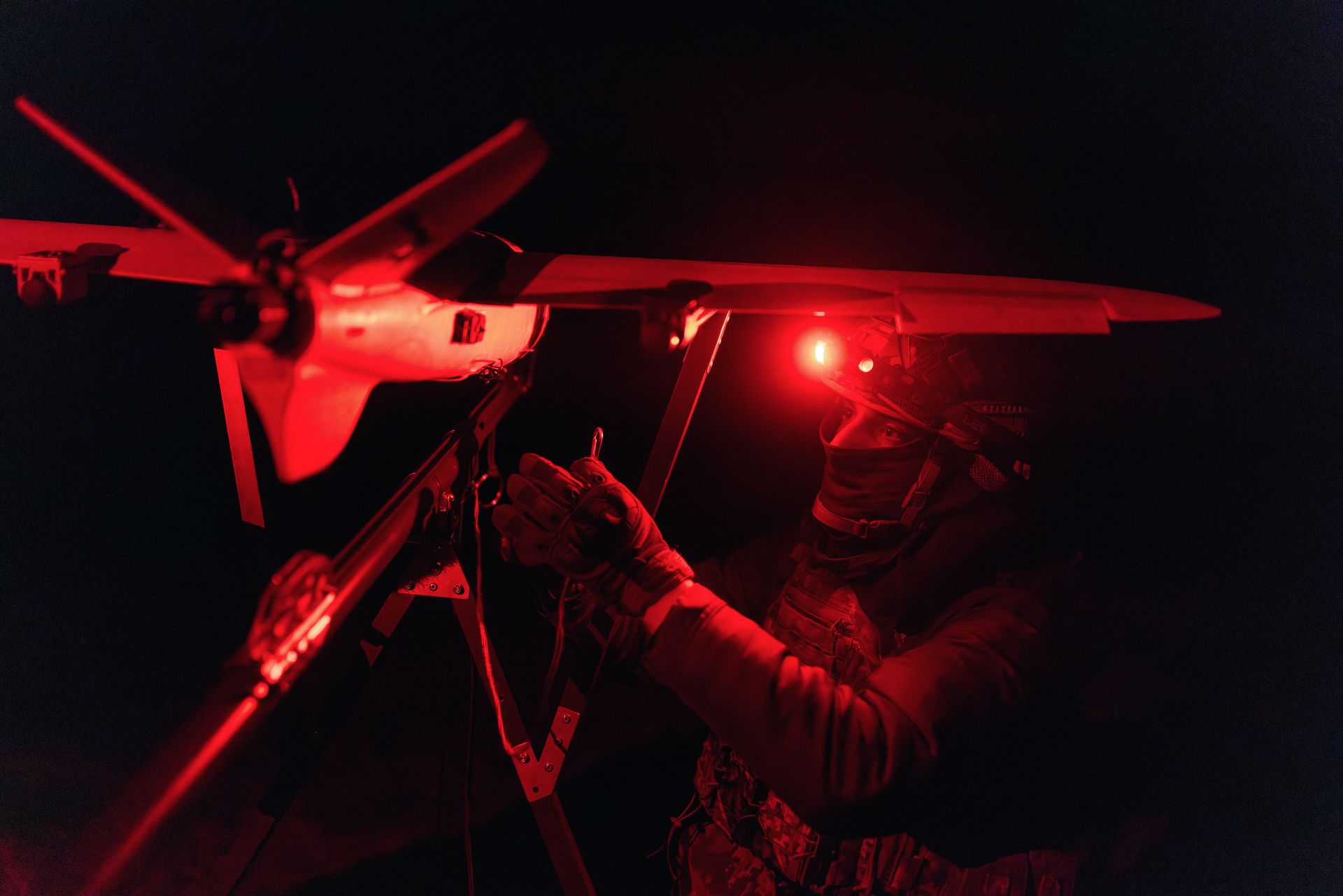
Event: Rheinmetall CEO Armin Papperger publicly characterized Ukrainian drones as lacking innovation, prompting an op-ed rebuttal from Bohdan Krotevych. Krotevych argues Ukrainian drones represent a revolution in application, scaling and adaptability, citing dozens of domestic manufacturers (e.g., Ukrspecsystems, Skyeton, Airlogix) and growing Gulf-state engagement. Implication for investors: expect targeted commercial deals and venture-style interest in Ukrainian drone firms rather than immediate NATO-style certification-driven procurement; this is sector- and region-specific with limited near-term market price impact.
Frontline-driven adoption of low-cost, modular drones is creating a durable procurement wedge: tactical ISR/strike capability that can be fielded and iterated on months (not years) is shifting budget and attention away from large monolithic platforms toward componentized suppliers and software integrators. Expect 10–25% of incremental tactical air/ISR procurement in Europe, the Gulf, and select NATO partners to flow to non-traditional vendors within 12–36 months as militaries prioritize deployability and upgrade velocity over type certification.
This dynamic has clear supply-chain winners (MEMS IMUs, vision processors, brushless motors, BMS, encrypted comms) and losers (heavy assembly lines optimized for low-rate, high-unit-cost systems). Second-order effects: accelerated localization of manufacturing in Eastern Europe and the Gulf to avoid export-control friction, and rising aftermarket/service revenue as governments pay for iterative software/AI updates rather than new airframes. Watch component bottlenecks and single-source suppliers — semiconductor shortages or sanctioned vendor exposures can stall small-drone scale-up within 3–9 months.
Key reversals: a reassertion of strict certification/regulatory regimes or a major countermeasure (affordable, scalable C-UAS tech deployed en masse) would reset procurement back toward legacy primes over 12–24 months. The contrarian read is that markets underprice the growth runway for nimble drone specialists and component vendors: if Gulf and NATO buyers continue to prioritize rapid field effectiveness, pure-play integrators and sensor-chipmakers could compound revenue at high teens to double-digit CAGR over the next 2–4 years.
AI-powered research, real-time alerts, and portfolio analytics for institutional investors.
Request DemoOverall Sentiment
moderately positive
Sentiment Score
0.30
