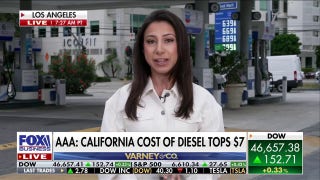
JPMorgan CEO Jamie Dimon warns the Iran war could trigger energy and commodity shocks and disrupt global supply chains, keeping inflation above the Fed's 2% target and forcing interest rates higher, with stagflation possible as soon as 2026. For portfolios, this implies downside risk to duration-sensitive and risk assets, potential upside for energy/commodity exposures and inflation hedges, and the need to monitor oil, fertilizer, shipping dynamics and Fed policy pricing for rapid repricing risk.
If a geo-driven energy/commodity shock materializes, expect the inflation impulse to show two distinct phases: an immediate headline bump from energy and input costs (likely visible within 0–3 months) and a slower, more durable pass-through into core services via higher transportation, fertilizer-driven food costs, and reshoring-related capex that plays out over 6–24 months. Empirically, a sustained $10/bbl spot oil rise has historically translated into ~0.2–0.4 percentage points of CPI in the first year; add 20–30 bps of structural upside to trend CPI if supply-chain reconfiguration forces higher unit labor and logistic costs.
Monetary reaction will be driven more by persistence than magnitude: a transitory spike that fades in 60–90 days is unlikely to materially change terminal funds expectations, whereas stickier inflation that keeps core CPI above target for two consecutive quarters would re-center the Fed’s dot plot and add 75–150bps to funds over 6–12 months. That kind of repricing raises 10y nominal yields and term premia; a 100bps higher real/nominal yields regime compresses equity multiples by ~8–12% via discount rate mechanics and favors short-duration cash-flow generators.
Winners/losers diverge across supply-chain nodes: commodity producers (energy, fertilizer, bulk shipping) and real-assets (gold, infrastructure) capture direct margin windfalls and hedge-story optionality, while consumption-levered sectors (airlines, autos, discretionary retail) and long-duration tech suffer from higher input costs and multiple contraction. Second-order beneficiaries include domestic industrials and contractors involved in reshoring and inventory rebuilding; expect elevated capex and order books for heavy equipment and port logistics over 12–36 months.
Key catalysts to watch that would reverse this path are: rapid diplomatic de-escalation or coordinated SPR/strategic commodity releases (near-term, 0–3 months), a sharp Chinese demand slowdown (3–9 months), or a convincing disinflation signal in services CPI (2 consecutive months). Market signals to trigger tactical exits: Brent down >15% from peak within 60 days, 10y real yields retracing >50bps, or shipping/container rates collapsing back toward pre-shock levels.
AI-powered research, real-time alerts, and portfolio analytics for institutional investors.
Request DemoOverall Sentiment
moderately negative
Sentiment Score
-0.45
Ticker Sentiment
