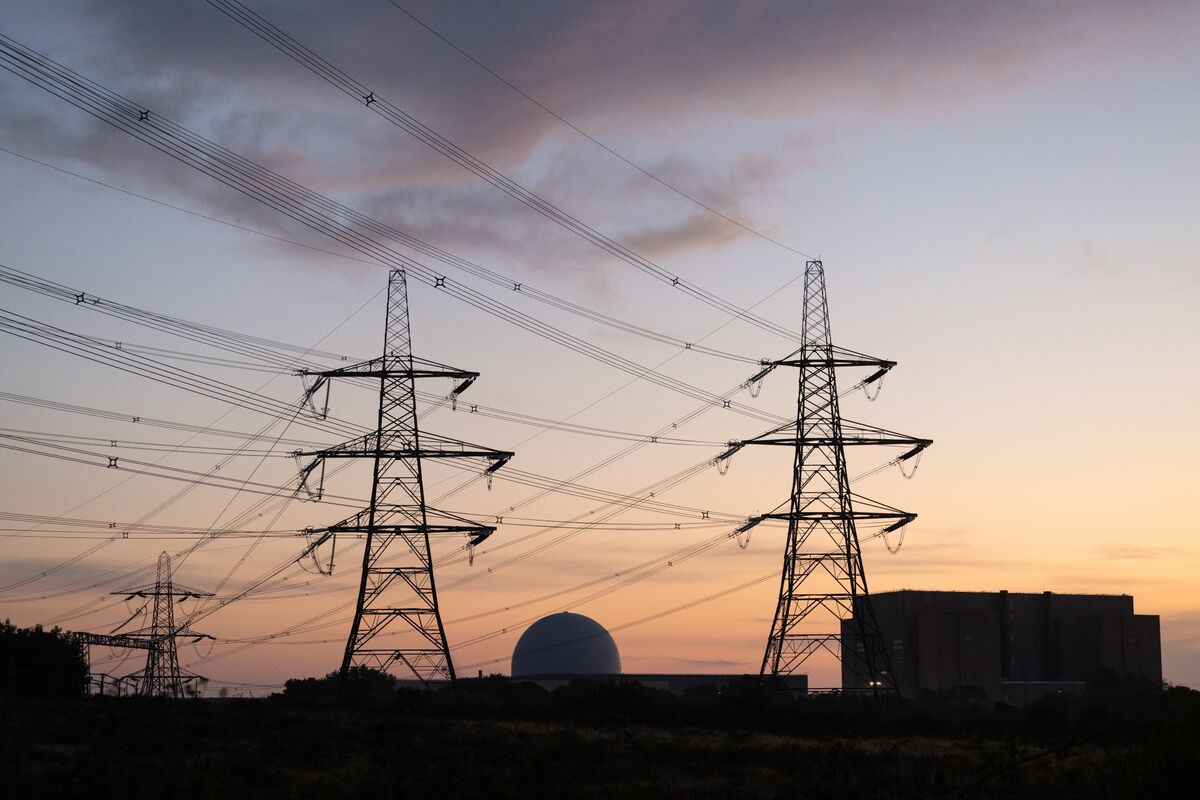
EDF is urging France’s largest construction firms — Bouygues, Eiffage, Vinci and smaller builders — to cooperate rather than compete on work for new nuclear reactors to help contain rising project costs. The proposal aims to facilitate know-how sharing and address a shortage of skilled workers, potentially reducing cost overruns and delivery risk on France’s reactor program while raising questions about competition and regulatory scrutiny.
Market structure: Large French builders (Vinci, Bouygues, Eiffage) are the primary beneficiaries — cooperation would convert fragmented, low-margin bidding into predictable, higher-utilization backlog and could plausibly recover 200–400bp of operating margin over 2–4 years as rework and idle capacity fall. Losers include smaller regional subcontractors and any firms reliant on competitive tendering; antitrust scrutiny and potential fines create an offsetting cap on upside. Supply/demand: the move signals a sustained shortage of nuclear-skilled labor (likely 12–36 months), keeping wage inflation for specialist crews and input materials (steel, concrete) 5–15% above baseline during peak build phases. Cross-asset: successful cost control should tighten EDF credit spreads and modestly support EUR vs peers over 12–24 months; antitrust headlines will lift volatility in equities and CDS for builders in the near term (days–weeks).
Risk assessment: Tail risks include an EU/Competition Authority blocking coordination (fine 1–10% of revenues) or a major project delay due to supply-chain shocks or strikes that could add >20% to capex and blow out timelines by years. Immediate (days) risk: headline-driven equity swings; short-term (weeks–months): negotiation outcomes and government rulemaking; long-term (years): realized margin improvement or chronic cost overruns. Hidden dependencies: reliance on Framatome/Areva supply chains, specialist welders, and politically driven scope changes — any single bottleneck can cascade. Key catalysts to watch: formal consortium agreements, EU competition inquiry, government decree legitimizing cooperation, and commodity/steel price spikes.
Trade implications: Tactical direct plays are long large-cap French builders and long EDF sovereign-backed bonds: establish 2–3% long positions in VINCI and Bouygues (split) with a 6–18 month horizon to capture backlog re-rating if consortium forms. Pair trade: long Vinci, short a non‑French international builder with less domestic pipeline (e.g., Ferrovial or ACS) 1:1 size for 6–12 months to isolate French nuclear optionality. Options: buy 2–3 month ATM call spreads on Vinci/Bouygues sized 0.5–1% portfolio ahead of expected announcements; buy protection (puts) if EU opens formal probe. Rotate +1–2% into industrials/construction at the expense of gas-import reliant utilities over 12–24 months.
Contrarian angles: Consensus focuses on antitrust risk; what’s missed is the state’s ability to legally underwrite/mandate cooperation — if Paris formalizes that, builders could secure multi-year, low-reinvestment cashflows and shock earnings positively by 10–20% vs consensus over 2–3 years. Reaction may be overdone now (builders trading on rumor risk); implied volatility-rich options may be overpriced relative to multi-year cashflow certainty. Historical parallels: post-2008 public infrastructure consortiums delivered steady returns after initial political scrutiny. Unintended consequences: formal cooperation could accelerate M&A among midsize subcontractors, concentrating supply and ultimately increasing input pricing beyond short-term savings.
AI-powered research, real-time alerts, and portfolio analytics for institutional investors.
Request DemoOverall Sentiment
neutral
Sentiment Score
0.10
