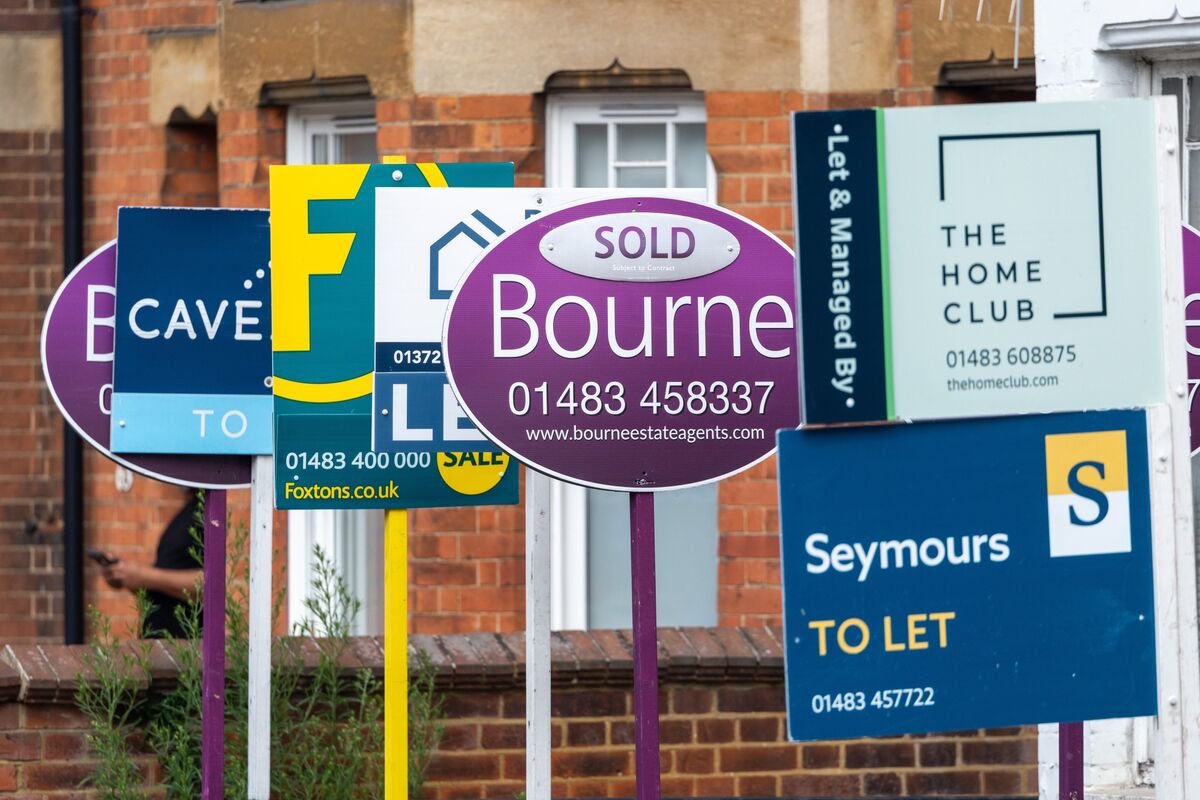
UK home listings have experienced their longest sustained increase since 2004, with supply showing net positive readings for approximately a year, according to the latest RICS survey. This unprecedented growth in vendor instructions, which even surpasses levels seen during the 2009 financial crisis, coupled with cautious buyer sentiment, indicates mounting downward pressure on UK residential property prices.
The UK residential real estate market is exhibiting signs of significant strain, characterized by a prolonged and historically notable increase in housing supply. According to the latest Royal Institution of Chartered Surveyors (RICS) survey, new vendor instructions have registered net positive readings for approximately one year, a growth streak unmatched since 2004. This sustained rise in listings, which now exceeds levels seen even during the 2009 financial crisis, is occurring alongside cautious buyer sentiment. The combination of burgeoning supply and weak demand is creating a clear market imbalance, signaling strong and sustained downward pressure on UK home prices in the near term.
AI-powered research, real-time alerts, and portfolio analytics for institutional investors.
Request DemoOverall Sentiment
strongly negative
Sentiment Score
-0.65
