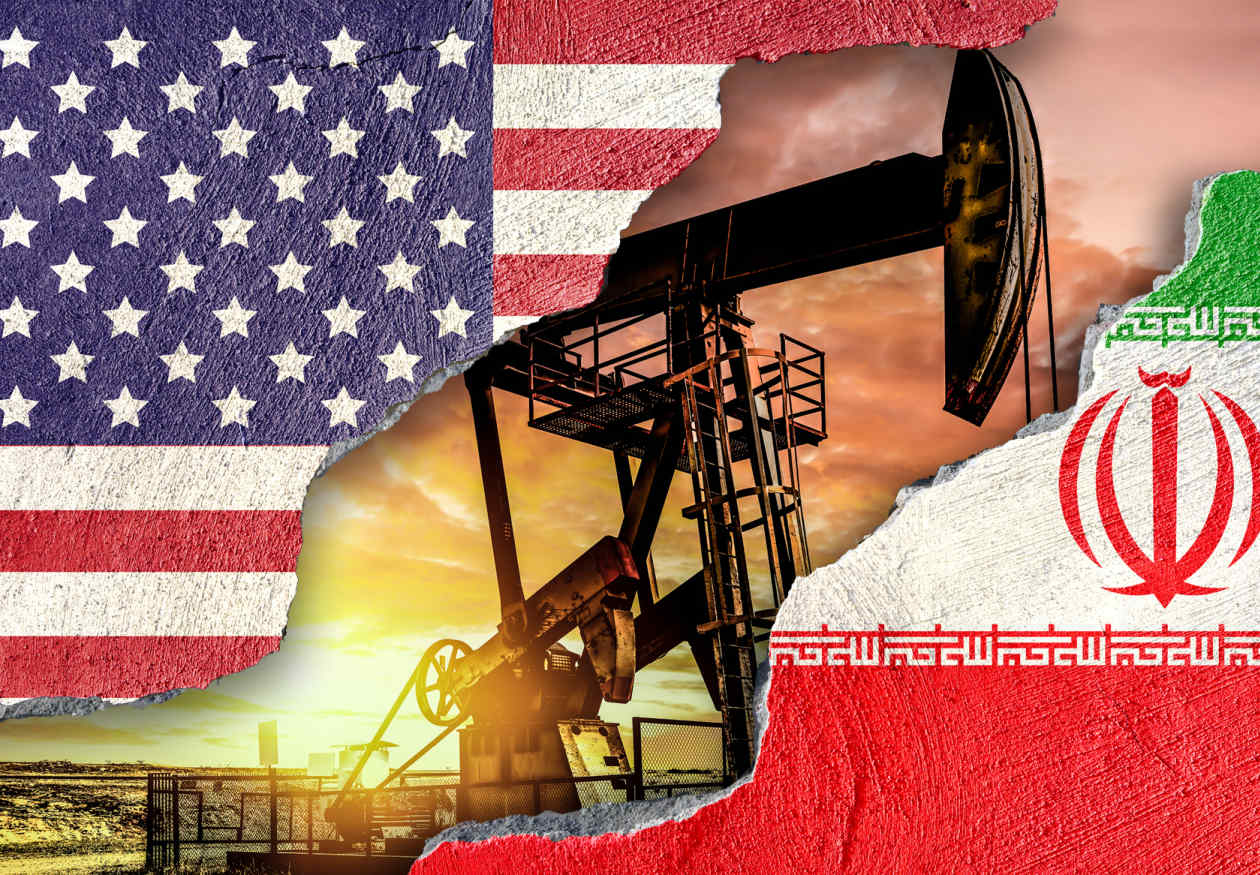
The U.S. is intensifying sanctions on Iran's oil exports, targeting networks that have transported billions in illicit oil, a move that directly conflicts with the U.S. objective of maintaining low crude prices. Analysts warn a full enforcement could reduce global supply by 1.5%, potentially increasing prices by 8%, undermining the White House's economic goals. While these actions create market uncertainty, the practical challenges of enforcement, particularly Iran's primary exports to China outside traditional payment systems, lead some experts to anticipate weaker implementation, influencing a more restrained oil price outlook. This highlights a critical policy dilemma for the U.S. and a key dynamic for oil market participants.
The U.S. faces a significant policy conflict between its geopolitical objective of punishing Iran through tighter oil sanctions and its economic goal of maintaining low energy prices for consumers. The Treasury Department's latest sanctions target networks smuggling Iranian crude, sometimes disguised as Iraqi oil, which have facilitated billions in illicit sales. However, market analysts are skeptical about the practical impact of these measures on global supply. An analyst from Raymond James quantifies the risk, noting that a full enforcement could hypothetically remove 1.5% of global supply, potentially triggering an 8% price increase due to the market's price elasticity. This outcome directly opposes the White House's objective. The consensus among several experts cited is that enforcement will likely remain weak, with one analyst describing the actions as "tinkering around the edges." This view is reinforced by structural changes in Iran's export patterns, with most oil now flowing to China outside of traditional U.S.-controlled payment systems, limiting the efficacy of sanctions compared to 2019. This skepticism is reflected in market trends, with both WTI and Brent crude prices down over 5% year-to-date, and U.S. rig counts near four-year lows. Furthermore, countervailing supply-side factors, such as OPEC+ increasing production by 548,000 barrels per day in August, and a lowered year-end Brent price target of $55/barrel from BNP Paribas, suggest that the market is pricing in resilient Iranian supply and limited upside risk from the current sanctions regime.
AI-powered research, real-time alerts, and portfolio analytics for institutional investors.
Overall Sentiment
Mixed
Sentiment Score
0.00
Ticker Sentiment
