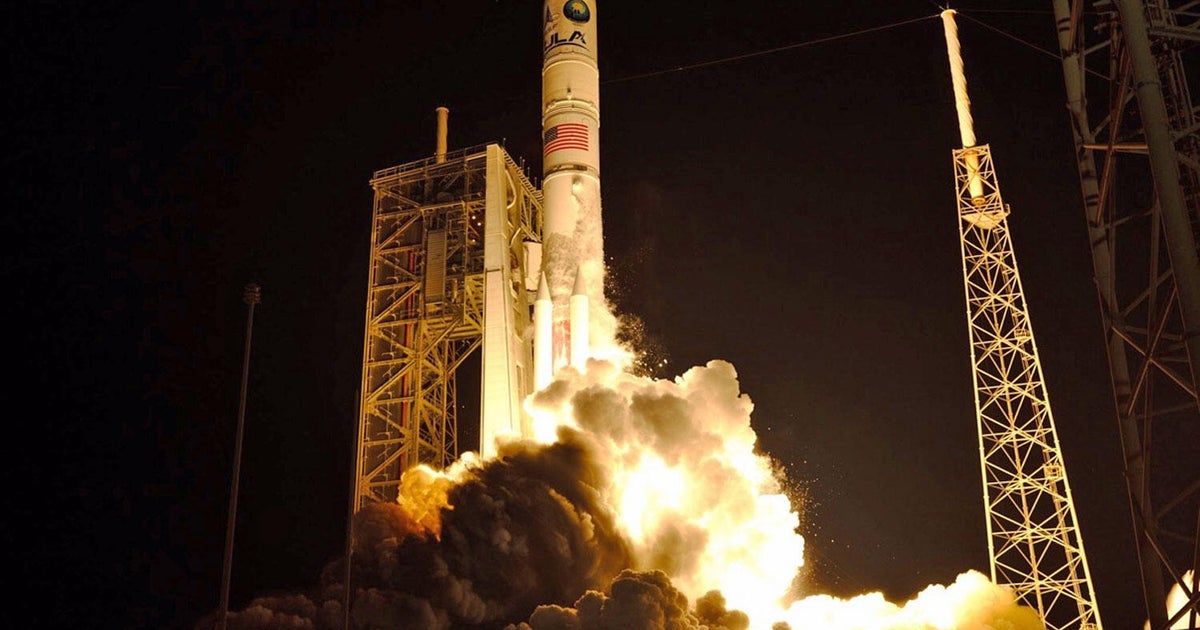
A United Launch Alliance Vulcan rocket on its fourth flight experienced an apparent burn-through in one of four GEM 63XL solid strap-on boosters roughly 20 seconds after liftoff, producing a side jet of flame and inducing a transient roll, though the core, upper stage and payloads reportedly performed nominally and the mission proceeded to a planned 10-hour profile. The flight carried a Northrop Grumman-built GSSAP satellite and a classified ESPAStar stack; ULA is reviewing data and the anomaly follows a prior nozzle failure that prompted corrective actions. The incident introduces reputational and potential schedule risk for ULA’s plans (16–18 Vulcan flights targeted this year) and could attract additional scrutiny from national-security customers, while not immediately disrupting this specific mission’s success.
Market structure: The immediate winners are alternate launch providers and defense primes with diversified launch exposure; direct loser is Northrop Grumman (NOC) because the GEM 63XL nozzle observation creates procurement, liability and schedule risk. If investigations delay Vulcan cadence (management forecast: 16–18 Vulcan flights in 2026), ULA revenue recognition tied to those launches could be cut by 10–30% over 6–12 months, squeezing Boeing (BA) and Lockheed (LMT) JV economics modestly.
Risk assessment: Tail risks include a systemic manufacturing defect forcing a fleet retrofit (high-impact, low-probability) or a USSF/DoD grounding that reallocates >20% of manifest to competitors within 3–6 months. Short-term (days–weeks) volatility will be headline-driven; medium-term (1–3 months) depends on investigation findings; long-term (3–18 months) reverts to program reliability and contract backlog. Hidden dependencies: supplier single-sourcing for nozzle/insulation and insurance/indemnity clauses could shift losses to primes.
Trade implications: Tactical: expect 3–8% potential downside for NOC on follow‑up negative findings; implied vol on NOC options should spike—buy protection or defined-risk bearish structures. Relative-value: long LMT (strong cashflow, backlog) vs short NOC (execution risk) for 3–12 months. Cross-asset: defensive bid in IG bonds and USD safe-haven flows on messy investigation headlines; commodities minimal impact.
Contrarian angle: The market may overreact to a single strap-on failure—Vulcan core/upper stages ran nominal and this was a strap-on motor, not BE‑4 turbomachinery. If NOC sells off >6% without conclusive DoD findings in 30–90 days, that could be a tactical long opportunity; historical precedent (Delta/Atlas rocket anomalies) shows program reputations recover within 6–12 months once fixes are delineated.
AI-powered research, real-time alerts, and portfolio analytics for institutional investors.
Request DemoOverall Sentiment
mildly negative
Sentiment Score
-0.25
Ticker Sentiment
