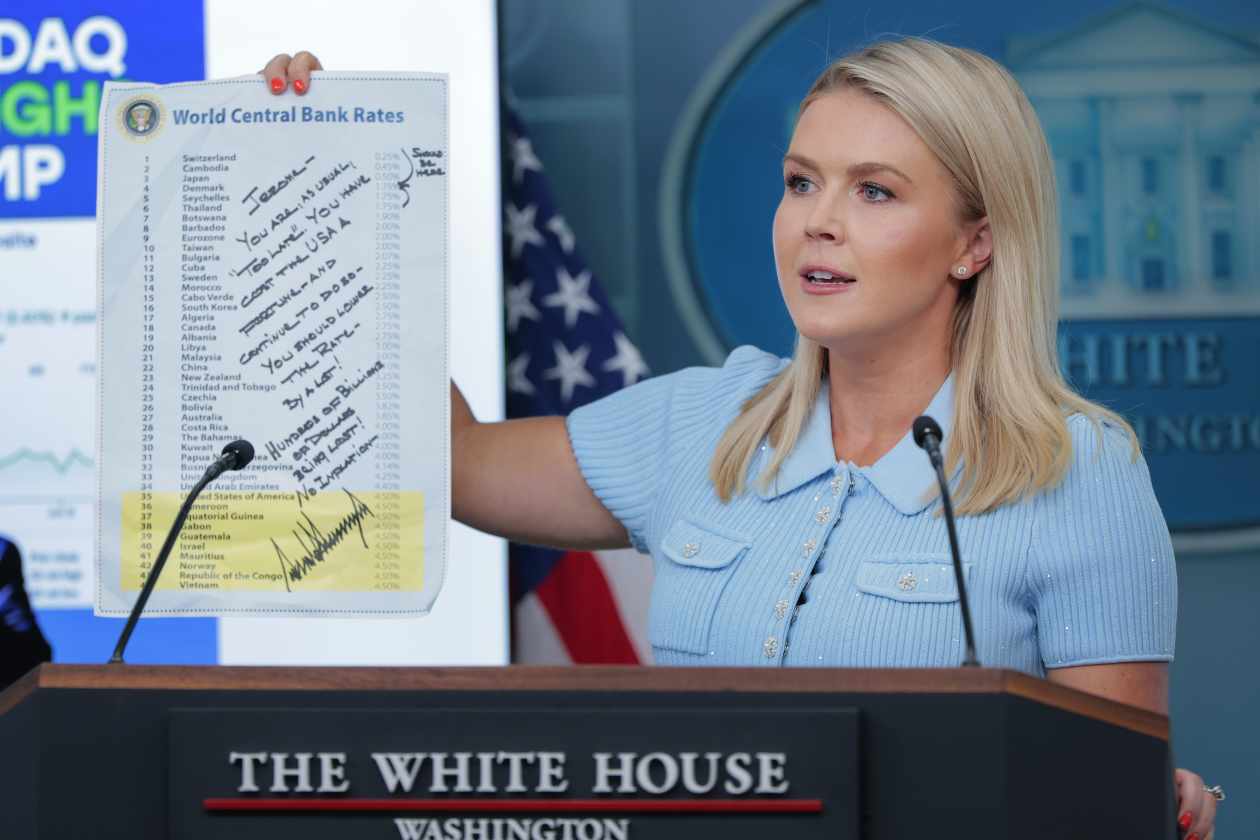
President Trump has intensified pressure on Federal Reserve Chair Jerome Powell to significantly lower interest rates, including sending a handwritten note directly to Powell. This ongoing political intervention, coupled with Treasury Secretary comments suggesting the Fed is 'frozen at the wheel,' underscores persistent challenges to the central bank's independence and could influence future monetary policy expectations.
The executive branch is intensifying public pressure on the U.S. Federal Reserve, with President Trump demanding 'dramatically lower interest rates' via a handwritten note to Chair Jerome Powell. This direct intervention is amplified by the Treasury Secretary's statement characterizing the Fed as 'frozen at the wheel.' This development introduces significant political uncertainty into the monetary policy outlook, directly challenging the central bank's operational independence. The market's 'moderately negative' sentiment and 'uncertain' tone, coupled with a high impact score of 0.7, reflect investor apprehension over the potential for policy decisions to be influenced by political considerations rather than economic data. The situation heightens the risk of unpredictable shifts in interest rate policy, which could have substantial effects on bond markets, currency valuations, and inflation expectations.
AI-powered research, real-time alerts, and portfolio analytics for institutional investors.
Request DemoOverall Sentiment
moderately negative
Sentiment Score
-0.35
